If you’ve ever stared at a pile of veggies after work and thought, “I do not have the energy for this,” you’re exactly who this guide is for.
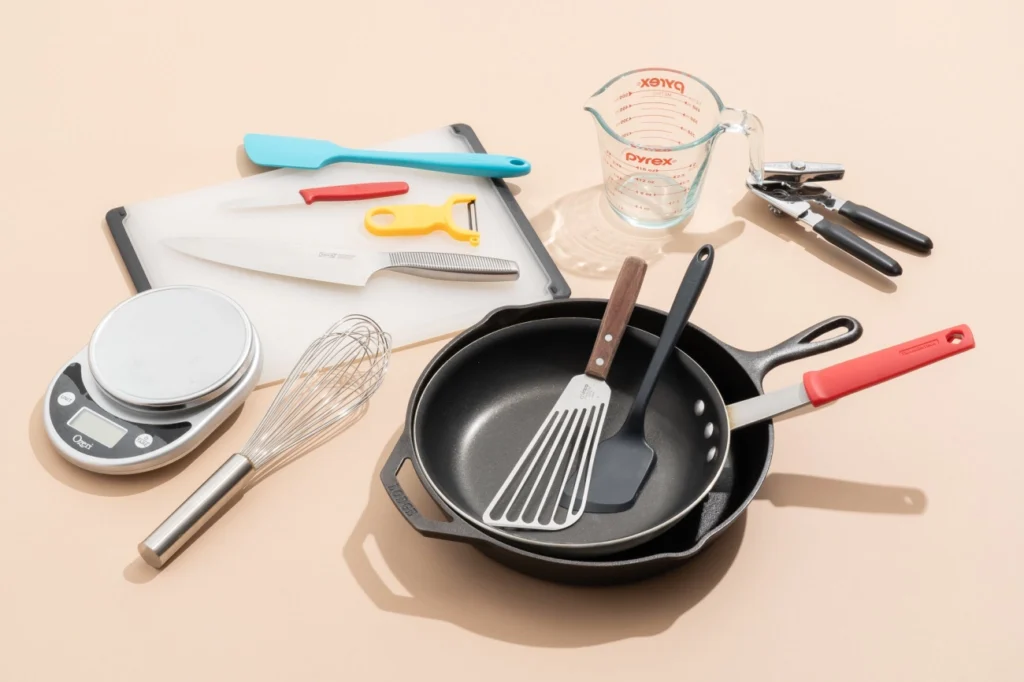
With the right must-have kitchen gadgets, everyday cooking stops feeling like a chore and starts feeling…manageable. Even fun. The secret isn’t more stuff—it’s 10 smart, essential kitchen tools that actually save you time, clear your counters, and make real-world cooking easier in 2026.
In this post, you’ll discover 10 must-have kitchen gadgets that make cooking easier—from a digital instant-read thermometer that ends dry chicken forever to compact tools that turn messy prep into a 5-minute job. Each pick is a practical beginner kitchen essential, a genuine time-saving kitchen gadget, and part of our curated Lalulu lineup designed for busy home cooks, small spaces, and real budgets.
If you’re ready to cook faster, clean less, and finally enjoy your own kitchen, let’s dive in.
Why These Kitchen Gadgets Matter in 2026
Modern home cooking in 2026 looks very different from a decade ago. You’re juggling work, family, and a million notifications, but you still want real food—not just takeout and frozen meals. That’s exactly where 10 must-have kitchen gadgets that make cooking easier earn their place on your counter.
Modern Lifestyles Changed Home Cooking
Most of us cook in short bursts—20 to 40 minutes between meetings, kids’ activities, or late work calls. That means your tools need to:
- Cut prep time way down
- Be easy to clean and store
- Work for multiple recipes and cooking styles
You don’t have time for fussy, single-use gadgets that live in a drawer.
Why Busy Home Cooks Need Time-Saving Tools
If cooking feels exhausting, it’s usually not the recipes—it’s the prep, the cleanup, and the guesswork. Essential kitchen tools for home cooks should:
- Reduce chopping, slicing, and monitoring time
- Remove guesswork (like doneness and timing)
- Let you multitask without ruining dinner
The right time-saving kitchen gadgets turn “I’m too tired to cook” into “I can get this done in 20 minutes.”
Multi-Function, Space-Saving, Budget-Friendly
Most kitchens don’t have unlimited space or budget. That’s why the best space-saving kitchen tools for small kitchens are:
- Multi-purpose: One tool handles several tasks
- Compact: Fits in a drawer, not a separate cabinet
- Affordable: Real upgrades that don’t feel like luxury toys
I prioritize multi-purpose kitchen gadgets that earn their footprint every week, not once a year on holidays.
Healthier, Low-Effort Cooking at Home
Healthy cooking should not mean more work. The right healthy cooking gadgets for home kitchens help you:
- Roast, air fry, and steam instead of deep-fry
- Prep more veggies with less knife time
- Make homemade sauces and dressings in minutes
You get better food with less effort—and you actually use the groceries you buy.
Smart, Eco-Friendly, and Durable vs. Gimmicks
In 2026, there’s a gadget for everything—but most of them you don’t need. I focus on durable home cooking tools that last:
- Built from quality materials, not flimsy plastic
- Easy to repair or replace parts, not the whole unit
- Energy-efficient where it matters (like air fryers and compact appliances)
Smart kitchen appliances for home cooking should make life easier, not more complicated. If an app doesn’t save time or stress, it’s a gimmick.
What “Must-Have” Really Means
When I say must-have kitchen gadgets, I mean tools that:
- You reach for several times a week
- Make at least one part of cooking clearly easier or faster
- Help you cook better, safer, and with more confidence
If a tool doesn’t consistently save you time, space, or stress, it’s not a must-have—it’s clutter. The gadgets I recommend earn their place in real, everyday American kitchens, not just in pretty photos.
10 Must-Have Kitchen Gadgets That Make Cooking Easier
If you cook at home in the U.S.—whether you’re feeding kids, meal-prepping for the week, or just trying to eat out less—these 10 must-have kitchen gadgets will actually make your life easier, not clutter your drawers.
1. Digital Instant-Read Thermometer
A digital instant-read meat thermometer takes the guesswork out of cooking.
- No more dry chicken or undercooked burgers
- Hit safe temps fast, especially for grilling, roasting, and reheating leftovers
- Perfect for steaks, pork, fish, and even bread and casseroles
2. High-Quality Chef’s Knife with Ergonomic Handle
If you buy one tool, make it an ergonomic chef’s knife.
- Speeds up chopping, slicing, and dicing
- Safer and easier for beginners when it’s sharp and well-balanced
- Handles everything from onions and herbs to meat and fruit
3. Mandoline Slicer with Safety Guard
A safe mandoline slicer is a time-saver for produce.
- Paper-thin or uniform slices in seconds
- Great for salads, stir-fries, au gratin potatoes, and meal prep
- Always use the guard or cut-resistant glove—non-negotiable
4. Immersion Blender for Soups and Smoothies
An immersion blender for soups and smoothies keeps things simple.
- Blend right in the pot, mug, or jar
- Ideal for pureed soups, smoothies, baby food, dips, and dressings
- Fewer dishes than a full-size blender
5. Air Fryer with Multi-Function Cooking Modes
A multi-function air fryer is a weeknight hero.
- Crispy fries, wings, and veggies with less oil
- Reheat pizza and leftovers so they taste fresh, not soggy
- Look for bake, roast, dehydrate, and reheat modes to replace multiple appliances
6. Garlic Press or Garlic Twister for Quick Flavor
A garlic press or garlic twister adds big flavor with almost zero effort.
- Faster than mincing by hand
- Perfect for pasta, stir-fries, marinades, and sauces
- Choose a design that’s easy to clean so you actually use it daily
7. Salad Spinner for Crisp, Fresh Greens
A salad spinner for washing greens makes healthy eating easier.
- Dry greens so dressing sticks and salads stay crisp
- Also handy for herbs, berries, and prepped veggies
- Great for families who buy big boxes of spring mix or romaine
8. Microplane Zester/Grater
A microplane zester grater for citrus and cheese punches up flavor fast.
- Zest lemons and limes, grate Parmesan, garlic, ginger, and nutmeg
- Small, cheap, and crazy useful for everyday cooking and baking
- A must for home cooks who like simple food with bright flavor
9. Silicone Tongs and Spatula Set
Silicone tongs and spatulas are everyday workhorses.
- Safe on nonstick and stainless pans—no scratching
- Flip, stir, toss salads, and serve without melting or warping
- Heat-resistant, easy to clean, and perfect for busy home kitchens
10. Compact Food Processor or Mini Chopper
A compact mini food processor is ideal for small U.S. kitchens and busy schedules.
- Quickly chops onions, nuts, herbs, and veggies
- Makes salsa, pesto, dips, and bread crumbs in minutes
- Great for singles, couples, and parents who want fast, consistent prep
These kitchen gadgets that make cooking easier cover 90% of everyday tasks—prep, cooking, and cleanup—without taking over your countertops.
Digital Instant-Read Thermometer
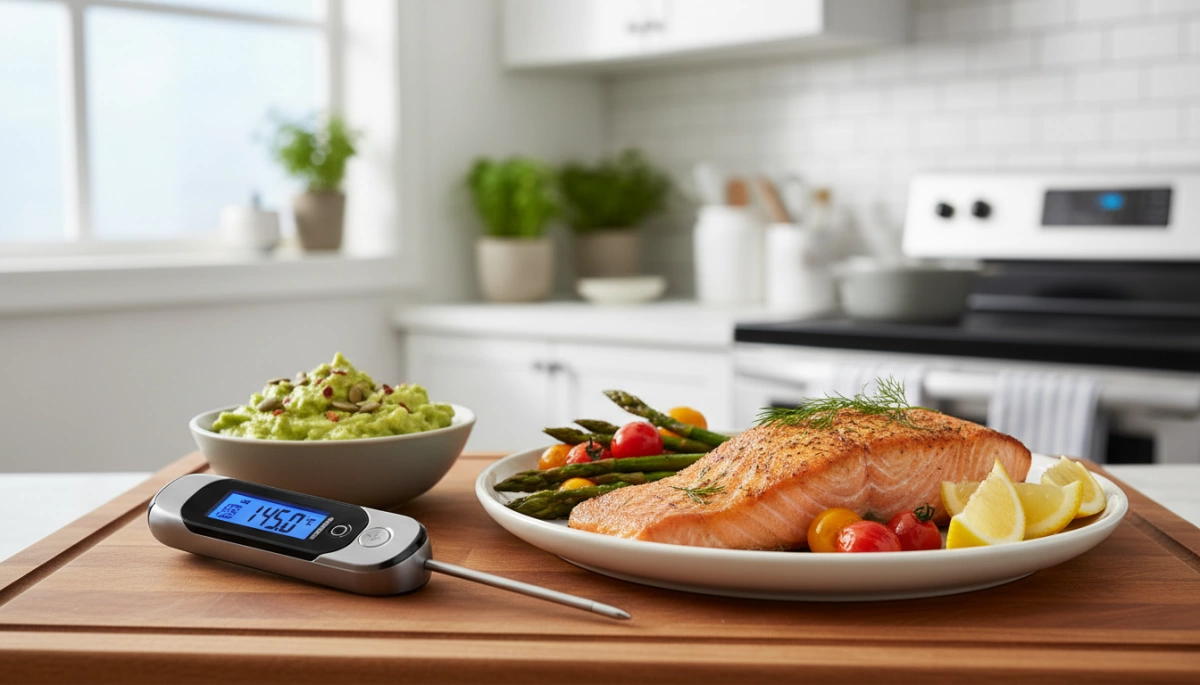
A digital instant-read thermometer is one of the most practical kitchen gadgets that make cooking easier and safer at home.
What a Digital Instant-Read Thermometer Does
It gives you a fast, accurate temperature reading inside your food so you know exactly when it’s done—no guessing.
It’s perfect for:
- Meat and poultry
- Fish and seafood
- Bread and baked goods
- Reheating leftovers
Cooking Problems It Solves
Without a thermometer, most home cooks in the U.S. run into the same issues:
- Overcooked meat – dry chicken, tough steak, rubbery pork
- Undercooked centers – pink chicken, cold in the middle, unsafe leftovers
- Uneven results – one day perfect, next day disappointing
- Food safety worries – not sure if food is actually safe to eat
An instant-read solves all of this by giving you clear numbers instead of gut feeling.
Key Benefits for Everyday Home Cooking
Why it’s one of my top essential kitchen tools for home cooks:
- Consistent results – hit your preferred doneness every time
- Safer food – especially for kids, older adults, and guests
- Less stress – no cutting into meat to “check”
- Saves money – no more throwing out overcooked or questionable food
Real-Life Ways to Use It
Here’s how I actually use a digital instant-read meat thermometer day to day:
| Use Case | How It Helps |
|---|---|
| Chicken breast, thighs | Check 165°F without drying them out |
| Steak & burgers | Hit medium-rare, medium, etc. every time |
| Fish fillets & salmon | Prevent overcooking delicate fish |
| Casseroles & lasagna | Make sure the center is hot and safe |
| Bread & quick breads | Check doneness without guessing or overbaking |
| Leftovers in microwave | Confirm they reached safe temp (165°F) |
How It Makes Cooking Easier and Safer
- No guesswork: Pull food at the right temp instead of using “looks done.”
- Fewer messes: No more cutting and losing juices.
- Better control: Pair it with an air fryer or oven for perfect timing.
- Food safety: Helps avoid undercooked meat and foodborne illness.
Features to Look for in 2026 Models
If you’re buying one of these time-saving kitchen gadgets now, I’d look for:
- Fast response: 2–3 seconds or less
- Waterproof or at least water-resistant (IP65+ is ideal)
- Backlit screen for dim kitchens or grilling at night
- Foldable probe for safe, compact storage
- Magnet or hook so it lives on the fridge or range, not in a drawer
- Auto-off to save battery
- Wide temp range (for deep-frying, candy, and grilling)
Tips for Using and Caring for Your Kitchen Thermometer
Use it right so it stays accurate and ready:
How to use it:
- Insert the probe into the thickest part of the food
- Avoid touching bone, pan, or air pockets
- For thin foods (like burgers), insert from the side, not top
- Give it a couple seconds to stabilize
Care & maintenance:
- Wipe the probe with hot, soapy water after each use
- Don’t submerge the entire unit unless it’s fully waterproof
- Store it with the probe folded or in a sheath
- Replace batteries when the display dims or slows
- If accuracy drifts, calibrate if your model supports it
This one simple tool earns its spot in any beginner kitchen essentials list and is easily one of my 10 must-have kitchen gadgets for U.S. home cooks who want better food with less effort.
High-Quality Chef’s Knife with Ergonomic Handle
A high-quality chef’s knife with an ergonomic handle is the one kitchen gadget I’d never cut from the budget. If you cook at home in the U.S.—whether it’s weeknight pasta, meal prep bowls, or Sunday dinner—this is the tool that quietly does 80% of the work.
Why a Chef’s Knife Is the #1 Essential Kitchen Tool
A good chef’s knife replaces a drawer full of random gadgets. You can:
- Chop veggies for soups, stews, and sheet-pan dinners
- Slice meat, poultry, and fish cleanly
- Mince garlic, herbs, and aromatics
- Dice onions, peppers, potatoes for fast meal prep
One tool, daily use. That’s what “must-have kitchen gadget” really means.
How a Sharp, Balanced Knife Speeds Up Meal Prep
With a sharp, balanced chef’s knife, you:
- Cut with less force, so your hands and wrists don’t get tired
- Move faster and more accurately, which is huge for busy weeknights
- Get even cuts, so food cooks evenly and on time
Dull knives slow you down and make cooking feel like a chore. A sharp blade makes prep actually feel easy.
Common Knife Mistakes That Slow You Down
Most home cooks in the U.S. run into the same problems:
- Using tiny paring knives for everything
- Cutting on hard surfaces (glass, granite, plates) that kill the edge
- Gripping the handle at the very end with no control
- Sawing through food instead of using smooth, confident strokes
Fixing these habits instantly makes your kitchen gadgets that make cooking easier actually pay off.
Key Features to Look For in a Chef’s Knife (2026 Guide)
When I choose a must-have chef’s knife for home cooks, I focus on:
- Blade material:
- High-carbon stainless steel for sharpness + rust resistance
- For most U.S. home kitchens, stainless is the sweet spot
- Handle comfort:
- Ergonomic shape that fits your hand
- Non-slip grip, even when wet
- Weight & balance:
- Not too heavy, not too light—should feel stable, not clumsy
- Balance point near the bolster (where blade meets handle)
If it doesn’t feel good in your hand in the first 10 seconds, skip it.
Everyday Tasks Made Easier
With one ergonomic chef’s knife, you can handle:
- Chopping: onions, carrots, celery, potatoes
- Slicing: chicken breasts, steak, pork, roasted veggies
- Mincing: garlic, ginger, herbs for fast flavor
- Dicing: peppers, tomatoes, cucumbers for salads and salsas
It’s the core piece in any beginner kitchen essentials list or time-saving kitchen tools setup.
Beginner Tips for Safer, Faster Knife Skills
A few simple habits make a huge difference:
- Use a stable cutting board (wood or plastic, never glass)
- Hold the knife with a pinch grip: thumb and index finger on the blade, not just the handle
- Curl your fingers on the other hand (the “claw”) to protect your fingertips
- Let the knife do the work—smooth rocking motion, not hacking
Safer grip = fewer cuts and faster prep.
Basic Knife Care & Sharpening for Home Cooks
To keep your chef’s knife in top shape:
- Always cut on wood or plastic boards
- Hand wash and dry right away—no dishwasher
- Use a honing steel weekly to keep the edge aligned
- Get it professionally sharpened a few times a year, or use a simple home sharpener if you’re comfortable with it
- Store it in a knife block, on a magnetic strip, or in a sheath (not loose in a drawer)
Take care of this one tool, and it will outlast most trendy kitchen gadgets and keep your meal prep fast, safe, and stress-free.
Mandoline Slicer With Safety Guard
A mandoline slicer with safety guard is one of those kitchen gadgets that quietly does the heavy lifting. It’s a flat board with an adjustable blade that lets you slide veggies and fruit across to get perfectly even slices in seconds.
What a mandoline slicer does (and why it’s faster than a knife)
Instead of slow, uneven knife cuts, a mandoline gives you:
- Uniform slices for potatoes, cucumbers, onions, apples, and more
- Super-thin cuts you’ll never hit consistently with a knife
- Fast batch prep for weeknight meals and meal prep
You just set the thickness, run the food along the surface, and let the blade do the work.
Best ways to use a mandoline slicer
This is one of the best time-saving kitchen gadgets for:
- Salads: Shaved fennel, radish, cucumbers, cabbage slaw
- Stir-fries: Even-cut veggies that cook at the same speed
- Gratins & casseroles: Thin potatoes, zucchini, or sweet potatoes
- Meal prep: Big batches of sliced veggies for the week
If you like clean, restaurant-style slices, this is the tool.
Safety features that actually matter
Mandolines can be dangerous if you cheap out or skip the guard. For busy home cooks and beginners, I always recommend:
- Sturdy hand guard or food holder (non-negotiable)
- Nonslip base or fold-out legs so it doesn’t slide on the counter
- Cut-resistant gloves for extra protection (especially for smaller pieces)
- Secure blade lock when not in use
If it doesn’t feel stable and safe, skip it.
Thickness and blade options to look for
For most home cooks in the U.S., you don’t need a pro model. Look for:
- Adjustable thickness dial (from paper-thin to about ¼ inch)
- Straight blade for most slicing
- Optional julienne blades for matchsticks (great for fries or salad toppings)
- Stainless steel or high-quality coated blades for durability
Aim for a simple, durable, multi-purpose mandoline, not a cluttered gimmick.
How it saves real time vs. knife chopping
If you’re doing:
- A big salad
- A pan of scalloped potatoes
- Stir-fry for the family
A mandoline will cut your prep time from 20 minutes to 5. It’s one of the best quick prep kitchen accessories if you cook for a family, meal prep on Sundays, or just hate chopping.
Cleaning and storage tips
To keep this kitchen gadget that makes cooking easier in your regular rotation:
- Rinse immediately after use so food doesn’t dry on the blade
- Use a brush or sponge—never your bare fingers on the blade
- Dry fully to avoid rust, especially on cheaper models
- Store with the blade locked and guard attached or nearby
- Keep it in a spot you can grab quickly (not buried in a back cabinet)
Used right, a safe mandoline slicer with guard is a compact, space-saving tool that gives you pro-level slices without pro-level skills.
Immersion Blender for Quick Blending
An immersion blender (stick blender) is one of the 10 must-have kitchen gadgets that make cooking easier if you cook at home even a few times a week.
What an immersion blender does
You use it to blend right in the pot, bowl, or cup:
- Purees hot soups without moving them to a blender
- Blends smoothies in a tumbler
- Emulsifies sauces and dressings
- Breaks down soft veggies, beans, and fruit
It’s basically a handheld blender for fast, low-mess blending.
Why it’s a game changer
For busy home cooks in the US, it’s huge for:
- Soups: Smooth, creamy texture in minutes
- Sauces: Silky marinara, cheese sauce, or pan sauces
- Smoothies: Quick breakfast or post-gym drink
- Weeknight cooking: Less cleanup than a full blender
You don’t have to juggle hot liquids in a countertop blender, which is safer and faster.
Real-world uses at home
I use (and recommend using) an immersion blender for:
- Pureed soups: Tomato, butternut squash, broccoli cheddar
- Baby food: Puree cooked veggies, fruits, and grains
- Dressings & dips: Ranch, Caesar, hummus, bean dips
- Quick sauces: Salsa, pesto, enchilada sauce
Perfect for small kitchens
If you’re in an apartment, condo, or smaller house:
- Takes very little storage space
- Replaces some blender and food processor tasks
- Cleans up in a minute, so you actually use it daily
It’s one of the best space-saving kitchen tools for small kitchens.
Key features to look for (2026 buying guide)
When you shop, focus on:
| Feature | What to look for (US home use) |
|---|---|
| Power | 250–500 watts for soups, smoothies, dips |
| Speed settings | At least 2 speeds; variable dial is even better |
| Attachments | Whisk, mini chopper cup, blending beaker are all useful |
| Build quality | Metal blending shaft, sturdy motor, solid feel |
| Comfort | Non-slip grip, not too heavy, easy to hold with one hand |
| Easy cleanup | Detachable shaft, dishwasher-safe parts |
These details are what separate durable home cooking tools from cheap gadgets.
Safe blending in the pot or bowl
To blend safely:
- Keep the head fully submerged before turning it on
- Tilt the pot slightly and move the blender slowly around
- Don’t lift while running or it will splatter
- Let soups cool slightly before pureeing large batches
- Keep cords clear of burners and hot surfaces
Easy cleaning tips
To keep your stick blender in rotation:
- Unplug, detach the blending shaft, rinse right away
- For stuck-on food:
- Fill a cup with warm soapy water
- Run the blender in the cup for a few seconds
- Let it dry fully before storing
- Wipe the motor body with a damp cloth only (no soaking)
For essential kitchen tools for home cooks, an immersion blender earns its spot: it’s fast, compact, affordable, and makes daily cooking noticeably easier.
Air Fryer with Multi-Function Settings
A multi-function air fryer is easily one of the best kitchen gadgets that make cooking easier right now. It uses powerful hot air circulation to crisp food like a deep fryer, but with way less oil and a lot less mess.
How an air fryer works (and why people love it)
An air fryer is basically:
- A compact convection oven with a strong fan
- High heat + fast-moving air = crispy outside, tender inside
- Little to no preheat time, especially vs. a full-size oven
Home cooks in the U.S. love air fryers because:
- They cut down on oil and splatter
- They heat up fast for weeknight dinners
- They’re easy enough for teens, college kids, and busy parents
Health and convenience benefits
For most families, an air fryer with multi-function settings hits the sweet spot of healthier and faster:
- Less oil: Great for fries, wings, and snacks without deep-frying
- Fewer takeout orders: Faster than waiting for delivery
- Portion-friendly: Ideal for 1–4 people without firing up a big oven
- Hands-off cooking: Toss, set the time, and walk away
Everyday air fryer recipes made easier
You can cover a lot of everyday meals with this one tool:
- Fries & tots: Frozen or fresh, crisp in 10–20 minutes
- Chicken: Nuggets, tenders, thighs, wings, drumsticks
- Veggies: Broccoli, Brussels sprouts, carrots, zucchini, cauliflower
- Reheats: Pizza, fried chicken, leftovers (way better than the microwave)
- Quick snacks: Mozzarella sticks, egg rolls, taquitos, garlic bread
Key multi-function modes to look for
When I pick models for my own shop, I focus on versatile cooking gadgets that cut down extra appliances. For 2026, I’d look for:
- Air fry / crisp – the main setting you’ll use daily
- Bake – cookies, desserts, casseroles, small sheet pan meals
- Roast – whole chicken, veggies, pork tenderloin, salmon
- Reheat – leftovers that stay crisp, not soggy
- Dehydrate – dried fruit, veggie chips, jerky, kids’ snacks
Some models also add:
- Broil / grill – extra browning on top
- Toast – to replace a toaster in small apartments
How an air fryer saves time on weeknights
For U.S. home cooks juggling work, school runs, and sports, a multi-function air fryer is a big time-saver:
- Short preheat: Often 2–5 minutes vs. 15–20 for an oven
- Faster cook times: Fans move hot air directly around the food
- Less babysitting: Toss food halfway through, that’s it
- One-basket meals: Chicken + veggies in the same basket or rack
It’s one of the top time-saving kitchen gadgets for weeknight meals.
Choosing the right air fryer size
Size matters more than brand for most people. Quick guide:
-
2–3 qt:
- Best for: Singles, dorms, RVs, very small kitchens
- Cooks: 1–2 servings at a time
-
4–5 qt (sweet spot):
- Best for: 2–3 people, small families, apartments
- Cooks: 1 bag of frozen fries or 4–6 chicken thighs
-
6–8+ qt or dual basket:
- Best for: Families, meal prep, hosting
- Cooks: 2 different foods at once or a whole chicken
If you’re tight on counter space, look for:
- Vertical, compact designs
- Air fryer toaster ovens that replace a toaster + small oven
Tips for crispier results and easier cleanup
To get the most from this must-have kitchen gadget, a few habits help:
For better, crispier food:
- Don’t overcrowd the basket – cook in batches if needed
- Pat foods dry before cooking (especially potatoes and chicken)
- Lightly coat with oil or use a spray for even browning
- Shake the basket or flip halfway through
- Preheat when you want extra crisp (like restaurant-style fries)
For easier cleanup:
- Use parchment liners made for air fryers (with holes)
- Soak the basket in warm, soapy water right after it cools
- Avoid metal utensils that scratch nonstick surfaces
- Wipe the inside walls and heating element area weekly
A multi-function air fryer earns its spot on any beginner kitchen essentials list because it replaces several appliances, cooks healthier versions of comfort foods, and actually makes weeknight cooking easier instead of more complicated.
Garlic Press or Garlic Twister: Fast Flavor, Zero Fuss
Why this garlic gadget is a high-impact essential
If you cook at home even once or twice a week, a garlic press or garlic twister is one of the highest-impact, low-cost kitchen gadgets that make cooking easier. You get:
- Big flavor in seconds
- No sticky knife, no tiny garlic pieces everywhere
- Consistent results every time
What it solves vs. chopping by hand
Hand-chopping garlic is:
- Slower, especially for 3–4 cloves
- Messy (sticky garlic on your fingers, board, and knife)
- Inconsistent (uneven pieces mean uneven flavor and cooking)
A garlic press or garlic twister fixes that:
- Faster: press/twist and you’re done
- Finer: releases more flavor and aroma
- Cleaner: less cleanup, less smell on your hands
Meals that benefit from quick garlic
This small time-saving kitchen tool pays off in everyday U.S. home cooking:
- Pasta: garlic butter, marinara, aglio e olio
- Stir-fries: garlic with soy sauce, veggies, shrimp, beef
- Sauces & dips: mayo-garlic spread, aioli, ranch with a kick
- Sheet-pan dinners: garlic + oil mix brushed over meat and veggies
- Air fryer meals: quick garlic marinades for chicken or salmon
Press vs. Twister: Which fits you?
| Tool | Best For | Pros | Cons |
|---|---|---|---|
| Garlic Press | Super quick, 1–3 cloves | Fast, fine mince, goes straight in | Some models harder to clean |
| Garlic Twister | 2–6 cloves, garlic + ginger mix | More control, easier to clean | Takes a few extra twists |
Choose a press if:
- You want max speed and don’t like chopping at all.
- You mostly cook for 1–4 people and use 1–3 cloves at a time.
Choose a twister if:
- You like mixing garlic + herbs/ginger/chili together.
- You want something dishwasher-safe and very easy to rinse.
Features that actually matter in 2026
Look for these must-have kitchen gadget features:
- Stainless steel or heavy-duty plastic (no flimsy hinges)
- Dishwasher-safe parts
- Wide chamber that fits unpeeled cloves (for some presses)
- Built-in cleaner or scraper to push garlic out of the holes
- Good grip: non-slip handle or textured body for wet hands
How it boosts flavor with zero effort
With a press or twister you:
- Use more fresh garlic because it’s easy
- Get finer pieces, which means:
- Stronger, more even garlic flavor
- Faster cooking in oil or butter
- Level up basic meals (boxed pasta, jarred sauce, frozen veggies) with fresh, crushed garlic in under 10 seconds
Storage and care tips so you actually use it
To turn this into a real everyday kitchen must-have, keep it:
- Within reach: in a top drawer near your stove or cutting board
- Always clean:
- Rinse immediately after use so garlic doesn’t dry and stick
- Use the integrated cleaner or a small brush for the holes
- Toss in the dishwasher if the model allows
- Ready to grab: store it with your most-used tools (tongs, spatula, peeler) so you never forget it
This small, affordable kitchen gadget for busy home cooks packs way more punch than its size. If you’re building a beginner kitchen essentials list on a budget, a good garlic press or garlic twister deserves a top spot.
Salad Spinner for Fresh Greens
What a Salad Spinner Does (and Why It Matters)
A salad spinner for fresh greens quickly washes and dries lettuce, spinach, and herbs so they’re crisp, not soggy. You just rinse, spin, and your greens are ready to eat or store.
Why it matters:
- Dry greens grab dressing instead of watering it down
- Better texture: crisp salads, not limp and slimy
- Faster prep vs. paper towel pat-downs that waste time and money
How Wet Greens Ruin Salads
Wet greens are one of the biggest salad killers at home:
- Dressing slides off → bland flavor
- Water thins sauces → oily puddle at the bottom of the bowl
- Soggy texture → no crunch, no structure
- Stored wet → greens spoil way faster in the fridge
A kitchen salad spinner fixes all of this in 20–30 seconds.
Benefits Beyond Salad: Herbs, Veggies, Berries
This isn’t a single-use gadget. A good salad spinner also works for:
- Herbs: parsley, cilantro, basil (less bruising, better flavor)
- Veggies: shredded cabbage, broccoli florets, snap peas
- Berries: strawberries, blueberries, raspberries (gentle spin, then air dry)
It’s one of my favorite easy meal prep gadgets because it earns its space.
How to Choose the Right Size and Design
For most U.S. kitchens and families, here’s what I recommend:
| Household Size | Bowl Size (Approx.) | Notes |
|---|---|---|
| 1–2 people | 2.5–3 qt | Best for small apartments, limited storage |
| 3–4 people | 4–5 qt | Good all-around size |
| 4+ or meal prep fans | 5–6 qt | Ideal for batch washing and big salads |
Design features to look for in a 2026 salad spinner:
- One-hand pump or pull cord for quick spinning
- Nonslip base so it doesn’t walk across the counter
- Clear bowl you can reuse as a serving bowl
- BPA-free, durable plastic that can handle daily use
How a Salad Spinner Cuts Prep Time
A salad spinner is a must-have kitchen gadget if you’re trying to eat healthier on busy weeknights:
- Wash a whole head of lettuce at once
- Spin, store, and you’ve got ready-to-eat greens for 2–3 days
- No more last-minute washing leaf by leaf at dinner
- Makes salads, grain bowls, and lunch boxes way faster
For busy parents and small households, it turns “salad” from a chore into a 2-minute task.
Tips to Keep Greens Fresher Longer
Use your salad spinner as part of your weekly prep:
- Spin greens very dry, then:
- Store right in the spinner in the fridge, or
- Transfer to a container with a dry paper towel on top
- Don’t pack the leaves too tight; airflow helps them last
- Spin herbs gently and store loosely wrapped in a paper towel in a container
Dry greens = less rot, less waste, more healthy meals at home.
Easy Cleaning and Storage Ideas
To keep this must-have kitchen gadget from becoming clutter:
- Choose a model with a removable lid that fully comes apart
- Most good spinners have top-rack dishwasher safe parts
- Dry completely before stacking to avoid mildew
- Use the bowl as:
- A salad serving bowl
- A produce soaking bowl
- A general mixing bowl in a pinch
That way, your salad spinner for fresh greens isn’t just another big plastic thing in the cabinet—it’s a core part of your everyday kitchen must-haves.
Microplane Zester/Grater: Small Tool, Big Flavor
A microplane zester/grater is one of those must-have kitchen gadgets that instantly makes food taste better with almost no effort.
What a Microplane Zester/Grater Is Used For
You use it to create super-fine shavings of:
- Citrus zest (lemon, lime, orange)
- Hard cheese (Parmesan, Pecorino)
- Garlic and ginger
- Nutmeg and other whole spices
- Chocolate for desserts or drinks
It’s all about fine texture + strong flavor without big chunks.
How It Upgrades Flavor with Minimal Effort
A good microplane:
- Pulls out max flavor from citrus and spices
- Adds restaurant-level finishing touches to pasta, salads, steaks, and desserts
- Saves time vs. mincing tiny pieces with a knife
- Helps you use up ingredients you already have (like that bag of lemons in the fridge)
Best Uses for a Microplane Zester/Grater
| Ingredient | What It Does Best | Where I Use It |
|---|---|---|
| Citrus zest | Fine, fluffy zest, no bitter white pith | Cakes, marinades, vinaigrettes, cocktails |
| Hard cheese | Light, airy cheese that melts fast | Pasta, risotto, garlic bread |
| Garlic/ginger | Paste-like texture, strong flavor | Stir-fries, sauces, dressings |
| Nutmeg/spices | Fresh, powerful aroma | Lattes, holiday baking, custards |
| Chocolate | Fine curls or dust | Hot cocoa, cakes, brownies, tiramisu |
Zester vs. Box Grater vs. Microplane
-
Zester (classic channel zester)
- Long strips of citrus peel
- More for garnishes, less for mixing into food
-
Box grater
- Multiple sides, bigger shreds
- Great for big jobs (cheese, veggies), not for super-fine zest
-
Microplane zester/grater
- Razor-sharp, ultra-fine grate
- Best for flavor “dust” and finishing touches
- Easier to control and clean than a full box grater
For everyday home cooks in the U.S., if you only pick one, I’d go with the microplane.
Why It’s Great for Baking, Cocktails, and Everyday Cooking
- Baking:
- Lemon zest in cakes, muffins, cookies
- Fresh nutmeg in pies and custards
- Cocktails:
- Citrus zest over margaritas, martinis, spritzes
- Grated chocolate or spices over dessert drinks
- Everyday cooking:
- Parmesan over pasta, soups, and Caesar salads
- Garlic and ginger into sauces, dressings, marinades
This is one of the best time-saving kitchen gadgets for adding flavor without extra steps.
Key Features to Look For in 2026
When I source or recommend a microplane zester/grater, I focus on:
- Handle comfort
- Non-slip, fits well in your hand
- Good for both small and large hands
- Sharpness
- High-quality stainless steel
- Laser-cut teeth that actually bite into food
- Durability
- Rust-resistant
- Doesn’t dull after a few months
- Protective cover
- For safe storage in drawers
- Helps keep the blade from getting damaged
Safe Grating Techniques & Quick Cleaning Tips
How to use it safely:
- Hold the handle firmly and anchor the opposite end on a cutting board or bowl
- Grate away from your fingers, not toward them
- For small pieces (like the end of a garlic clove), stop early or use a cut-resistant glove
- For citrus, rotate the fruit so you only remove the colored peel, not the bitter white pith
Cleaning tips:
- Rinse immediately after using so food doesn’t dry in the teeth
- Use a soft brush or the back of a sponge to clean from back to front (opposite the blades)
- Top-rack dishwasher-safe is nice, but hand-washing keeps it sharp longer
- Always dry fully and store with the protective cover on
A solid microplane zester/grater is tiny, affordable, and honestly one of the most impactful essential kitchen tools you can add if you want better flavor with less work.
Silicone Tongs and Spatula Set: Everyday Kitchen Essentials
A good silicone tongs and spatula set is one of those quiet, must-have kitchen gadgets that makes cooking easier every single day. I always tell home cooks in the US: if you’re upgrading just a few tools, start here.
Why Silicone Tongs and Spatulas Are Everyday Essentials
These are the must-have cooking utensils I reach for constantly because they’re:
- All-purpose: flip, stir, scrape, serve, and toss with one simple set
- Gentle on cookware: safe for nonstick, stainless, cast iron, and enamel
- Time-saving: no switching tools for every single task
For busy weeknight cooking, they’re basically an extension of your hands.
How Silicone Protects Nonstick and Stainless Pans
Silicone is a big deal if you want your pans to last:
- Won’t scratch nonstick coatings, so your pans don’t peel or flake
- Soft edges prevent scraping and metal-on-metal noise on stainless
- Heat-resistant silicone doesn’t melt or warp like cheap plastic
If you’ve invested in good cookware, this is cheap insurance.
Common Everyday Uses
This is where silicone tongs and spatulas earn their place as essential kitchen tools for home cooks:
- Flipping: chicken, fish, burgers, pancakes, eggs
- Stirring: stir-fries, pasta, sauces, one-pan meals
- Serving: salads, roasted veggies, grilled meats, pasta dishes
- Tossing salads: silicone-coated tongs are perfect for greens and dressing
- Scraping: spatulas clean out bowls, jars, and pans so you waste less
They’re the definition of versatile cooking gadgets for everyday use.
Key Features to Look For (Heat, Grip, Build)
When I pick a silicone tongs and spatula set for US customers, I look for:
- High heat resistance: at least 400–450°F, 500°F is even better
- Strong grip: non-slip handles + scalloped tong tips for secure grabbing
- Solid build: stainless steel core inside the silicone for strength
- One-piece or sealed design: fewer gaps for food and grease to get stuck
- Comfortable handle: especially if you cook for family and do big batches
These are low-maintenance cooking tools that should feel sturdy, not flimsy.
How This Simple Set Speeds Up Cooking
A good set of silicone tongs and spatulas cuts down on fuss:
- You use the same tools from stove to table
- You flip, stir, and serve with one or two utensils, not five
- You move faster because you’re not worrying about scratching pans
They’re ideal time-saving kitchen tools for weeknight meals and busy parents.
Choosing the Right Sizes and Shapes
For most US kitchens, I recommend:
- 9–12 inch tongs:
- Shorter (9″) for everyday stovetop cooking
- Longer (12″) if you grill or cook with deeper pots
- At least two spatulas:
- Wide, flexible spatula for scrambling eggs and sautéing
- Spoon/spatula hybrid (“spoonula”) for stirring and serving
- Optional thin scraper for jars and baking
Pick shapes that match what you actually cook: eggs and grilled cheese? Go wider. Sauces and stir-fries? Spoon-style spatula is key.
Cleaning and Storage Tips
To keep your silicone cooking utensils in rotation for years:
- Dishwasher-safe is a must for busy homes
- Rinse right after cooking oily or tomato-based dishes
- Avoid sharp knives on silicone edges
- Use hanging holes or a utensil crock to keep them within reach
- Don’t store tongs locked closed while still wet (they can trap moisture)
If you’re building a beginner kitchen essentials list or upgrading on a budget, a solid silicone tongs and spatula set is one of the most affordable, high-impact upgrades you can make.
Compact Food Processor or Mini Chopper
A compact food processor or mini chopper is one of the best time-saving kitchen gadgets you can own if you cook at home a lot but don’t want a big, heavy machine on your counter.
What a Mini Food Processor Handles vs. Full-Size
A mini food processor (2–5 cups) is great for:
- Chopping onions, garlic, herbs, nuts
- Making salsa, pesto, sauces, and dressings
- Grinding crumbs (crackers, cookies, panko)
- Small batches of dips (hummus, bean dip, spinach dip)
A full-size food processor is better for:
- Large doughs (pizza, pie, bread)
- Big-batch slaws, shredded cheese, sliced veggies
- Meal prep for big families or parties
For most U.S. home cooks, a mini chopper covers 80% of daily prep.
How It Speeds Up Chopping, Slicing, and Pureeing
This is one of those kitchen gadgets that make cooking easier instantly:
- Chopping: Onions, carrots, celery, and peppers in seconds
- Pureeing: Smooth dips, baby food, and sauces without effort
- Slicing/rough chopping: Pulse for chunky salsa or toppings
Hit a few pulses and you skip 10–15 minutes of knife work on busy weeknights.
Everyday Uses (Real Home Cooking)
I use a compact mini food processor all the time for:
- Salsa & pico de gallo – tomatoes, onions, cilantro, jalapeño
- Pesto – basil, garlic, nuts, Parmesan, olive oil
- Onions & garlic – quick prep for pasta, chili, stir-fries
- Nuts – for toppings, baking, or homemade nut crumbs
- Dips & spreads – hummus, bean dip, ranch, aioli
- Crumbs – graham cracker crusts, breadcrumbs, cookie crumbs
For small households or couples, it’s the perfect size.
Best For Small Kitchens and Meal Prep
For small apartments, dorms, or limited-counter kitchens, a mini chopper is one of the top space-saving kitchen tools:
- Fits in a cabinet or deep drawer
- Light enough to grab and use daily
- Ideal for meal prep for 1–3 people
- Less hassle than dragging out a big full-size processor
If you’re a busy parent or working full-time, this is a low-effort way to cut prep time.
Key Features to Look For (Capacity, Power, Blades, Pulse)
When you’re buying a compact food processor in 2026, focus on:
- Capacity: 2–3 cups for singles; 3–5 cups for small families
- Power: At least 200–400 watts so it doesn’t struggle with nuts
- Blades: Stainless steel, sharp, removable, and replaceable
- Pulse control: One-touch pulse gives better texture control
- Bowl material: BPA-free, sturdy, and stain-resistant
- Lid & safety lock: Won’t run unless locked in place
These basics matter more than extra gimmicky functions.
When to Use Mini Chopper vs. Knife vs. Full Processor
Use a mini chopper when:
- You’re prepping small amounts (1–3 onions, a small batch of dip)
- You want consistent small pieces without perfect knife skills
- You’re making sauces, dressings, or dips for the week
Use a knife when:
- You care about perfect cuts for presentation
- You’re only chopping 1 clove of garlic or a small herb handful
- You don’t want to clean an appliance for a tiny job
Use a full-size food processor when:
- You’re cooking for a crowd
- Shredding blocks of cheese or slicing pounds of veggies
- Making doughs or large-batch meal prep
Cleaning, Safety, and Storage Tips
To keep this essential kitchen tool in your regular rotation:
- Clean right away: Rinse and wash the bowl, lid, and blade before food dries
- Dishwasher-safe parts: Top rack only if the brand allows it
- Handle blades carefully: They’re sharp; lift by the center, not the edge
- Avoid overfilling: Follow the max line so the motor doesn’t burn out
- Wrap the cord: Use a simple cord wrap or band and store in a cabinet or drawer
- Keep it accessible: If it’s buried, you won’t use it—store it where you can grab it fast
For most home cooks in the U.S., a compact mini food processor is one of the best affordable kitchen upgrades you can make for faster, low-stress cooking.
How to Choose the Right Kitchen Gadgets for You
Start with your real cooking habits
Before buying any “must-have kitchen gadgets,” look at how you actually cook right now:
- How many nights a week do you cook at home?
- Do you mostly do quick weeknight dinners, meal prep on Sundays, or big family gatherings?
- What slows you down the most: chopping, cleanup, baking, or cooking meat just right?
Buy gadgets that fix your real pain points first. If you hate chopping, a compact food processor makes more sense than a fancy baking tool.
Consider kitchen size, storage, and counter space
In most U.S. homes and apartments, space is limited. Match gadgets to your kitchen, not your wishlist.
| Kitchen Size / Setup | Best Kitchen Gadgets That Make Cooking Easier |
|---|---|
| Studio / Small apartment | Mini food processor, immersion blender, silicone tongs & spatula set |
| Average family kitchen | Air fryer, digital instant-read thermometer, chef’s knife, salad spinner |
| Large kitchen | Full-size food processor, multiple cutting boards, extra pans & tools |
- Avoid gadgets that will live in a back cabinet.
- If it can’t fit in a drawer or small shelf, it needs to earn that countertop spot.
Prioritize multi-purpose over single-use
When in doubt, choose multi-purpose, space-saving kitchen tools:
- Good picks: air fryer with bake/roast/reheat modes, immersion blender with attachments, mini chopper, silicone tongs.
- Skip (at first): avocado slicer, banana cutter, single-egg gadget, ultra-specific peelers.
Multi-purpose gadgets = better value, less clutter, more everyday use.
Set a realistic budget for essential kitchen tools
You don’t need a huge budget to build out essential kitchen tools for home cooks.
Here’s a simple budgeting guideline (USD):
| Budget Level | What to Focus On |
|---|---|
| $50–$100 | Chef’s knife, thermometer, silicone spatula/tongs |
| $100–$200 | Add mini food processor or immersion blender, salad spinner |
| $200–$300+ | Add a solid air fryer or upgrade to higher-end durable gadgets |
Spend more on tools you’ll use daily (knife, pan, spatula). Go cheaper on “nice-to-have” extras.
Beginner-friendly vs. advanced gadgets
If you’re newer to cooking, keep your gadgets simple and forgiving:
Beginner-friendly:
- Digital instant-read thermometer
- Ergonomic chef’s knife
- Silicone spatulas and tongs
- Salad spinner
- Air fryer with easy presets
More advanced / “once you’re comfortable”:
- Mandoline slicer (with safety guard and gloves)
- High-powered immersion blender with multiple attachments
- Larger food processor with more blades
Start with tools that help you avoid mistakes (burned food, uneven cuts, overcooked meat).
Which 3–4 must-have kitchen gadgets to buy first
If you’re starting from almost zero, I’d start with:
- High-quality chef’s knife – speeds up every meal.
- Digital instant-read thermometer – solves overcooked/undercooked meat instantly.
- Silicone tongs + spatula set – protects your pans and simplifies everyday cooking.
- Air fryer or compact food processor – pick the one that matches your lifestyle:
- Busy weeknights / kids? → Air fryer
- You hate chopping? → Mini food processor
These four cover 90% of everyday cooking needs for most U.S. households.
Build your kitchen tool collection over time
Treat your kitchen gadgets like a long-term upgrade, not a one-time shopping spree:
- Phase 1: Core tools (knife, thermometer, tongs, spatula).
- Phase 2: Time-savers (air fryer, mini chopper, salad spinner).
- Phase 3: “Level up” tools (immersion blender, microplane, mandoline).
A simple rule:
If you don’t use a tool at least once a week after 2–3 months, don’t buy more like it.
This approach keeps your kitchen full of real everyday kitchen must-haves, not random gadget clutter.
Tips to Get the Most from Your Kitchen Gadgets
Simple daily habits that make gadgets easier to use
To actually use your 10 must-have kitchen gadgets, you need them ready to go:
- Keep go-to tools out, not buried: store your chef’s knife, silicone tongs, spatula, and digital instant-read thermometer in your main “working zone.”
- Reset the kitchen after dinner: wash, dry, and re-assemble your air fryer basket, immersion blender, and mini food processor so they’re ready for the next meal.
- Plug-and-play setup: keep small appliances near outlets so you’re not hunting for cords every night.
Smart storage ideas so tools are always within reach
For small U.S. kitchens and apartments, smart storage is everything:
- Use a utensil crock for everyday tools: tongs, spatulas, microplane zester, garlic press.
- Store by “job,” not by type:
- Prep zone: mandoline slicer, salad spinner, mini chopper
- Cooking zone: tongs, spatulas, thermometer
- Vertical space wins: use wall rails, magnetic strips, or inside-cabinet hooks for easy grab-and-go access.
Basic cleaning and maintenance routines
Quick cleaning keeps your essential kitchen tools and gadgets working longer:
- Wash right after use so food doesn’t cake on (especially garlic press, mandoline, microplane).
- Hand wash blades (chef’s knife, mandoline, microplane) to protect sharpness.
- Wipe electronics only: never soak your digital instant-read thermometer or immersion blender motor.
- De-grease air fryer regularly to avoid smoke and weird smells.
Pairing gadgets for faster cooking
Pairing a few kitchen gadgets together can cut weeknight cooking time in half:
- Thermometer + air fryer: fast, safe chicken, pork, and fish without guesswork.
- Mini food processor + garlic press: quick sauces, dips, and marinades with big flavor.
- Mandoline + salad spinner: thin, even veggies plus dry, crisp greens for salads and bowls.
- Immersion blender + microplane zester: smooth soups and sauces with bright citrus or cheese on top.
Beginner hacks to save time with each tool
Use these simple shortcuts:
- Pre-chop in batches with the mini food processor and freeze portions.
- Use the garlic press unpeeled to avoid sticky fingers.
- Blend in the pot with your immersion blender instead of dirtying a big blender.
- Use the salad spinner as a colander + storage bowl to cut down on extra dishes.
How to avoid gadget clutter and regret buys
To keep your kitchen from turning into a gadget graveyard:
- Follow the “once a week” rule: if you don’t use it at least once a week (or once a month for specialty tools), question if it deserves space.
- Skip single-use gimmicks (like avocado-only slicers) and stick to multi-purpose kitchen gadgets.
- Test with what you have first; if you keep wishing a tool did X, that’s a sign it’s worth buying.
When to repair, upgrade, or replace kitchen gadgets
Know when to hold on and when to move on:
- Repair or refresh when:
- Knives just need sharpening
- Air fryer only needs a new basket or tray
- Silicone spatulas are stained but not cracked
- Upgrade when:
- Your air fryer is too small for your family
- Your mini chopper can’t handle tougher jobs
- Your thermometer is slow or inconsistent
- Replace immediately when:
- Cords are frayed
- Plastic is melted or cracked
- Blades are chipped or rusted
Dial in these habits, and your 10 must-have kitchen gadgets will actually earn their spot on your counter—and make cooking easier every day.
FAQ: Must-Have Kitchen Gadgets That Make Cooking Easier
Are these kitchen gadgets really worth the money?
Yes—if you actually use them. The right must-have kitchen gadgets pay for themselves by:
- Cutting takeout and delivery costs
- Saving time on weeknight meals
- Reducing food waste (no more burned meat or sad soggy veggies)
Start with 3–4 essential kitchen tools for home cooks you’ll use every week: a chef’s knife, instant-read thermometer, tongs/spatula set, and one time-saver (air fryer or mini food processor).
Which must-have kitchen gadgets are best for beginners?
If you’re new to cooking, keep it simple and high-impact:
- Digital instant-read thermometer – takes the guesswork out of meat, fish, and reheating leftovers
- Ergonomic chef’s knife – makes chopping safer and faster
- Silicone tongs and spatula set – everyday cooking, nonstick-safe
- Immersion blender – quick soups, smoothies, sauces with easy cleanup
These are beginner kitchen essentials that make cooking less stressful and more consistent.
What are the most important tools if I have a tiny kitchen?
For small apartments or tight city kitchens, focus on space-saving kitchen tools that do more than one job:
- Compact mini food processor – chops, purees, makes dips and sauces
- Multi-function air fryer – bakes, roasts, reheats in one footprint
- Chef’s knife – replaces a drawer full of random gadgets
- Immersion blender – blends in the pot, no bulky blender needed
Skip bulky single-use gear. Vertical storage and stacking containers are your friends.
How many kitchen gadgets do I actually need?
Most home cooks in the U.S. do great with 8–12 everyday kitchen must-haves they use often. A simple way to think about it:
- Prep tools: chef’s knife, mini chopper, mandoline, microplane
- Cooking tools: tongs, spatula, thermometer, air fryer
- Support tools: salad spinner, garlic press/twister, immersion blender
If a gadget hasn’t been used in 3–6 months, it’s probably not “must-have” for you.
Are smart kitchen appliances better than basic tools?
Not always. For most people:
- Smart kitchen appliances (Wi-Fi air fryers, app-controlled thermometers) are great if you love tech and automation
- Basic, durable tools are better if you want plug-and-play and fewer things to update or troubleshoot
I recommend mixing both: one or two smart upgrades (like a smart thermometer) plus reliable low-maintenance cooking tools.
How do I know if a gadget is a gimmick or a must-have?
Use this quick test before buying any kitchen gadget that claims to make cooking easier:
- Will I use it at least once a week?
- Does it replace 2–3 other tools or clearly save time?
- Is it easy to clean and store?
- Do reviews from real home cooks (not just influencers) back it up?
If it only does one oddly specific thing—like slicing one type of fruit—it’s probably a gimmick.
What’s the best way to care for my kitchen gadgets so they last longer?
Good care is basic but powerful, especially if you want durable home cooking tools that last:
- Hand wash knives, microplanes, and thermometers (no dishwasher heat/steam)
- Dry immediately to prevent rust and water damage
- Store safely: blade guards for knives, no heavy stuff on top of gadgets
- Descale / deep clean air fryers and mini processors regularly
- Replace cheap parts (seals, gaskets, lids) instead of the whole tool when possible
Treat your time-saving kitchen gadgets like an investment, and they’ll carry you through years of weeknight dinners.