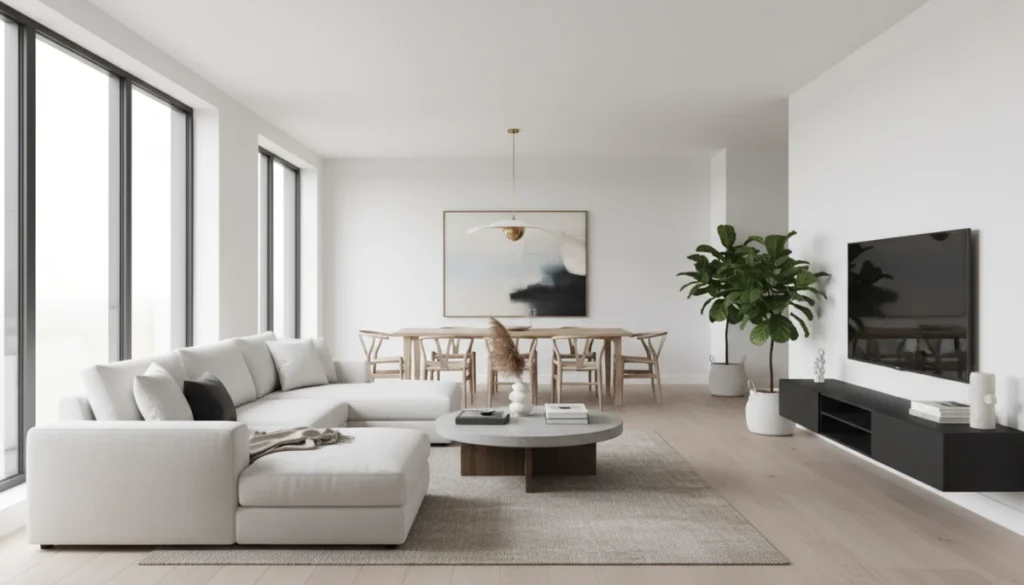
What Defines a Clean and Modern Minimalist Home?
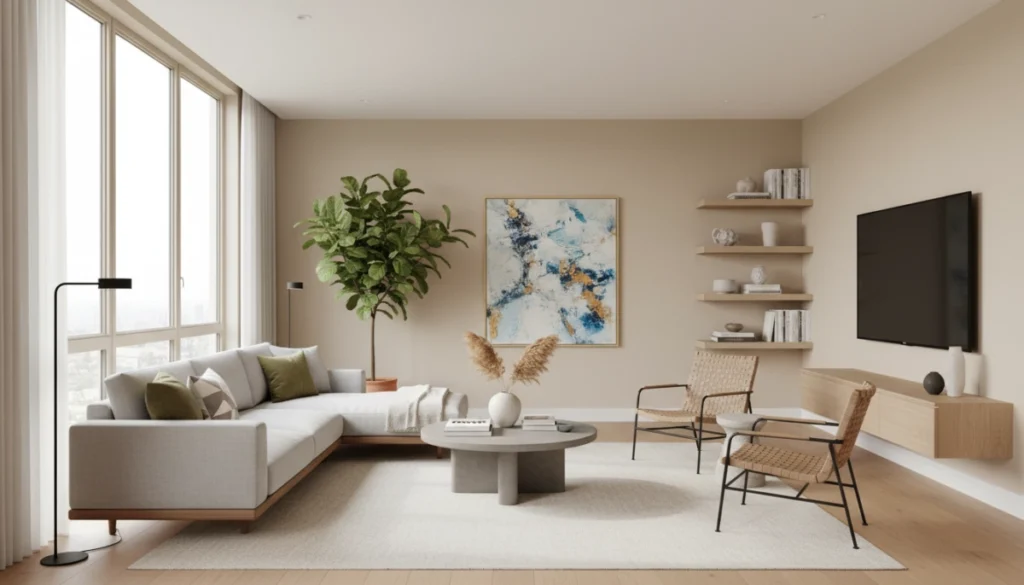
If you want a clean and modern minimalist home, you’re not chasing an empty white box. You’re creating a space that feels calm, intentional, and easy to live in every day.
Core Principles of Minimalist Interior Design
At its core, minimalist interior design is about editing, not depriving. You keep what matters, remove what doesn’t, and let every piece earn its place.
Core principles:
- Less, but better – fewer items, higher quality
- Clear lines and simple forms – no fussy details, no visual noise
- Neutral color palette – soft whites, beiges, grays, and earthy tones
- Open and airy layouts – space to move, breathe, and think
- Functional decor – pieces that look good and work hard
- Clutter-free surfaces – what you see is calm, not chaotic
| Principle | What It Looks Like in a Clean Modern Home |
|---|---|
| Less, but better | One great sofa instead of three average seating pieces |
| Clear lines | Sleek furniture with straight or gently curved silhouettes |
| Neutral color palette | Soft neutrals layered with subtle contrast |
| Open layouts | Fewer bulky pieces, more negative space |
| Functional decor | Lamps, trays, and stools that double as storage or seating |
Warm Minimalism vs Stark Minimalism
You’ve probably seen stark minimalism on Pinterest: cold white rooms, sharp edges, almost no personality. It photographs well, but it can feel unfriendly in real life.
I design for warm minimalism—a look that’s still clean and modern, but:
- Uses soft neutral interiors instead of blinding white
- Mixes natural materials like wood, stone, and linen
- Layers texture (bouclé, jute rugs, woven accents) instead of busy patterns
- Feels calm and cozy, not clinical
Stark Minimalism vs Warm Minimalism
| Style | Look & Feel |
|---|---|
| Stark minimalism | Cool, sharp, gallery-like, a bit impersonal |
| Warm minimalism | Soft, inviting, timeless, subtly luxurious |
For most US homes, warm minimalism decor is the sweet spot: modern, livable, and easy to maintain.
Benefits of a Minimalist, Clutter-Free Home
A clean modern home isn’t just pretty. It genuinely changes how you feel and function.
Key benefits:
- Clutter-free living – easier to clean, easier to find what you need
- Less visual stress – fewer distractions, more mental clarity
- Timeless home aesthetics – neutral, modern pieces age well
- Low-maintenance interiors – less stuff to manage, style, and store
- Calm and cozy home – your space actually helps you unwind
You don’t need a huge budget or a massive house to design this way. You need intentional choices, a clear minimalist color scheme, and the mindset that your home should work for you—not the other way around.
Essential Foundations for Minimalist Home Design
A clean, modern minimalist home starts with a few non‑negotiable foundations. Once these are in place, everything else gets easier.
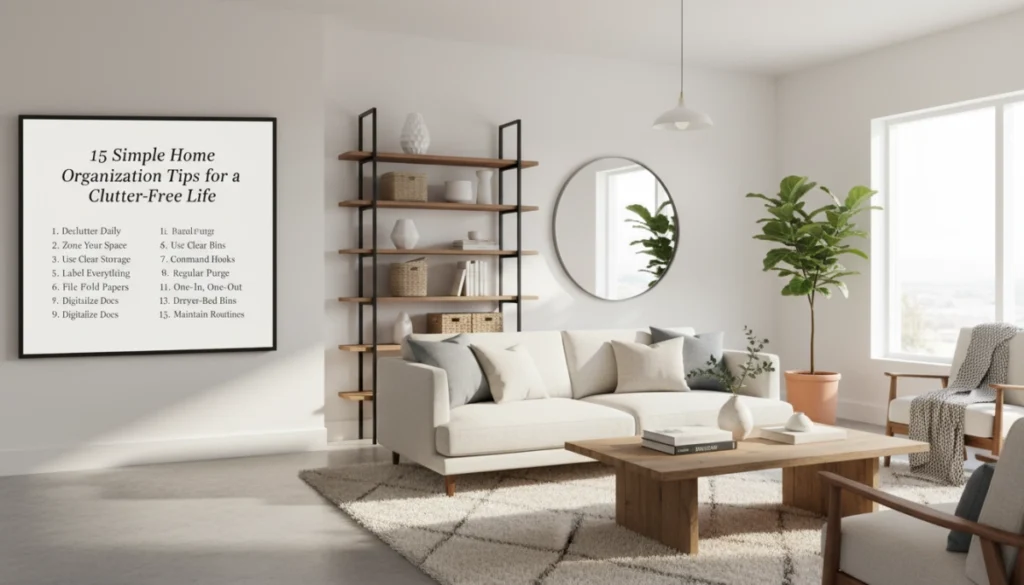
Declutter Home Tips & Simple Editing Routines
For a clutter‑free home, I focus on editing, not just organizing:
- Start with high‑impact zones: entryway, kitchen counters, living room surfaces. Clear anything you don’t use daily.
- Use the “one‑touch” rule: when you pick something up, put it where it actually belongs, not in a “for later” pile.
- Set a weekly 15‑minute reset:
- Empty “drop spots” (kitchen island, coffee table, nightstands).
- Toss junk mail, extra packaging, random cords.
- Create donation bins in a closet or garage so it’s easy to let things go regularly.
This keeps your minimalist interior design looking intentional instead of staged for one weekend and then forgotten.
Choosing a Neutral Color Palette for a Modern Minimalist Home
A neutral color palette is the base of almost every clean modern home:
- Stick to 3–4 core neutrals: warm white, soft beige or greige, light taupe, and a grounding charcoal or black.
- Use warmer neutrals (think Scandinavian or Japandi style) if you want a calm and cozy home instead of a cold, stark space.
- Add color in small, controlled ways: a rust pillow, a green vase, a single art piece.
This makes your rooms feel cohesive, easy to tweak, and naturally clutter‑free to the eye.
Prioritizing Quality Over Quantity in Minimalist Decor
Minimalist decor works best when every piece earns its spot:
- Buy fewer, better items: a solid wood dining table, a durable sofa in performance fabric, a quality jute rug.
- Skip random “filler” decor. Instead, choose:
- One sculptural vase
- One meaningful piece of minimalist wall art
- A couple of textured pillows or throws
- In the U.S., where we tend to overbuy home decor, this mindset keeps your space timeless and easier to maintain.
Quality over quantity is what gives minimalist home design that high-end, calm look.
Maximizing Natural Light and Open Concept Spaces
Light and openness are key to a clean modern home:
- Let in more natural light:
- Use light, sheer curtains or simple shades.
- Keep window sills clear.
- Choose light, matte finishes near windows to bounce light around.
- Keep layouts open and airy:
- Avoid bulky sectionals in small living rooms.
- Use slim, minimalist furniture design that doesn’t block sightlines.
- In open concept living rooms and kitchens, use rugs and lighting to define zones instead of heavy room dividers.
When you combine decluttering, a neutral color scheme, intentional decor, and open, light‑filled layouts, you get a minimalist home that feels calm, modern, and genuinely livable.
Idea 1: Embrace Negative Space
How negative space creates a calm, clean modern look
In minimalist home design, negative space (the empty space around furniture and decor) matters as much as what you own. It’s what makes a clean modern home feel calm instead of crowded.
- Empty wall space lets minimalist wall art stand out.
- Clear floor areas make small U.S. homes and apartments feel bigger and brighter.
- Less visual noise = less mental noise. You notice the shape of a sleek sofa, the texture of a jute rug, the warmth of wood.
This is where warm minimalism decor beats cold, stark design. You keep space open, but you still layer in soft neutrals, natural materials, and comfortable seating so your home feels cozy, not empty.
Balancing furniture and empty areas in each room
I always design rooms with this simple rule: one strong focal point + plenty of breathing room.
Use this balance guide in your minimalist interior design:
-
Living room
- Anchor the room with a low-profile minimalist sofa and simple coffee table.
- Leave at least 18–24 inches of clear space around main walkways.
- Keep one wall mostly clear or use a single large minimalist artwork instead of a gallery wall.
-
Bedroom
- Let the bed be the focal point; skip extra dressers if you can use hidden storage solutions under the bed.
- Keep nightstands light and clean: lamp, book, maybe one small decor piece.
-
Dining area
- Choose a streamlined dining table and keep chairs tucked in when not in use.
- Avoid crowding with extra shelving; use a built-in or sideboard instead of multiple small storage pieces.
If a room feels “off,” remove one item before adding anything new. In minimalist home design ideas, negative space isn’t wasted space—it’s the design.
Idea 2: Low-Profile, Streamlined Furniture
Sleek minimalist furniture with clean lines
When I design a clean modern home, I always start with low-profile, streamlined furniture. It instantly makes any space feel bigger, calmer, and more put-together.
Key rules I follow:
- Low backs, slim arms – keeps sightlines open in small living rooms
- Raised legs (sofas, chairs, coffee tables) – lets light travel and makes the room feel lighter
- Clean lines, no heavy curves or ornate details – pure minimalist interior design
- Neutral upholstery – light gray, sand, oatmeal, warm white for a soft neutral interior
- Flat fronts on storage pieces – no chunky hardware, no fussy trim
Best minimalist sofa, coffee table, and chairs for small spaces
I keep it simple and stick to a few hard-working, minimalist pieces that do the most in tight US apartments, condos, and townhomes.
Minimalist sofa ideas
| Type | Why it works in small spaces | What to look for |
|---|---|---|
| Armless sofa | Opens up the room, less visual bulk | Tight seat, firm cushions, neutral fabric |
| Apartment-size sofa | Fits in narrow living rooms & walk-ups | 70–80″ wide, slim arms, raised legs |
| Modular sofa | Flexible layout for open concept living rooms | Low profile, simple blocks, no bulky chaises |
Minimalist coffee table ideas
| Style | Benefit in a minimalist home design |
|---|---|
| Slim rectangular table | Works with small living rooms and narrow rooms |
| Round table | Softens the room, great for kids & tight corners |
| Nesting tables | Extra surface when needed, tuck away when not |
Look for glass, light wood, or matte black metal for a clean modern minimalist look.
Minimalist chairs for small spaces
- Side chairs instead of bulky armchairs
- Slim accent chairs in boucle or linen for warm minimalism decor
- Dining chairs with open backs to keep the room feeling open and airy
Quick checklist: streamlined furniture for a minimalist home
- Keep pieces low, slim, and lifted off the floor
- Stick to 2–3 main materials (light wood, metal, neutral fabric)
- Avoid oversized sectionals that swallow the room
- Choose furniture that looks calm from every angle
These minimalist home design ideas help you get a clean modern home that feels bigger, lighter, and more intentional—without overfilling it with furniture you don’t really need.
Idea 3: Build a Neutral Foundation with Texture
Neutral color palette as a base
For a clean modern home, I always start with a neutral color palette. It makes everything feel calmer and easier to style. Think:
- Walls: soft white, warm beige, greige, light taupe
- Big furniture: oatmeal, sand, stone, light gray
- Floors: light wood tones or warm mid-tone wood
This kind of neutral living room design and minimalist color scheme:
- Keeps the space timeless and easy to update
- Makes small apartments feel bigger and brighter
- Lets a few key decor pieces or art really stand out
Stick to 3–4 core neutrals and repeat them from room to room for a unified, clean modern look.
Layering linen, wool, and wood for warm minimalism
To avoid a flat, boring space, I focus on texture instead of a lot of color. That’s where warm minimalism decor really works:
- Linen: sofa slipcovers, curtains, throw pillow covers
- Light, breathable, relaxed – great for U.S. climates with hot summers
- Wool: area rugs, throws, upholstered benches
- Adds softness and warmth underfoot, perfect for cooler seasons
- Wood: coffee tables, nightstands, dining chairs, open shelves
- Oak, ash, or walnut bring in that Scandinavian minimalist style and Japandi interior style feel
A simple formula I like to use in any minimalist interior design:
- Base: neutral walls + neutral sofa
- Texture: linen curtains + wool rug + wood coffee table
- Accent: one or two natural materials like jute, bouclé, or rattan
This approach keeps the home calm, cozy, and clutter-free, without losing that clean modern home edge.
Idea 4: Multifunctional Furniture for Minimalist Homes
Multifunctional furniture is the easiest way to keep a clean modern home without sacrificing comfort. In small U.S. apartments, studios, and open concept living rooms, every piece needs to earn its spot.
Storage Ottomans That Do It All
Use storage ottomans to hide everyday clutter and keep a minimalist living room looking sharp:
- Store blankets, games, remotes, kids’ toys
- Use as extra seating, a footrest, or a coffee table with a tray on top
- Pick neutral fabrics (linen, boucle, performance polyester) to match a soft neutral interior
Nesting Tables for Flexible Layouts
Nesting tables are perfect for minimalist home design ideas where you need flexibility:
- Pull them out when guests are over, tuck them in for a clutter-free living room
- Choose sleek furniture ideas with thin metal legs or light wood tops
- Great for small apartments where every inch counts
Extendable Dining Tables That Adapt
An extendable dining table keeps a space calm day-to-day and ready for hosting:
- Keep it compact for everyday meals or work-from-home
- Extend it for holidays, game nights, or friends over
- Look for simple, minimalist furniture design: clean lines, matte finishes, neutral wood or white
Maximize Function in Minimalist Living Rooms and Studios
To keep a clean modern home without filling it with stuff, I focus on pieces that do at least two jobs:
- Choose furniture with hidden storage (benches, coffee tables, media consoles)
- Favor multifunctional furniture over single-purpose decor
- Stick to a neutral color palette for home so everything works together and feels calm
This is how I keep a minimalist living room and studio layout open, airy, and highly functional—without ever feeling crowded.
Idea 5: Built-In and Hidden Storage
Concealed Storage for a Clutter-Free Living Room
If I want a clean modern home, I don’t leave storage to chance—I build it in. Hidden storage keeps the living room calm, even with real-life stuff like blankets, games, and kids’ toys.
Some minimalist home design ideas that work well in U.S. homes:
- Built-in media wall
- Closed cabinets under the TV for cables, routers, remotes
- Slim wall-mounted units to keep floors clear and the room feeling open
- Storage sofa + coffee table
- Sofas with hidden storage under the seats for blankets and extra pillows
- Lift-top coffee tables for remotes, chargers, and magazines
- Closed storage over open shelving
- A few sleek cabinets instead of lots of open shelves to reduce visual clutter
- Use open shelves only for a few intentional decor pieces
The goal: everything you use daily has a “home,” but you don’t see it.
Minimalist Storage Ideas for Small Apartments
In small U.S. apartments, minimalist interior design has to be smart, not just pretty. I lean hard on vertical space and multi-use pieces:
- Wall-to-wall, floor-to-ceiling built-ins
- Shallow cabinets or wardrobes along one wall for a clean, custom look
- Use the same neutral color palette as the walls so they visually “disappear”
- Multifunctional furniture with storage
- Storage ottomans that double as seating, a coffee table, or a footrest
- Platform beds with drawers instead of bulky dressers
- Hidden entry and hallway storage
- Slim wall cabinets, peg rails, and closed shoe storage near the door
- Hooks and baskets behind doors to keep surfaces clear
When I design a minimalist small apartment, I treat storage like infrastructure: built-in, hidden, and always supporting clutter-free living.
Idea 6: Sculptural Lighting As a Focal Point
Modern Sculptural Lighting as Functional Decor
In a minimalist home, I treat lighting like artwork. One bold sculptural pendant light or a clean minimalist floor lamp can anchor a space without adding clutter. Instead of filling rooms with decor, I use:
- Modern pendant lights over the dining table or kitchen island
- Arc or tripod floor lamps next to the sofa or reading chair
- Slim wall sconces in hallways and bedrooms
They double as functional decor and keep a clean modern home feeling intentional, not empty.
Minimalist Lighting by Room
I keep the lighting plan simple, consistent, and warm:
- Living room: One sculptural pendant or flush mount + a slim floor lamp for cozy evenings
- Kitchen: Linear or globe pendants over the island + under-cabinet lights to keep counters clutter-free
- Bedroom: Low-glare flush mount + small wall sconces or plug-in lamps instead of bulky table lamps
- Bathroom: Minimalist vanity lights + a simple overhead fixture for a spa-like minimalist bathroom
- Home office: Clean desk lamp with adjustable arm + ceiling light for even brightness
I stick to warm white bulbs (2700K–3000K), matte or soft-sheen finishes, and simple shapes—think black, white, or brushed brass—so the lighting adds drama while still fitting a minimalist interior design and warm minimalism decor.
Idea 7: Add Natural Materials for Warmth
Bringing in natural materials is one of the fastest ways to warm up a clean modern home without losing that minimalist look.
Natural materials in a minimalist home
Use a few honest, high-impact materials instead of a lot of busy decor:
- Wood:
- Light oak or ash for floors, coffee tables, and minimalist bed frames
- Slim wood picture ledges or benches in the entryway
- Stone:
- Quartz, marble, or honed granite for kitchen counters and bathroom vanities
- A simple stone tray or bowl on a modern console table
- Rattan & cane:
- Rattan accent chairs, bar stools, or storage baskets
- Cane doors on a low-profile media console for texture without clutter
These materials pair well with neutral color palettes, Scandinavian minimalist style, and Japandi interior style, keeping everything calm and cohesive.
Balance natural materials with sleek surfaces
The goal is warm minimalism, not a rustic cabin. I like to balance every organic element with something clean and modern:
- Match wood and stone accents with:
- Flat-front white or taupe cabinets
- Simple black or brushed nickel hardware
- Smooth, matte walls and streamlined furniture
- Use a simple rule of thumb:
- One main natural “hero” per room (wood dining table, stone coffee table, or rattan chair)
- Keep everything else low-profile and sleek so the natural textures stand out
This mix keeps your minimalist interior design calm, cozy, and clutter-free, while still feeling modern and elevated enough for a city apartment or a suburban home.
Idea 8: Curate Impactful Minimalist Artwork
Minimalist home design works best when the art is intentional, not random. I focus on a few meaningful pieces that actually say something about my life, not just fill wall space.
How to Choose Minimalist Artwork that Matters
- Pick 2–3 larger pieces per room instead of a ton of small frames. It keeps the look clean and modern.
- Go for neutral color palettes with one accent color that ties into your decor (think warm beige, soft gray, black, rust, or deep green).
- Look for:
- Abstract line drawings
- Simple landscapes
- Black-and-white photography
- Graphic shapes that echo Scandinavian minimalist style or Japandi interior style
- Choose art that connects to your story: places you love, artists you actually follow, or prints from small US-based studios.
Framing Tips for a Clean Modern Home
- Use slim, simple frames in black, white, or light wood for a calm, cohesive look.
- Keep frame styles consistent across the room for a clutter-free, minimalist interior design.
- Skip heavy mats and ornate frames; they fight against warm minimalism decor and feel busy.
Scale and Placement in Minimalist Interior Design
- Size rule: aim for art that’s 60–75% of the width of the furniture below it (sofa, console, bed).
- Hang art so the center sits around 57″–60″ from the floor—a museum-style height that works in most US homes.
- In an open concept living room, use one strong piece above the sofa to anchor the space.
- Keep spacing clean:
- 6–8″ above a sofa or headboard
- 2–3″ between pieces in a pair
- Leave plenty of negative space around your art. That empty wall is part of the design and what makes a clean modern home feel calm, not bare.
Curated this way, minimalist wall art becomes functional decor: it adds personality, depth, and style without ever crowding your space.
Idea 9: Keep Layouts Open and Airy
Simple layout tips for open concept spaces
In a clean modern home, layout matters more than how much stuff you own. For a minimalist home design, I always plan the room like this:
- Float the sofa instead of shoving it against the wall to create a natural conversation zone.
- Anchor each area with one rug (living, dining, office), so the open concept layout feels defined but not chopped up.
- Use low-profile furniture (sofas, benches, credenzas) to keep sightlines open across the space.
- Keep pathways clear—aim for at least 3 feet of walking space around the main furniture.
- Group furniture tightly instead of spreading it along every wall; this makes rooms feel intentional, not cluttered.
This kind of minimalist interior design makes an open concept living room feel calm, bright, and easy to move through.
Minimize visual barriers and heavy room dividers
To keep layouts open and airy, I avoid anything that blocks light or cuts the room in half:
- Skip chunky room dividers—use slim open shelving, a console table, or a low bench to suggest zones without closing them off.
- Choose lightweight fabrics (sheer or linen curtains) instead of heavy drapes that visually shrink the room.
- Use glass or open-leg furniture instead of bulky bases to keep the floor visible.
- Keep large pieces (tall bookshelves, wardrobes) against walls, not floating in the middle of the room.
- If you need privacy in a small apartment, use folding screens or slatted panels that still let light through.
When layouts stay open and airy, warm minimalism really works—your clean modern home feels bigger, quieter, and a lot more livable day-to-day.
Idea 10: Design a Serene Minimalist Bedroom
A serene minimalist bedroom starts with layered neutrals and a few carefully chosen pieces. I always treat the bedroom as a reset zone—calm, quiet, and clutter-free.
Serene Bedroom Design with Layered Neutrals
Use a neutral color palette to keep the room clean and modern, then add depth with texture instead of busy color:
- Walls: soft white, warm beige, or greige
- Bedding: layers of white, oatmeal, and taupe
- Textiles: linen, cotton, and wool for that warm minimalism feel
- Accents: one or two calm tones (sand, clay, or soft charcoal), not a full rainbow
Stick to simple modern decor: no heavy patterns, no visual noise. Every piece should help you relax.
Minimalist Bed Frames, Nightstands, and Soft Textiles
I always build a minimalist bedroom design around three things: the bed, the nightstands, and soft layers.
Minimalist bed frame ideas:
- Low-profile platform bed with clean lines
- Light wood or upholstered headboard in a neutral fabric
- No bulky footboard, no oversized trim
Nightstands for a clean modern home:
- Floating nightstands to keep the floor open
- One drawer or a small shelf for essentials only
- Match or coordinate with your bed for a calm and cohesive look
Soft textiles to make it serene:
- High-quality cotton or linen sheets in solid neutrals
- One lightweight duvet and one textured throw (bouclé, waffle knit, or washed linen)
- A simple jute rug or wool rug under the bed for warmth and comfort
Keep surfaces clear—just a small lamp, a book, and maybe one object you love. That’s how you get a truly serene minimalist bedroom that feels calm every night and easy to keep tidy every morning.
Idea 11: Inviting Minimalist Living Room
Build One Cozy Focal Point Around the Sofa
In a minimalist living room, I always anchor the space with one clear focal point: the sofa area. That’s what makes the room feel inviting instead of empty.
Focus on:
- A low-profile, comfy sofa in a neutral color (greige, warm white, soft taupe)
- A simple coffee table with clean lines
- One soft rug to ground the seating zone
- One statement piece (sculptural floor lamp, large minimalist wall art, or a textured throw)
This keeps the room calm, modern, and easy to live in, especially in open concept homes and small apartments.
Balance Comfort and Clean Lines
Minimalist interior design in the living room shouldn’t feel cold. I design for Netflix nights and real life, not just photos. Here’s how I balance comfort with a clean modern look:
- Keep the palette neutral, add warmth with texture (linen pillows, bouclé throw, jute rug)
- Limit decor to a few functional pieces: trays, books, one or two vases
- Hide visual clutter in a sleek media console or built-in storage
- Choose furniture with legs to keep the room feeling open and airy
The result: a clean modern home that still feels cozy, lived-in, and easy to maintain—perfect for everyday life in a busy U.S. household.
Idea 12: Streamline a Modern Minimalist Kitchen
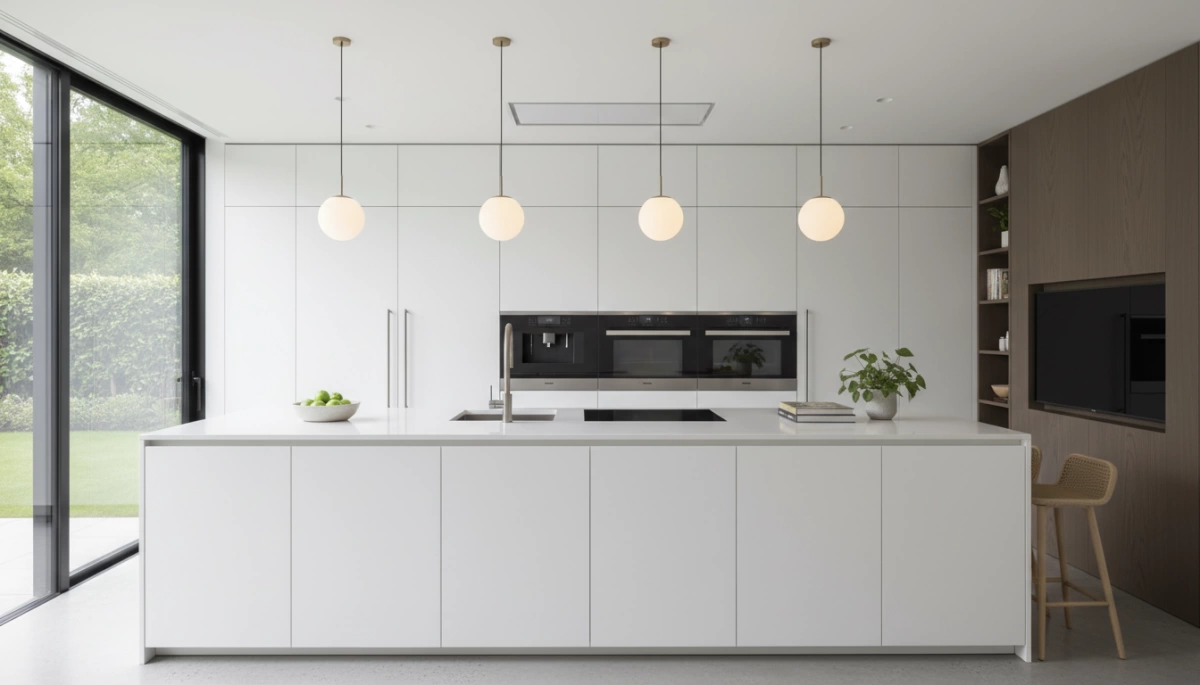
A modern minimalist kitchen starts with clean lines, smart storage, and zero visual noise. I design every kitchen to feel open, calm, and easy to cook in, not like a showroom you’re scared to use.
Flat-Panel Cabinets + Integrated Appliances
Go for a sleek, flat-panel cabinet style (think Scandinavian minimalist or Japandi) to keep the room clean and modern:
- Handleless or slim hardware to reduce visual clutter
- Panel-ready or integrated appliances (fridge, dishwasher) so they blend into your cabinets
- Simple, neutral color palette – white, warm beige, light gray, or soft greige for a calm, timeless look
This keeps the kitchen streamlined and helps small apartments or open concept spaces feel bigger and more cohesive.
Decluttered Countertops
For a clean modern home, the counters need to stay as open as possible:
- Keep only daily essentials out: coffee maker, knife block, or one attractive canister set
- Store the rest (air fryer, blender, toaster) behind closed doors
- Use matching canisters and jars if anything has to stay visible, so it looks intentional, not random
A clear countertop instantly reads as minimalist, organized, and high-end.
Functional Minimalist Kitchen Storage
Minimalist interior design doesn’t mean less function. It means smarter function:
- Add deep drawers for pots, pans, and dishes instead of hard-to-reach lower cabinets
- Use pull-out organizers for spices, oils, and cleaning products
- Add vertical dividers for baking sheets and cutting boards
- Use a tall pantry cabinet with adjustable shelves or pull-outs
- In small spaces, use a slim rolling cart or island with storage for extra function
When everything has a home, it’s easier to keep the kitchen clutter-free, calm, and truly minimalist—without sacrificing how you cook or live every day.
Idea 13: Use Greenery with Intention
Minimalist plant decor: less, but bigger
For a clean modern home, I treat plants like art: intentional, not random.
- Choose a few large indoor plants instead of many tiny ones
- They create bold, simple silhouettes that fit minimalist interior design
- Less visual noise, fewer pots to water, and a calmer, clutter-free living vibe
- Keep planters simple:
- Matte white, black, or soft beige
- Clean cylinders or low bowls, no busy patterns or bright colors
Place plants where they actually add value:
- Corners that feel empty
- Next to a sofa in a neutral living room design
- Beside a TV console to soften the tech
- By a window in an open concept living room
Best low-maintenance plants for a minimalist home
For most U.S. homes and apartments, these low-maintenance plants work well and stay stylish:
- Snake Plant (Sansevieria) – Handles low light, little watering, perfect for bedrooms and offices
- ZZ Plant – Almost impossible to kill, great for darker corners
- Fiddle Leaf Fig – A bit pickier, but one tall tree makes a big statement in a minimalist living room
- Rubber Plant – Deep green leaves, works well with warm minimalism decor and wood accents
- Monstera – Sculptural leaves that play nicely with Japandi and Scandinavian minimalist style
Keep it intentional:
- Limit yourself to 1–2 plants per room in smaller spaces
- Group 2–3 plants in one zone instead of scattering them everywhere
- Regularly edit: if a plant looks weak or fussy, replace it with something simpler and tougher
That’s how I use greenery to make a calm and cozy minimalist home without losing that clean, modern look.
Idea 14: Amplify Light and Space with Mirrors
Mirror Placement to Brighten and Visually Expand Rooms
In a minimalist home, mirrors are one of the easiest ways to make a room feel bigger and brighter without adding clutter. I lean on them a lot in small U.S. apartments and narrow suburban hallways.
Simple placement rules that work:
- Across from windows:
- Bounce natural light deeper into the room
- Make a clean modern home feel more open and airy
- Behind or beside the sofa or dining table:
- Expand a minimalist living room visually
- Create depth without adding extra decor
- End of a hallway or entry:
- Make tight spaces feel longer
- Add a subtle focal point in a neutral hallway
- Above a console or sideboard:
- Replaces busy wall decor
- Keeps the look sleek and minimalist
Just keep mirrors aligned with your main sight lines (sofa, bed, dining table) and avoid placing them where they reflect clutter.
Minimalist Mirror Styles for Modern Interiors
For a modern minimalist home design, I keep mirror styles clean and simple so they blend with neutral color palettes and warm minimalism decor.
Minimalist mirror styles that always work:
- Thin black or white metal frame:
- Fits Scandinavian minimalist style and Japandi interiors
- Works in living rooms, bedrooms, and entryways
- Frameless or beveled edge:
- Ultra-clean look for a modern minimalist bathroom or hallway
- Great when you want the mirror to “disappear” into the wall
- Organic or soft-arched shapes:
- Adds a subtle sculptural feel without visual clutter
- Warms up spaces that feel too boxy or rigid
- Full-length leaning mirror:
- Perfect for bedrooms and small apartments
- Makes ceilings feel higher and rooms feel larger
I avoid heavy, ornate frames—they fight against a minimalist interior design. A simple, well-placed mirror can do the job of multiple decor pieces while keeping your space calm, bright, and clutter-free.
Idea 15: Choose Matte and Soft-Sheen Finishes
Why Matte Finishes Work for Warm Minimalism
Matte finishes are one of the easiest ways to get that calm, clean modern home look without feeling cold.
Why I always lean matte for warm minimalism:
- Soft, no-glare look – Diffuses light instead of bouncing it, so rooms feel calmer.
- Hides imperfections – Great for older U.S. homes with less-than-perfect walls.
- Feels cozy, not sterile – Pairs well with neutral color palettes, wood, and textured textiles.
- Timeless – Works across styles: Scandinavian minimalist, Japandi, modern farmhouse, you name it.
Best places for matte:
| Area | Recommended Finish | Why It Works |
|---|---|---|
| Living room walls | Matte / Flat | Soft backdrop for minimalist wall art |
| Bedroom walls | Matte | Creates a serene, hotel-like feel |
| Ceiling | Flat | Keeps attention on decor and lighting |
| Large furniture pieces | Matte lacquer | Clean, modern, low-visual-noise look |
Using Soft-Sheen Paint, Hardware, and Surfaces
I like to mix matte with soft-sheen so the space feels layered, not flat.
How to use soft-sheen finishes in a minimalist home design:
-
Paint (eggshell or satin)
- Use in: hallways, kitchens, kids’ rooms, high-traffic areas.
- Benefits: Wipes clean easily, still looks soft and modern.
-
Hardware (soft-brushed metals)
- Go for: brushed nickel, brushed brass, blackened steel.
- Use on: cabinet pulls, door handles, faucets.
- Tip: Keep the finish consistent across rooms for a clean minimalist interior design.
-
Surfaces
- Countertops: honed stone or matte quartz (less glare than polished).
- Tile: matte or low-sheen in bathrooms for a spa-like minimalist bathroom.
- Furniture: matte wood tables, low-sheen sideboards, sleek minimalist furniture with powder-coated metal legs.
Simple combo that works in most U.S. homes:
- Matte walls in a warm white or soft greige
- Soft-sheen trim (eggshell or satin) in the same color
- Brushed hardware and a few soft-sheen accents (like a metal floor lamp or minimalist pendant light)
This mix keeps your warm minimalism decor looking elevated, cozy, and easy to live with—no harsh shine, no visual clutter, just a calm, modern backdrop that works with the rest of your minimalist home design ideas.
Idea 16: Layer Subtle Textures for Depth
When I design a minimalist home, I rely on subtle texture instead of extra stuff. It keeps the space clean and modern, but still warm and livable.
-
Start with bouclé throws and pillows
- A bouclé sofa or chair instantly adds softness to a neutral living room.
- Drape a bouclé throw over the arm of a sleek sofa for that calm, cozy home feel without visual clutter.
-
Ground the room with a jute rug
- A jute rug in the living room adds natural texture and warmth underfoot.
- Go for simple, solid weaves in soft neutrals so it works with Scandinavian minimalist style or Japandi interiors.
-
Layer in woven accents
- Add one or two woven baskets, a rattan tray, or a simple woven bench.
- Use them as functional decor: hide blankets, toys, or extra pillows to support clutter-free living.
-
Stick to a tight neutral color palette
- Mix off-whites, beiges, taupe, and soft grays so the textures stand out, not loud colors.
- This keeps your minimalist home design calm, modern, and easy to maintain.
-
Keep the edit strict
- Focus on a few high-quality textured pieces instead of layers of decor.
- If a new item doesn’t add function or quiet visual interest, it doesn’t stay.
This is how I create visual interest without visual noise—simple modern decor, natural materials, and just enough texture to make a clean modern home feel warm, not empty.
Idea 17: Simplify Your Entryway
A minimalist entryway sets the tone for a clean modern home. I treat this space like a daily reset zone: everything has a spot, nothing feels cramped.
Minimalist entryway design with hooks and benches
For a calm, warm minimalism look, I keep it to three core pieces:
-
Slim wall hooks or a clean-lined rail
- Black, brass, or wood hooks for a modern minimalist look
- Limit to everyday coats, bags, and hats to keep clutter down
-
A low-profile bench with storage
- Hidden shoe storage inside or baskets below
- Light wood or upholstered in a neutral color palette (beige, gray, taupe)
-
One simple landing spot
- A shallow tray or small wall shelf for keys, wallet, mail
- No decor overload—functional decor only
This keeps the entry practical and aligned with minimalist home design ideas and clutter-free living tips.
Small-space entry solutions for instant calm
Even in a small apartment or narrow hallway, a clean modern entry is doable:
-
Go vertical
- Use high hooks, a narrow wall-mounted shelf, and an over-the-door rack
- Built-in or wall-mounted cubbies keep floors clear and visually open
-
Use slim, sleek furniture
- A narrow bench (10–14″ deep) or a floating ledge instead of a bulky console
- Minimalist furniture design with straight lines and no heavy ornament
-
Contain everything
- One basket per person for shoes or daily grab-and-go items
- Closed bins or boxes in soft neutral interiors to hide visual clutter
By simplifying the entryway with intentional storage, hooks, and benches, I create an instant sense of calm the second I walk through the door—and that’s the foundation of a truly minimalist, clean modern home.
Idea 18: Conceal Tech for a Cleaner Look
Smart home devices that blend into minimalist decor
In a clean modern home, tech should support your life, not steal the spotlight.
- Pick smart home devices in neutral colors (white, black, sand) that match your minimalist color scheme.
- Choose slim soundbars, low-profile routers, and frame-style TVs that look like minimalist wall art when they’re off.
- Use smart plugs, smart bulbs, and hidden hubs so the tech does the work while the room still feels calm and uncluttered.
- In open concept living rooms, keep remotes and chargers in a closed drawer or storage ottoman so surfaces stay clean.
Cable management and hidden media storage
If you want a minimalist interior design to feel truly clean, cables and boxes have to disappear.
- Run TV cables through the wall or use cord covers painted to match your wall color.
- Use a floating media console with doors to hide gaming systems, Wi-Fi gear, and streaming boxes.
- Add cable management solutions under your desk and behind consoles:
- Adhesive cable clips
- Under-desk trays
- Velcro ties for wrapping excess cord
- In small apartments, go for multifunctional media storage (like a bench with hidden compartments) to keep tech out of sight but easy to reach.
Concealing tech is one of the fastest ways to get that minimalist home design look—your space feels calmer, more intentional, and instantly more modern.
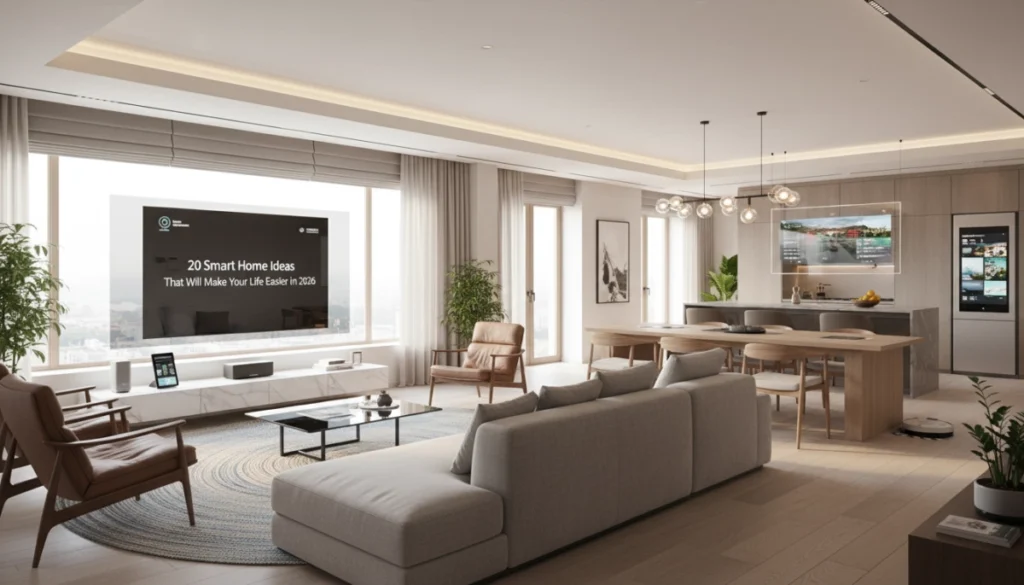
Idea 19: Balance Symmetry and Asymmetry
In minimalist home design, visual balance matters more than matching everything. I aim for a mix of symmetry (for calm) and asymmetry (for interest) so rooms feel peaceful but not stiff.
Styling Shelves With Visual Balance
For shelves and built-ins, I keep things simple and intentional:
- Anchor each shelf:
- One larger piece (a stack of books, a vase, a bowl) as the “weight”
- One smaller item to balance it off-center
- Use symmetry loosely:
- Left side: taller object + small bowl
- Right side: medium frame + small stack of books
- Repeat shapes and colors:
- Same neutral color palette, similar heights, similar textures
- Leave negative space:
- Every shelf needs blank space so it doesn’t look cluttered
This keeps your minimalist wall decor calm, modern, and easy on the eyes.
Balancing Sofas and Seating
In a minimalist living room, I avoid heavy matching sets but still aim for balance:
- Center the main piece:
- Sofa centered on the rug or across from the TV/fireplace
- Balance with asymmetry:
- One side: floor lamp + side table
- Other side: single accent chair or pouf
- Use pairs smartly:
- Two matching pillows on opposite ends of the sofa
- One throw blanket casually draped on one side
- Keep pathways open:
- Furniture grouped, but walkways clear for an open, airy feel
You get a clean modern home that feels cozy, not crowded.
Beds With Calm, Dynamic Balance
In a serene bedroom design, I use symmetry around the bed, then soften it:
- Start symmetric:
- Bed centered on the wall
- Two matching nightstands + two matching lamps
- Add subtle asymmetry:
- One side: stacked books or a small plant
- Other side: a tray, candle, or small bowl
- Play with pillows:
- Even number of sleeping pillows
- One accent pillow or lumbar in front to break the perfect symmetry
- Art above the bed:
- One centered piece, or
- Two pieces with slightly different sizes but aligned at the bottom
This balance of symmetry and asymmetry keeps your minimalist bedroom peaceful, modern, and personal—without visual clutter.
Idea 20: Maintain a Minimalist Mindset
Staying consistent is what actually makes a minimalist home design work long-term. I treat minimalism as a habit, not a one-time project.
Weekly + seasonal editing habits
I like to build in quick “edits” so clutter never has a chance to pile up:
-
Weekly 10-minute reset
- Clear kitchen counters and nightstands
- Put random items back in a “home” (drawer, bin, basket)
- Toss junk mail and packaging immediately
-
Monthly mini-purge
- One category at a time: mugs, towels, decor, kids’ stuff
- Ask: Do I use it? Do I love it? Does it fit my clean modern home?
- Donate or sell what doesn’t pass the test
-
Seasonal reset (spring/fall)
- Rotate decor and textiles (pillows, throws, candles)
- Pack away off-season items in labeled, hidden storage
- Recheck closets, entryway, and kitchen—top clutter zones in most U.S. homes
These little routines keep your minimalist interior design smooth without feeling extreme or time-consuming.
Refresh decor without adding clutter
You don’t need more stuff to refresh your space. You just need to re-style what you already own:
- Swap, don’t add
- One piece in, one piece out—especially decor
- Rotate vases, books, and art between rooms for a new look
- Change placement and styling
- Restyle shelves with more negative space and fewer objects
- Re-center rugs, shift lamps, or move a plant for better balance
- Update soft elements, not structure
- Change pillow covers, throws, or bedding in your neutral color palette
- Keep furniture and big pieces calm and timeless
When I design a clean modern home, the rule is simple:
If it doesn’t support calm, function, or joy, it doesn’t stay.
That mindset is what keeps a minimalist home feeling intentional, warm, and clutter-free all year.
Room-Specific Minimalist Ideas
Minimalist Living Room Design Tips
For a clean modern home, I keep the living room simple and functional:
- Anchor with one main piece: a sleek minimalist sofa, a jute rug, and a low-profile coffee table.
- Limit decor: 1–2 sculptural lighting fixtures, a single large plant, and one piece of minimalist wall art.
- Use hidden storage: storage ottomans, media consoles with doors, and baskets to keep remotes, cords, and toys out of sight.
Serene Bedroom Design + Storage
A serene bedroom design starts with calm, warm minimalism:
- Neutral color palette: soft whites, greige, sand, and warm gray for walls, bedding, and curtains.
- Streamlined furniture: a simple bed frame, two small nightstands, and a low dresser—nothing extra.
- Smart storage: under-bed bins, built-in closets, and lidded boxes so surfaces stay clear and sleep feels easier.
Modern Minimalist Kitchen + Dining
In the kitchen and dining area, I focus on function first:
- Flat-panel cabinets and integrated appliances for a smooth, modern minimalist look.
- Clear countertops: only keep a few daily-use items out; everything else goes into drawers or pantry zones.
- Dining basics: a simple table, comfortable streamlined chairs, and a single pendant light as functional decor.
Spa-Like Minimalist Bathroom Design
To get a spa-like minimalist bathroom without a full remodel:
- Stick to 2–3 materials: white tile, light wood, and matte black or brushed nickel hardware.
- Declutter surfaces: use trays, wall shelves, and vanity drawers so only everyday essentials are visible.
- Soft textures: plush white towels, a jute or cotton bath mat, and one plant for a calm, clean feel.
Clutter-Free Home Office for Focused Work
A minimalist home office helps me stay focused and organized:
- Simple desk setup: one desk, one ergonomic chair, and a minimalist task lamp—no extra furniture.
- Concealed tech: cable management solutions, a small drawer unit, and hidden media storage for gear.
- Visual calm: neutral color scheme, one piece of art, and a plant so the space feels light, open, and distraction-free.
Common Minimalist Design Mistakes
Over-accessorizing and visual clutter
Even in a minimalist home design, it’s easy to slide back into clutter:
- Keep surfaces at least 50% clear – coffee tables, nightstands, consoles.
- Swap dozens of tiny decor pieces for 1–3 larger, intentional objects.
- Avoid busy gallery walls; choose one strong, minimalist wall art piece instead.
- If an item doesn’t add comfort or function, I remove it.
Relying on cold, stark white everywhere
Minimalist interior design doesn’t mean living in a white box. Too much bright white can feel harsh and clinical, especially in U.S. homes with strong sunlight.
- Use soft neutrals: warm white, greige, sand, oatmeal, taupe.
- Mix in wood tones, stone accents, and textured textiles to soften the look.
- Reserve pure white for trim, ceilings, or a few accent pieces, not every wall.
Ignoring real storage needs and daily routines
Minimalism fails fast if it doesn’t fit real life. A clean modern home needs storage that matches how you actually live.
- Plan hidden storage solutions near where you drop things: entry, sofa, bed, desk.
- Use built-in storage ideas (benches, media walls, closet systems) instead of random bins.
- Design around daily habits: mail, kids’ gear, work bags, pet stuff, Amazon deliveries.
- If there’s no easy “home” for it, it will end up as clutter.
Confusing minimalism with empty or lifeless rooms
Minimalist home design ideas should feel calm and cozy, not cold or bare.
- Layer warm minimalism decor: textured rugs, linen curtains, plush throws, cushions.
- Add natural materials like wood, rattan, and stone for warmth and character.
- Use a few meaningful objects – books, heirlooms, personal art – instead of stripping everything out.
- Aim for a space that feels edited, not empty; peaceful, not boring.
Personalizing Your Minimalist Home
Add Personal Touches Without Clutter
I keep my minimalist home personal by choosing fewer, more meaningful items instead of spreading stuff everywhere. A clean modern home still needs soul. I just edit harder.
Use this simple rule: one statement, not ten small things.
- Limit decor per surface:
- Coffee table: 1–2 items (tray + candle or book)
- Nightstand: lamp + 1 item (book, small bowl, or photo)
- Credenza: 1 larger object (vase, sculpture, or framed art)
- Create “zones” for personality:
- One gallery wall instead of random frames in every room
- One shelf styled with personal pieces instead of packed bookcases
- Stick to your neutral color palette:
- Personal items should mostly fit your neutral living room design
- Keep color pops small so the space stays calm and clutter-free
Using Heirlooms, Books, and Art in a Minimalist Way
I like to treat sentimental pieces as intentional focal points, not background noise.
Heirlooms:
- Display only what you truly love and use
- Group 1–3 special items together on a console or shelf
- Reframe or restore old pieces so they fit a clean modern home (e.g., modern frame for an old photo)
Books:
- Keep only the books you actually read or really value
- Style books in small stacks on shelves, side tables, or a minimalist home office setup
- Use spines with softer, neutral colors toward the front for a calmer look
Art:
- Choose a few larger, minimalist wall art pieces instead of lots of small frames
- Go for simple frames (black, white, or light wood) to match warm minimalism decor
- Center art over key pieces: sofa, bed, dining table, or entryway bench
Adapting Minimalist Design to Small and Large Homes
Minimalist interior design works in a studio apartment or a big suburban house—you just scale it.
For small apartments and compact spaces:
- Use multifunctional furniture: storage ottomans, nesting tables, sofa beds
- Prioritize hidden storage solutions: under-bed bins, built-in benches, wall-mounted cabinets
- Keep the floor as clear as possible to make it feel open and airy
For larger homes and open concept spaces:
- Use rugs, lighting, and furniture placement to define zones (living, dining, work)
- Repeat your neutral color palette for home from room to room for a unified, calm vibe
- Add personality through natural materials home decor (wood, stone, textured textiles) instead of lots of small decor pieces
In both cases, the mindset is the same: intentional home design first, decor second. Display what matters, store the rest, and let the negative space do the talking.