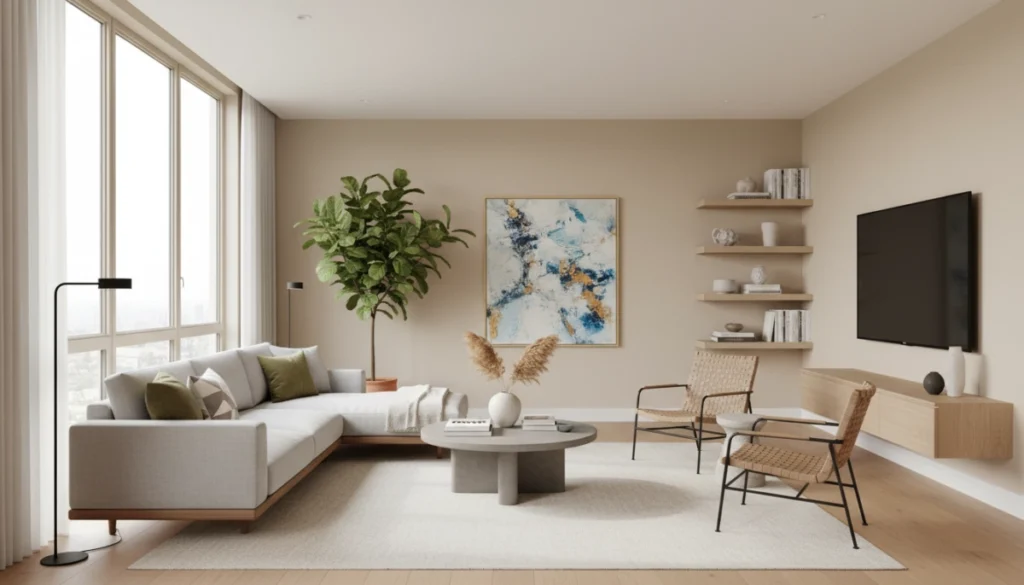
If you’ve ever stared at your living room and thought, “Something just feels… off,” you’re not alone.
Designing a beautiful living room isn’t about buying random trendy decor and hoping it works. It’s about pulling together a cohesive design style, a smart living room layout, the right color palette, and furniture that actually fits your lifestyle—not just your Pinterest board.
In this complete guide, you’ll learn how to design a beautiful living room step by step: from assessing your space and planning a functional living room layout, to choosing living room color schemes, foundational furniture, lighting, and those small styling details that make a room look professionally designed.
Whether you’re working with a small living room, a modern open-plan space, or you want a cozy living room that still feels elegant, you’ll get practical, real-world living room decorating tips you can use today—plus ideas on how Lalulu’s timeless pieces can help you build a space you’ll love for years.
Assess Your Space and Set Clear Goals
Before you dive into living room design ideas or start online shopping, you need to really understand your space and set clear goals. This is the foundation of any beautiful living room that actually works for your life.
Measure Your Room, Light, and Layout
Start with a quick “room audit”:
- Measure the room – length, width, and ceiling height
- Note doorways, windows, radiators, and weird corners
- Check natural light – is it bright, dim, north-facing, or full sun?
- Take photos from every corner so you can review the living room layout calmly
These details guide everything: living room furniture arrangement, color choices, and how modern or cozy your living room will actually feel.
Define How You Really Use the Living Room
A beautiful living room has to be functional first. Ask yourself:
- Do you mostly relax and watch TV?
- Do you entertain guests often?
- Do you work from the sofa or need a laptop spot?
- Do you want space for hobbies, reading, or gaming?
Write down your top 3 priorities. This makes every decorating decision easier and keeps your functional living room layout on track.
Set a Clear Vision for Look and Mood
Now decide how you want the room to feel, not just look:
- Calm and minimal? (Modern or Scandinavian living room design)
- Warm and layered? (Cozy living room ideas with texture and soft lighting)
- Colorful and eclectic? (Boho living room decor with pattern and personality)
- Classic and polished? (Elegant living room ideas with symmetry and rich materials)
Create a simple mood board (Pinterest, screenshots, or a folder on your phone) so your living room design stays cohesive instead of chaotic.
Factor in Lifestyle: Kids, Pets, and Storage
This is where real life meets interior design living room plans:
- Kids: rounded coffee tables, washable slipcovers, durable rugs
- Pets: stain-resistant fabrics, darker living room color schemes, no fragile decor at tail level
- Storage: closed cabinets for toys and clutter, media units that hide wires, storage ottomans
Be honest about your lifestyle. A beautiful living room is one you can actually live in, not just photograph.
Action step:
Before you buy anything, measure your room, define your top uses, choose a mood, and list your lifestyle needs. This clarity will save you money, stress, and a lot of decorating mistakes.
Set Your Living Room Budget First
Before you dive into living room design ideas, lock in a budget. It keeps your beautiful living room decor on track and stops those “how did we spend that much?” moments.
Main Cost Categories
When I plan a full living room redesign in the U.S., I break the budget into clear buckets:
- Furniture (Biggest Spend)
- Sofa, accent chairs, coffee table, TV stand, storage
- Usually 50–60% of the budget
- Lighting
- Ceiling light, floor lamps, table lamps
- Around 10–15%
- Decor & Textiles
- Rugs, curtains, pillows, throws, art, plants
- Around 15–20%
- Paint & Wall Finishes
- Paint, primer, supplies, or wallpaper
- Around 5–10%
- Buffer / Misc
- Delivery fees, assembly, returns, small fixes
- Around 5–10%
What to Invest In vs. Where to Save
For a modern, functional living room layout that lasts, I treat some pieces as “workhorses” and some as “style boosters”:
Invest in:
- Sofa: Quality frame, durable fabric (especially with kids or pets)
- Rug: Right size, good feel underfoot; anchors the whole layout
- Lighting: At least one great floor lamp or statement ceiling light
- Key storage: Media console, cabinet, or built-ins that hide clutter
Save on:
- Throw pillows and blankets
- Small side tables
- Trendy decor and vases
- Wall art prints and frames (mix high/low)
Plan a Realistic Living Room Redesign Budget
Here’s a simple way to plan, whether you want a cozy living room or a more elegant living room look:
-
Pick your total number
- Basic refresh (using some existing pieces): $800–$2,500
- Mid-range redesign: $2,500–$6,000
- Higher-end living room design: $6,000+
-
Split it by category
- Example on a $3,000 budget:
- Furniture: $1,600–$1,800
- Lighting: $300–$450
- Decor & textiles: $450–$600
- Paint & wall: $150–$250
- Buffer: $150–$250
- Example on a $3,000 budget:
-
Match spending to your lifestyle
- Kids / pets? Spend more on stain-resistant fabrics and durable rugs.
- Love hosting? Put more into seating, coffee table, and lighting.
- Work from home in your living room? Budget for a quality chair, side table, and task lighting.
A clear budget and priorities make every other living room decorating decision easier, from living room furniture arrangement to which stylish living room inspiration you actually follow through on.
Choose a Cohesive Living Room Design Style
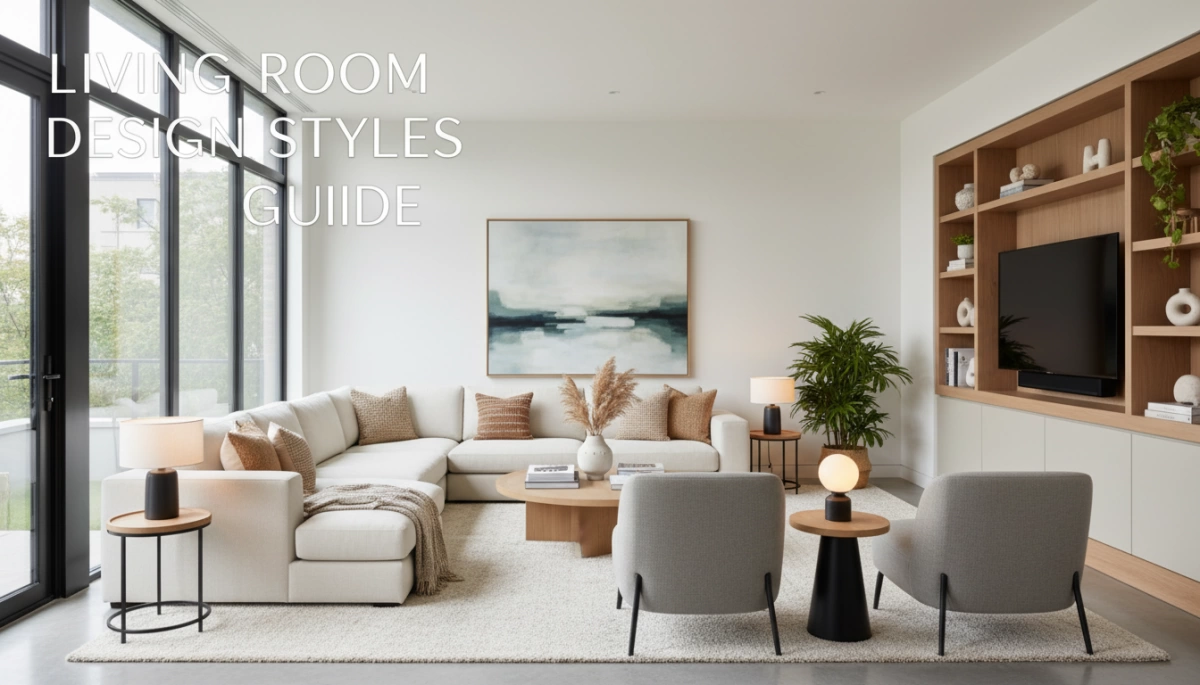
Popular living room design styles (at a glance)
| Style | Look & Feel | Best For |
|---|---|---|
| Modern | Clean lines, low-profile furniture | City apartments, new builds |
| Scandinavian | Bright, airy, simple, cozy (“hygge”) | Small spaces, family homes |
| Boho | Relaxed, layered, lots of textiles | Creative, laid-back personalities |
| Classic | Symmetry, neutrals, timeless pieces | Traditional homes, long-term investment |
| Modern Farmhouse | Warm, rustic + modern clean lines | Suburbs, open-concept homes |
| Minimalist | Less furniture, no visual clutter | Busy lifestyles, small living rooms |
I always start by picking one main interior design style for the living room, then layering in details.
How to pick a style that fits you and your home
Ask yourself:
-
How do I want this room to feel?
- Calm and quiet → Scandinavian, Minimalist, Classic
- Bold and energetic → Modern, Boho
- Warm and homey → Modern Farmhouse, Classic
-
What does the rest of my home look like?
- Keep your living room design ideas in line with your kitchen, entry, and dining.
- Use similar living room color schemes and materials so the house feels connected.
-
What’s realistic for my lifestyle?
- Kids, pets → durable fabrics, washable rugs, fewer fragile decor pieces
- Lots of hosting → flexible living room furniture arrangement, more seating
- Work-from-home corner → clean, modern or Scandinavian to stay focused
Blend styles without creating clutter
A “mix” works. A mash-up doesn’t. I use this simple formula:
- Pick 1 main style (70%)
- Add 1 secondary style (20%)
- Use 10% wildcards (travel finds, vintage, family pieces)
To keep your beautiful living room decor cohesive:
- Stick to one main wood tone and one metal finish (for now)
- Repeat colors at least 3 times in the room (pillow, art, rug, decor)
- Use similar shapes: if your sofa is boxy and modern, avoid overly ornate tables
- Keep patterns in a similar vibe (all soft and organic, or all crisp and geometric)
Quick style combo ideas (that actually work)
- Modern + Scandinavian – clean, bright, cozy: perfect for small living room design
- Classic + Modern – elegant living room ideas that don’t feel stuffy
- Boho + Modern Farmhouse – relaxed, cozy living room ideas with character
The goal: when you stand in the doorway, your living room design should read as one clear story, not a random furniture showroom.
Select a Color Palette That Enhances Beauty
Neutral Living Room Color Schemes as Your Base
For a beautiful living room design, I always start with neutrals. They make the space feel calm, expensive, and easy to update. In most U.S. homes, these work really well:
Great neutral base colors:
- Warm white (cream, ivory)
- Soft beige or greige (gray + beige)
- Light taupe
- Soft gray
Use these neutrals on:
- Walls – keeps the room open and bright
- Large furniture – sofa, big rug, curtains
- Big storage pieces – TV console, media unit
This gives you a flexible backdrop for any living room design ideas or future decor changes.
Use the 60-30-10 Rule for Easy Living Room Color Schemes
To keep your living room decor balanced and beautiful, I stick to the 60-30-10 rule:
| Portion | What It Covers | Color Type |
|---|---|---|
| 60% | Walls, large sofa, big rug | Neutral main color (white, beige) |
| 30% | Accent chairs, curtains, sideboard | Secondary color (soft green, blue, clay) |
| 10% | Pillows, throws, art, vases, decor | Accent color (rust, navy, black, brass) |
This works for:
- Modern living room design
- Cozy living room ideas
- Small living room design (just keep the 60% very light)
Modern, Nature-Inspired Living Room Colors for 2026
Trends for living room color schemes 2026 in the U.S. lean warm, natural, and grounded. I focus on colors that feel calm but still stylish:
Modern, nature-inspired tones:
- Soft clay / terracotta – warm and cozy
- Olive or sage green – relaxed, biophilic, great with wood
- Muted blue-gray – coastal but not cheesy
- Warm sand and caramel – pairs well with black accents
- Deep charcoal or ink blue – for contrast on cabinets, accent walls, or media walls
Use these for:
- Accent walls behind the sofa or TV
- Accent chairs or ottomans
- Pillows, throws, and art
Test Paint and Fabrics in Real Lighting
Lighting in U.S. homes changes a lot during the day, so I never pick a color from a screen or a tiny chip and hope for the best.
Before you commit:
- Get paint samples (peel-and-stick or small cans).
- Paint large swatches on at least two walls.
- Look at them in:
- Morning light
- Afternoon light
- Evening / lamp light
Do the same with fabric swatches for sofas and chairs:
- Lay them on your current sofa or rug.
- Check them next to your wall color and floor.
- See how they look with your lighting and your existing decor.
This step is what keeps your living room color palette from turning muddy, harsh, or totally off once everything is installed. It’s the simplest way to make your living room look professionally designed without blowing your budget.
Plan the Perfect Living Room Layout
Identify your focal point first
In any beautiful living room design, the layout has to start with one clear focal point:
- TV wall – If you mainly watch TV or game, center your sofa and main seating on the TV, keep the screen at eye level when you’re seated, and leave at least 8–10 feet viewing distance for larger screens.
- Fireplace – Angle sofas and accent chairs slightly toward the fireplace for a cozy living room feel, then place the TV off to the side or above only if the height still feels comfortable.
- Big window or view – In many U.S. homes, the view is the star. Float the sofa facing the window, then tuck the TV on a side wall or use a swivel TV so you get both the view and entertainment.
Pick the focal point that matches how you actually live, then build the living room furniture arrangement around it.
Layout ideas for different room shapes and sizes
Here are simple living room layout tips that work in most U.S. homes:
-
Long and narrow living room
- Place the sofa along one long wall.
- Use a slim console or wall-mounted shelves on the opposite wall.
- Add one or two accent chairs near the window or opening.
-
Small living room design
- Choose a compact sofa or loveseat instead of a giant sectional.
- Use nesting coffee tables or an ottoman that doubles as storage.
- Mount the TV on the wall to free up floor space.
-
Open-concept living room
- “Float” the sofa in the middle of the room to define the zone.
- Anchor the space with a large rug that fits all front legs of your seating.
- Use a console table behind the sofa to separate living and dining areas.
These simple layouts keep the space flexible and support a functional living room layout that fits real life.
Keep walkways open and traffic flow smooth
A beautiful living room isn’t just about decor; it has to move well:
- Leave 30–36 inches for main walkways (like from the entry to the kitchen).
- Keep 18 inches between the sofa and coffee table so you can walk and still reach your drink.
- Don’t block doorways with bulky chairs or side tables.
- In U.S. homes with kids and pets, avoid tight corners where people will bump into furniture.
Think of your living room layout like city traffic: no dead ends, no tight jams.
Match furniture size to room proportions
To keep your modern living room design balanced and stylish:
-
In a small living room, skip oversized sectionals and giant coffee tables. Go for:
- Low-profile sofas
- Slim armchairs
- Glass or light wood tables to visually open the space
-
In a larger living room, avoid tiny “floating” pieces that make the room feel empty. Use:
- A full-size sectional or two sofas facing each other
- A larger coffee table centered on the rug
- Bigger art or a gallery wall to fill vertical space
Aim for proportion: furniture should feel anchored to the room, not crammed in or lost. When the size and placement line up with the room’s shape, the whole space feels more intentional, cozy, and put together.
Choose Foundational Living Room Furniture
Pick the right sofa first
Your sofa drives your whole living room design. In the U.S., most of us use the living room to relax, watch TV, and host friends, so the sofa has to work hard.
How to choose the right sofa size:
| Room Width | Sofa Type That Usually Works Best |
|---|---|
| Under 10 ft | Small 2–3 seat sofa or loveseat |
| 10–13 ft | Standard 3-seat sofa |
| 13+ ft | Sectional or sofa + chairs |
- Measure wall length, doorways, and hallways before buying
- Leave at least 30–36 in for walkways
- In apartments, look for apartment-size sofas or modular sectionals
Style + fabric tips:
- Style:
- Modern: clean lines, low profile, neutral fabric
- Classic: rolled arms, higher back, soft neutrals or subtle pattern
- Cozy: deep seats, overstuffed cushions, textured fabrics
- Fabric (U.S. lifestyle–friendly):
- Performance fabric for kids and pets
- Leather for durability and easy cleaning
- Washable slipcovers if you like a lighter, airy look
Choose coffee tables, side tables, and TV units that fit
These pieces should support your living room layout, not fight it.
Coffee table basics:
- Length: about ½ to ⅔ of your sofa length
- Height: same as sofa seat or 1–2 in lower
- Space: leave 16–18 in between sofa and table
Side tables:
- Height: close to the arm of your sofa or chair
- Place one within easy reach of every main seat
- Round tables work well in small living room designs
TV units / media consoles:
| TV Size | Console Width Guide |
|---|---|
| 50″ | At least 55–60″ wide |
| 65″ | At least 70–75″ wide |
| 75″+ | At least 80–85″ wide |
- Keep the center of the TV roughly eye level when seated
- Choose consoles with closed storage for cables, games, and devices
Add accent chairs and benches for extra seating
To keep your living room furniture arrangement flexible and social, layer in lighter pieces.
-
Accent chairs:
- Use 1–2 to face the sofa and create conversation
- Choose styles that complement, not copy, your sofa
- Swivel chairs work great in open-concept living rooms
-
Benches / ottoman benches:
- Slide under a window or behind a sofa
- Use at parties for extra seating
- Pick storage benches if you’re tight on space
Use smart storage: consoles, ottomans, and cabinets
Smart storage is what makes a beautiful living room stay beautiful daily.
High-impact storage pieces:
- Consoles:
- Behind the sofa or along a wall
- Hold lamps, baskets, chargers, keys, mail
- Storage ottomans:
- Double as a coffee table or footrest
- Hide blankets, toys, and games
- Cabinets / credenzas:
- Perfect for books, board games, and media
- Style the top with living room decor: lamps, art, plants
Quick checklist: foundational furniture
- [ ] Sofa fits the room and your lifestyle
- [ ] Coffee + side tables sized right for reach and traffic flow
- [ ] TV unit wide enough with hidden storage
- [ ] Accent chairs and benches add flexible seating
- [ ] Storage pieces control clutter and keep the room calm
Dialing in these core pieces first makes every other living room decorating decision easier and keeps your space both functional and stylish.
Layer Lighting for a Cozy and Functional Living Room
Use Ambient, Task, and Accent Lighting Together
In a beautiful living room design, lighting makes or breaks the space. I always layer three types of light so the room feels cozy and works for real life:
| Type | What It Does | Examples |
|---|---|---|
| Ambient | Overall glow / main brightness | Ceiling lights, recessed cans, large pendants |
| Task | Focused light for activities | Floor lamps by sofa, table lamps, desk lamps |
| Accent | Adds drama, highlights decor | Wall sconces, picture lights, LED strips |
Simple rule: every living room layout should have all three.
Choose Ceiling Lights, Floor Lamps, and Table Lamps
For modern living room design in the U.S., I like a mix that feels stylish but practical:
-
Ceiling lights (ambient)
- Flush mounts or semi-flush for standard ceilings
- A statement chandelier for elegant living room ideas
- Recessed lights for a clean, modern living room design
-
Floor lamps (task + ambient)
- Arc lamps over a sectional or reading chair
- Slim tripod lamps for small living room design
- Place near seating, not in random corners
-
Table lamps (task + accent)
- On side tables, consoles, or media units
- Pair them for balance in symmetrical living room layouts
- Match metal finishes to hardware when you can
Choose shapes and finishes that match your overall interior design living room style (Scandinavian, boho, classic, etc.), but keep it simple so it doesn’t feel cluttered.
Add Dimmers and Warm Bulbs for a Welcoming Glow
If you want cozy living room ideas that actually feel good at night, this part is non‑negotiable:
- Use warm white bulbs:
- 2700K–3000K color temperature = soft, inviting light
- Install dimmers on:
- Main ceiling lights
- Key floor and table lamps (smart bulbs work great)
- Aim for flexible brightness:
- Bright for cleaning and working
- Medium for everyday living room use
- Low and warm for movie nights and guests
This is one of the easiest living room decorating tips to upgrade how “high-end” your space feels.
Highlight Textures, Art, and Key Decor
To get truly beautiful living room decor, use light to show off what matters:
-
Highlight wall art and photos
- Picture lights or adjustable spotlights
- Art looks richer and more intentional
-
Show off texture
- Aim light across brick, wood, or textured walls, not straight at them
- Let rugs, boucle chairs, and woven baskets catch side light
-
Boost focal points
- Add a lamp near the fireplace, console, or feature wall
- Use LED strips in bookshelves or behind the TV for soft glow
Done right, layered lighting turns any functional living room layout into a warm, stylish living space that actually feels good to live in.
Add Texture, Pattern, and Materials
Mix Materials in Your Living Room Design
In a beautiful living room design, texture and materials matter as much as color. I always mix at least 3–4 materials so the space doesn’t feel flat:
- Wood (coffee table, side tables, TV unit) for warmth
- Metal (lamps, legs, hardware) for a modern living room feel
- Glass (coffee table, cabinet doors) to keep things light and open
- Fabric (sofa, accent chairs, ottomans) for comfort and coziness
- Add stone, woven baskets, or leather if you want an elevated, elegant living room look
Aim to repeat each material at least twice so your living room decor feels intentional, not random.
Layer Rugs, Throws, and Cushions for a Cozy Living Room
If you want cozy living room ideas that work in real life, start with layers:
- Rug: Go bigger than you think. At least the front legs of your sofa and chairs should sit on the rug.
- Throws: One or two throws on the sofa or accent chair (not five). Fold or drape them neatly.
- Cushions:
- Mix sizes (20″, 22″, lumbar)
- Mix textures (linen, boucle, knit, velvet)
- Keep a simple color story that matches your living room color scheme
This is an easy way to refresh your living room without buying new furniture.
Use Patterns Without Making the Room Busy
You can still have a clean, modern living room design with pattern—just control the amount:
- Stick to 2–3 patterns max (for example: stripe, small geometric, and a subtle floral)
- Vary the scale: one big pattern, one medium, one small
- Keep patterns in the same color palette so they blend instead of compete
- Use bold patterns on pillows, rugs, or art, not on every surface
If the room starts to feel loud, swap one patterned item for a solid, textured piece.
Balance Smooth and Textured Surfaces
The best living room design ideas always balance sleek and tactile surfaces:
- Pair a smooth leather sofa with a chunky knit throw
- Combine a glossy coffee table with a nubby wool rug
- Offset a flat painted wall with a woven wall hanging or textured art
- Add natural textures like jute, rattan, or linen to soften modern furniture
When you’re done, stand back and ask:
- Do I have a mix of soft + hard, matte + shiny, smooth + textured?
If the answer is yes, your living room will feel richer, more stylish, and much more inviting.
Decor, Art, and Personal Touches
Beautiful living room decor: wall art, mirrors, and frames
I always treat the walls like prime real estate. They do most of the heavy lifting for style.
Quick rules for living room decor:
| What | Do | Skip |
|---|---|---|
| Wall art | Hang at eye level, center over sofa | Tiny art on a huge wall |
| Mirrors | Place across from windows to bounce light | Directly opposite the TV |
| Frames | Keep 1–2 frame colors for a clean look | Too many mismatched frames |
- Go big over small – one large piece usually looks better than lots of tiny ones.
- For a modern living room design, use simple black, white, or natural wood frames.
- For a cozy living room, mix framed art with family photos and soft colors.
- Use mirrors to make a small living room design feel brighter and deeper.
How to decorate a living room: shelves, consoles, coffee tables
Every surface should look intentional, not random.
Simple styling formula (works almost every time):
- Group in 3s: one tall item, one medium, one small.
- Mix shapes: books + a bowl + a candle, or vase + tray + sculpture.
- Use trays: on coffee tables to corral remotes, candles, and coasters.
- Leave empty space: don’t cover every inch; negative space = calm.
For living room furniture arrangement, I keep decor low and out of main traffic paths so nothing gets knocked over.
Add plants and greenery for a fresh feel
Plants are the fastest way to make any living room design feel alive.
Easy plant ideas for U.S. homes:
- Low-maintenance: snake plant, ZZ plant, pothos.
- Cozy vibes: olive tree or fiddle leaf fig in a corner.
- Small spaces: hanging planters, window sills, or a tiny plant on the coffee table.
Use modern planters (matte black, white, or terracotta) to match your living room style.
Personal items without clutter
You want personality, not chaos.
Keep your living room decorating tips tight:
- Limit personal pieces to 1–2 “story” items per surface (travel souvenir, heirloom, favorite book).
- Rotate family photos instead of displaying everything at once.
- Use closed storage (baskets, drawers, lidded boxes) for kid toys, pet gear, and random stuff.
- Keep one “drop zone” basket for everyday items so they don’t spread across the room.
Checklist for beautiful living room decor:
- [ ] One clear style direction (modern, boho, classic, etc.)
- [ ] Wall art sized correctly for the wall
- [ ] Mirrors placed to reflect light, not clutter
- [ ] Surfaces styled with intention, not overstuffed
- [ ] Plants or greenery in at least 2 spots
- [ ] Personal pieces edited, not overflowing
This is how I turn a standard space into a stylish living room that actually feels like home—beautiful, personal, and easy to live in.
Solve Common Living Room Design Problems
Small living room design: make it look bigger and brighter
If your living room is small, every choice matters. I focus on smart living room design ideas that open up the space fast:
- Keep furniture low-profile – sofas with visible legs, slim arms, and armless accent chairs feel lighter.
- Use a light living room color scheme – soft whites, warm beiges, greige, and pale taupe on walls and larger pieces.
- Add mirrors opposite windows – they bounce light and visually double the room.
- Choose a glass or light coffee table – keeps the center of the room open.
- Pull furniture off the walls slightly – it actually makes the room feel larger.
- Layer lighting – a mix of floor lamps, table lamps, and wall sconces keeps a small living room bright and cozy.
This is how I turn tight city apartments or smaller suburban living rooms into airy, beautiful spaces without a full remodel.
Functional living room layout for open-concept spaces
Open-concept spaces are common in US homes, but they can feel messy if the layout is off. I treat the living room like its own “zone” inside the bigger room:
- Define zones with rugs – one for the living room seating, another for the dining area or kitchen if needed.
- Float furniture – use the back of a sofa to subtly separate the living room from the rest of the space.
- Create clear walkways – leave 3 ft of space for main traffic paths.
- Use consistent color and style – keep your living room decor, dining, and kitchen elements in the same design family so it feels intentional.
- Central focal point – decide if the TV wall, fireplace, or large window is the star, then build your living room furniture arrangement around it.
When the layout is planned right, an open-concept living room feels organized, stylish, and easy to live in.
Kid-friendly and pet-friendly living room ideas
I design living rooms to actually work for real life in the US: kids, dogs, cats, and everything in between. You don’t have to give up beautiful living room decor to make it durable.
- Sofa fabric matters – go for performance fabrics, stain-resistant upholstery, or leather that can handle wipes and claws.
- Rounded edges – choose coffee tables and side tables with soft corners for safety.
- Washable rugs – low-pile, flatweave, or washable rugs are key for spills and pet accidents.
- Closed storage – consoles, credenzas, baskets with lids to hide toys, games, and pet stuff.
- Set up zones – a corner with a soft chair and floor cushions for kids’ reading or play, a defined pet bed area away from main traffic.
A kid-friendly, pet-friendly living room can still feel modern, cozy, and elevated if you pick the right materials and layout.
Fix awkward corners, low ceilings, and off-center windows
Most American homes have at least one “problem” spot. I use simple interior design living room tricks to balance them out:
Awkward corners
- Add a floor lamp, tall plant, or accent chair to turn it into a reading nook.
- Use a corner shelf or small cabinet to make it a functional storage zone.
Low ceilings
- Hang curtain rods close to the ceiling, not just above the window, to draw the eye up.
- Use vertical art and tall bookcases to stretch the room visually.
- Choose low-profile sofas and coffee tables so the room doesn’t feel cramped.
Off-center windows
- Extend curtains wider than the window so it looks more centered.
- Balance the wall with art, a mirror, or a tall plant on the opposite side.
- Use symmetrical living room decor (matching lamps or side tables) to trick the eye.
With a few strategic moves, these common design problems disappear, and your living room looks intentional, balanced, and beautifully put together.
Final Styling and Refresh Ideas for a Beautiful Living Room
Do a final edit to avoid visual clutter
Before you call it done, I always do a “room edit.” This is where a beautiful living room either feels high-end or chaotic.
Use this quick pass:
- Remove 20% of decor: Take away one item from every surface (coffee table, console, side tables).
- Clear sightlines: From the entry, sofa, and main chair, make sure you’re not seeing a wall of stuff. Keep key views open.
- Limit small decor: Group small items in 3s or 5s instead of spreading them everywhere.
- Hide the everyday mess: Use baskets, closed storage, and trays to corral remotes, chargers, toys, and mail.
If something doesn’t add to your living room design, it’s working against your beautiful living room decor—pull it out.
Add seasonal and trend-based updates without a full overhaul
You don’t need a total makeover every year. I treat the main living room furniture and color scheme as long-term, and then refresh the rest.
Easy updates for modern living room design:
- Textiles: Swap throw pillows, blankets, and even a small accent rug by season (lighter linen in summer, chunky knits in fall).
- Accent color: Use a new accent hue in candles, vases, and art prints while keeping your main palette the same.
- Trendy pieces: Try 1–2 trend-forward items (a sculptural vase, boucle pillow, or curved lamp) instead of redoing everything.
- Seasonal greenery: Branches in fall, evergreens in winter, fresh greens or flowers in spring and summer.
This approach keeps your living room decorating tips realistic and affordable for everyday US homes.
Check balance, symmetry, and proportions
Once the decor is in place, I step back and look at balance, not just individual pieces.
Quick balance check:
- Height: Make sure there’s a mix of tall, medium, and low elements (floor lamp, art, coffee table) so the eye moves around the room.
- Symmetry: You don’t need perfect matching, but anchor the room—like matching lamps or balanced art on each side of the sofa.
- Proportion:
- Rug big enough to sit under front legs of sofas and chairs.
- Coffee table about 2/3 the sofa width.
- Art roughly 2/3 the width of the furniture below it.
- Angles: Walk around and view the living room layout from the entry, sofa, and side chairs. It should feel calm from every angle, not just one.
These small layout and proportion tweaks are what make a living room look professionally designed.
Simple checklist to keep your living room looking beautiful
Use this easy maintenance checklist so your stylish living room inspiration doesn’t fade after a week:
Weekly:
- Clear off coffee table and side tables, then restyle intentionally.
- Fold throws and fluff pillows.
- Put toys, remotes, and chargers back in their baskets or drawers.
Monthly:
- Rotate decor (books, vases, art) between rooms for a fresh look.
- Edit: remove anything that now feels heavy, cluttered, or out of place.
- Check lighting—make sure all bulbs match in color temperature and still feel warm and cozy.
Seasonally:
- Swap out a few textiles and accents to match the season and living room trends 2026 and beyond.
- Reassess your living room layout tips: is traffic flow still working for how you live now?
Follow this, and your living room design will stay beautiful, functional, and up to date without constant full redesigns.