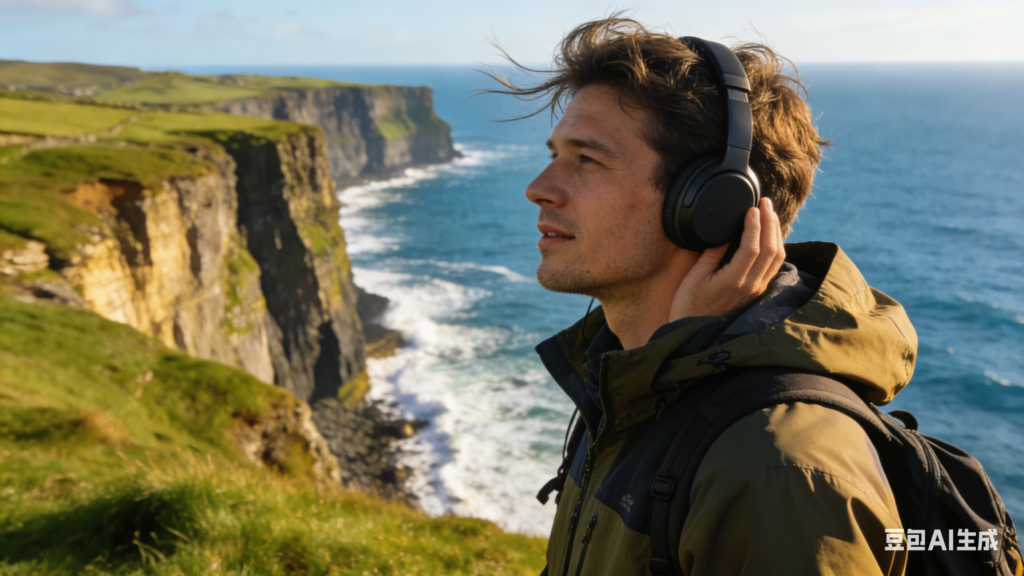
Two years ago, I boarded a train from Paris to the French Alps with my phone glued to my hand, just like every other trip I’d taken in the past decade. I spent the three-hour journey scrolling through Instagram, comparing my upcoming ski trip to influencers’ perfectly curated posts, checking work emails “just in case,” and mapping every minute of my itinerary—down to which café to visit at 3:17 PM. When I arrived in Chamonix, I didn’t even notice the snow-capped Mont Blanc towering above me until my friend tapped my shoulder and said, “Are you here, or are you still in your phone?” That moment hit me like a cold alpine breeze: I’d been traveling the world, but I’d never actually experienced it. So, I made a decision—my next trip would be an unplugged adventure, a digital detox that would force me to disconnect from screens and reconnect with the places, people, and moments that make travel meaningful. What followed changed how I see travel (and life) forever.
The Before: Digital Overload on the Road
Let’s be honest—we’ve all been there. You land in a new city, and the first thing you do is pull out your phone to snap a photo for your story, check Google Maps to make sure you’re going the right way, and text your friends to say “I made it.” By the time you reach your hotel, you’ve spent more time looking at a screen than at the cobblestone streets, the colorful storefronts, or the locals chatting at outdoor cafés. For me, this was the norm. On a trip to Lisbon the year before, I spent an entire afternoon at a pastel-colored tile café, but I didn’t taste a bite of my pastel de nata until I’d taken 27 photos of it from every angle, edited the best one, and posted it with a caption about “slow travel.” I was so busy documenting the moment that I forgot to live it.
It wasn’t just about social media, either. Work emails followed me everywhere—even to the Amalfi Coast, where I’d sit on a cliffside overlooking the Tyrrhenian Sea, responding to messages instead of listening to the waves. I’d use apps to “optimize” my trip: booking tours last minute, reading 50 reviews to pick a restaurant, and even using a language app instead of trying to speak broken Italian with the waiter. I thought I was being a “smart traveler,” but really, I was letting technology mediate every experience. I was present in body, but my mind was elsewhere—stuck in a cycle of scrolling, checking, and comparing.
The Decision: Embracing a Digital Detox
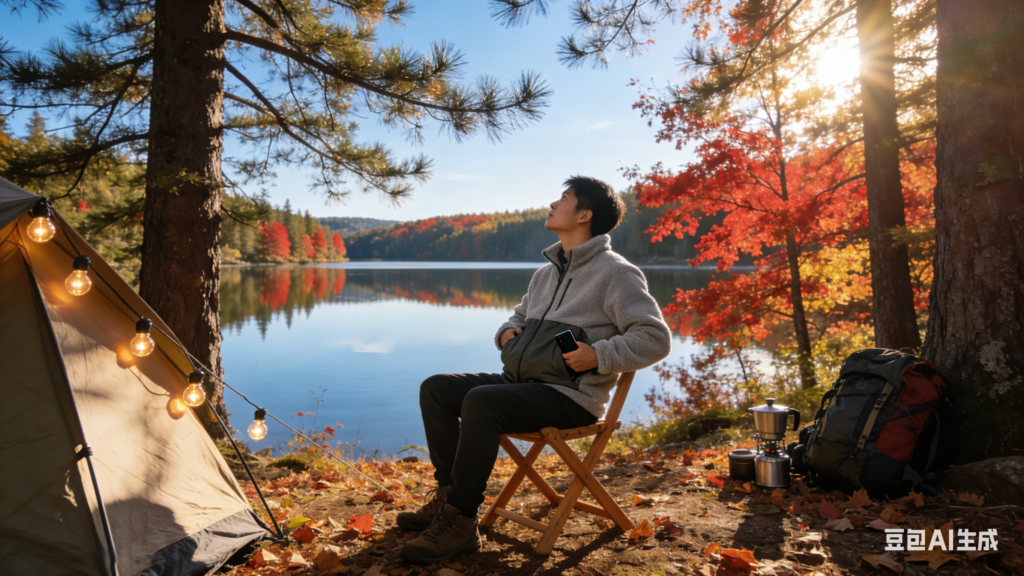
After that eye-opening moment in Chamonix, I decided to try something radical: a two-week digital detox during my upcoming trip to Iceland. I set clear rules: no social media, no work emails, no navigation apps (I’d use paper maps instead), and only using my phone for emergency calls. At first, the thought terrified me. How would I find my way around Reykjavík? What if I missed an important message? What would I do with my hands during downtime? But I reminded myself: I wasn’t traveling to “document” my trip—I was traveling to feel it.
I prepared for the detox like I would any other trip. I printed out my itinerary, marked my routes on a paper map of Iceland, and told my family and friends I’d check in once a day (via a quick phone call, no texts). I even downloaded a few offline podcasts for the long drives, but I promised myself I’d only listen to them if I was alone and had already taken time to soak in my surroundings. On the day I boarded the plane to Reykjavík, I turned off my phone and slipped it into the bottom of my backpack—a small action that felt like a huge weight lifted.
The Transformation: What I Discovered When I Unplugged
Iceland is a country of raw, unfiltered beauty—waterfalls that thunder into glacial rivers, black sand beaches that stretch for miles, and Northern Lights that dance across the night sky. But it wasn’t until I put my phone away that I truly appreciated it. On my first day, I drove along the Golden Circle, and instead of stopping to take photos for Instagram, I sat on a rock by Gullfoss Waterfall and listened. I felt the mist on my face, heard the water crash against the rocks, and watched rainbows form in the spray. For the first time in years, I was fully present—no distractions, no comparisons, just me and the moment.
Without my phone, I started connecting with people in a way I never had before. In a small fishing village on the Snæfellsnes Peninsula, I struck up a conversation with an elderly local named Björn, who invited me into his home for a cup of hot cocoa. He told me stories about growing up in the village, about the fishing industry, and about the Northern Lights he’d watched every winter since he was a boy. We didn’t speak the same language perfectly—he spoke broken English, I spoke even worse Icelandic—but we communicated through gestures, smiles, and shared moments. If I’d had my phone, I would have been scrolling instead of listening, and I would have missed one of the most meaningful connections of my trip.
I also learned to slow down. Without apps telling me where to go next or what to do, I let the day unfold naturally. I spent an entire afternoon wandering the streets of Reykjavík, popping into small bookstores and bakeries, and sitting in a park watching children play. I didn’t have a “plan,” and that’s what made it perfect. I discovered a hidden café with the best skyr cake I’ve ever tasted, a street artist painting murals of Icelandic folklore, and a viewpoint overlooking the city that wasn’t listed on any travel app. These were the moments I would have missed if I’d been glued to my phone—small, unplanned joys that make travel unforgettable.
Bringing the Detox Home: How It Changed My Travels Forever
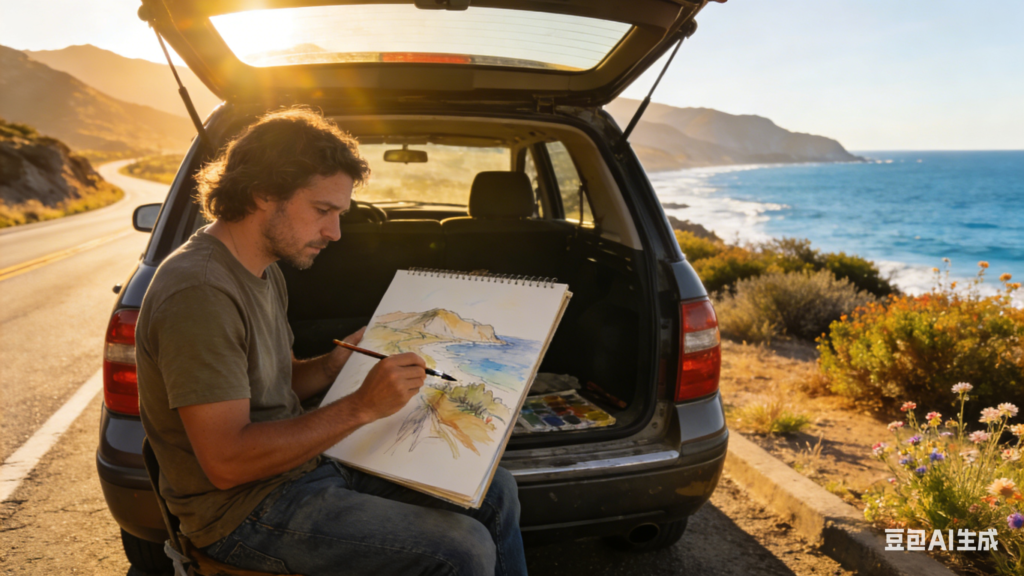
When I returned home from Iceland, I was a different traveler. I didn’t delete my social media or throw away my phone—instead, I learned to set boundaries. Now, when I travel, I put my phone on “do not disturb” during the day, only checking it a few times in the evening to share a quick update with loved ones (no elaborate posts, just a short message or one photo). I still use paper maps for navigation sometimes, and I make a point to put my phone away during meals and conversations. The change has been profound: I notice more, I connect deeper, and I leave each trip feeling refreshed, not drained.
Since that Iceland trip, I’ve taken unplugged adventures across Europe—from hiking the Scottish Highlands to exploring the cobblestone streets of Prague, from lounging on the beaches of the Algarve to wandering the vineyards of Tuscany. Each time, I’m reminded that travel isn’t about capturing the perfect photo or checking off a list of landmarks—it’s about the way the sun feels on your skin, the taste of a local dish you can’t get anywhere else, and the stories you collect from people you meet along the way. Technology is a wonderful tool, but it should never overshadow the magic of being present.
If you’re feeling burnt out by digital overload on your travels, I challenge you to try a mini detox—even just for a day. Put your phone away, grab a paper map, and let yourself get lost. Talk to a local, sit and watch the world go by, and embrace the uncertainty. You might be surprised by how much more you experience when you’re truly unplugged. After all, the best travel memories aren’t stored on your phone—they’re stored in your heart.