
What Is a Digital Nomad?
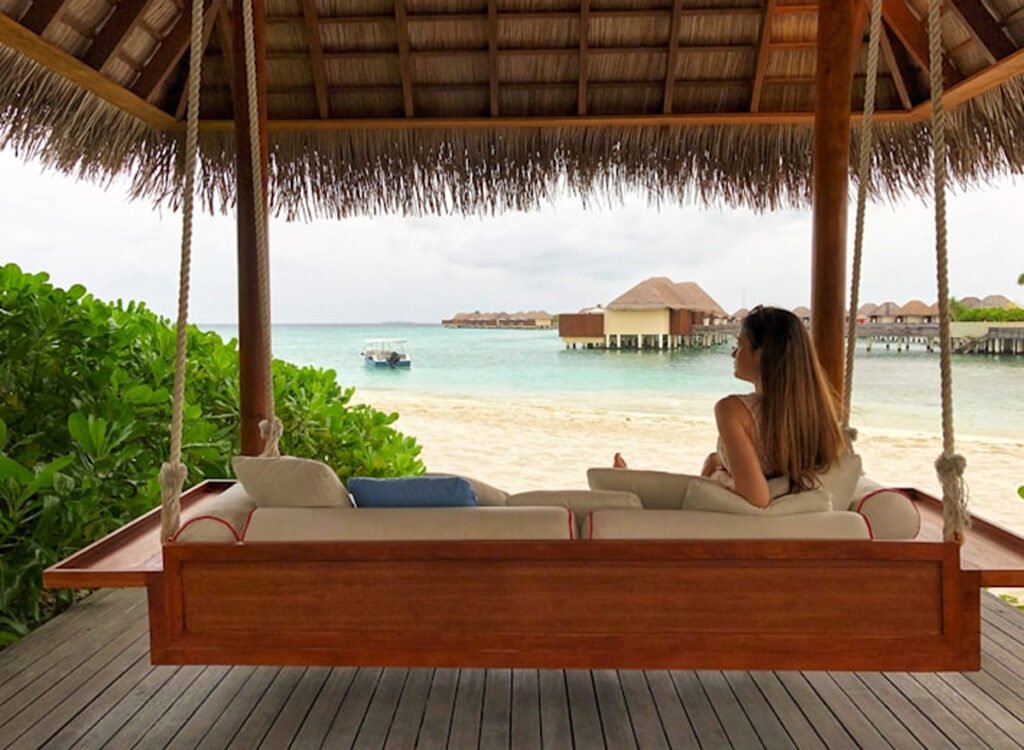
A digital nomad is someone who uses the internet to earn a living while being free to live, travel, and work from anywhere in the world. Your laptop is your office, Wi-Fi is your “commute,” and your home can be a short-term apartment in Lisbon, a coliving space in Mexico City, or a cabin in Colorado.
The digital nomad lifestyle is not about being on permanent vacation. It’s about location independent living: you still work real hours, hit deadlines, and manage clients or employers—just without being tied to one physical office.
How the Digital Nomad Lifestyle Evolved
Digital nomadism has changed a lot in the last decade:
-
Backpacker phase:
Early digital nomads were mostly solo travelers doing budget backpacking, teaching English, or running small online businesses from hostels and cheap guesthouses. -
Professional phase:
After the pandemic, remote work exploded. Now you see:- Software engineers on remote work lifestyle contracts
- Marketers and designers doing online freelance work
- Consultants running online businesses for digital nomads
-
Families and long-term nomads:
More people are going “slowmad” or semi-nomadic:- Couples staying 3–12 months in one place
- Families with kids setting up routines, schooling, and stable bases abroad
- Professionals choosing a few digital nomad destinations they rotate through
This isn’t fringe anymore—it’s a growing, more mature way of living and working.
Digital Nomad vs Remote Worker vs Traveler
These terms get mixed up, but they’re not the same:
-
Digital Nomad
- Works online
- Moves between cities or countries regularly
- Optimizes for work from anywhere jobs, flexibility, and lifestyle
-
Remote Worker
- Works online
- Often has a full-time role with a company
- Might stay in one city (home-based) or travel occasionally
- May follow a hybrid remote work setup (part office, part remote)
-
Traveler
- Main goal is tourism or vacation
- Not necessarily working at all
- Short trips, not long-term location independent living
You can be a remote worker without being a digital nomad. But every digital nomad is, by definition, a remote worker who chooses to take their work on the road.
Common Myths About Digital Nomads
There’s a lot of hype and Instagram noise around this lifestyle. Let’s cut through a few myths:
-
Myth 1: Digital nomads are all influencers.
Reality: Most nomads are developers, designers, writers, marketers, customer support reps, consultants, and freelancers. Social media creators are a small slice of the pie. -
Myth 2: You need a trust fund or rich parents.
Reality:- Many digital nomads are self-employed or have normal salaries.
- They choose lower cost of living for nomads (e.g., SE Asia, Latin America, Eastern Europe) where their income goes further.
- They track their budget for digital nomad life carefully.
-
Myth 3: It’s an endless vacation.
Reality:- You still need remote work productivity and time management.
- You deal with time zone management for remote work, client calls, and deadlines.
- Travel days can kill your workday. Stable routines matter more than poolside selfies.
-
Myth 4: It’s unstable and reckless by default.
Reality:
With clear planning—digital nomad insurance, multi-currency accounts, realistic budgets, and smart long term travel planning—this can be a responsible, intentional lifestyle, not a chaotic escape.
The digital nomad lifestyle isn’t a fantasy or a scam; it’s simply a different way to design your work and life around freedom, flexibility, and personal priorities, with its own trade-offs and responsibilities.
Who can become a digital nomad?
Anyone who can do their work online can become a digital nomad. You don’t need to be a coder, influencer, or trust-fund kid. You do need skills people are willing to pay for, plus the discipline to work without someone looking over your shoulder.
If you’re in the U.S., think of it this way: if your current job could realistically be done from home long term, it can probably be done from Mexico City, Lisbon, or Medellín with the right setup and planning.
Skills and traits that actually matter
The digital nomad lifestyle rewards a specific mix of skills and personality traits more than a specific job title:
Core skills for digital nomad jobs:
- Digital-first skills
- Writing, design, marketing, coding, sales, customer support, project management
- Any “laptop job” that doesn’t require you to be in a physical office
- Communication
- Clear written communication (Slack, email, client updates)
- Video call etiquette across time zones
- Self-management
- Hitting deadlines without a boss around
- Planning your week around both work and travel
Personality traits that help:
- Low drama, high responsibility – you own your work, no excuses
- Problem-solver mindset – bad Wi-Fi, delayed flights, noisy Airbnb… you adapt
- Comfort with uncertainty – plans change, and you’re okay with that
- Respectful and curious – you’re in someone else’s country; you act like a guest
You don’t need to be super extroverted, ultra-adventurous, or a minimalist. You do need to be able to work consistently, even when the beach is 10 minutes away.
Mindset shifts before going location independent
To really live a digital nomad lifestyle, you need to shift how you think about work, money, and comfort:
- From vacation mindset → work-first mindset
You’re not on endless holiday. You’re living normal life, just in different places. - From stability → flexibility
You give up some stability (routine, office, long-term lease) for freedom and choice. - From consumer → builder
You’re not just “using” remote work; you’re actively designing your lifestyle. - From “I’ll figure it out later” → “I plan first, then jump”
Income, visas, insurance, and backup plans need to be handled before you go.
If you can see travel as a backdrop to your work—not a distraction—you’re already thinking like a sustainable digital nomad.
Self-assessment: Is the digital nomad lifestyle for you?
Run through this quick checklist. The more “yes” answers, the better digital nomad fit you probably are:
Work & skills
- I have (or can build) at least one skill people pay for online.
- I’m comfortable communicating with clients/teams over email and video.
- I can sit down and work for a few focused hours without someone watching me.
Lifestyle & personality
- I’m okay not having a fixed home base for a while.
- I can handle flight delays, language barriers, and small problems without melting down.
- I want experiences and freedom more than “stuff” and a big apartment.
Money & responsibility
- I’m willing to budget, track expenses, and think ahead financially.
- I’m prepared to set up insurance, backup cards, and emergency savings.
- I’m okay earning less at first while I build a location independent income.
If most of these are “no,” you might still travel—just with a slower transition or a hybrid remote work setup instead of going fully nomadic right away.
Common fears about becoming a digital nomad (and how to think about them)
Money fears
“What if I run out of money?”
- Start with 3–6 months of expenses saved as a runway.
- Choose low cost of living digital nomad destinations (Latin America, Southeast Asia, Eastern Europe) to stretch your budget.
- Keep a U.S. side income (remote job, part-time freelance, or client retainers) while you test the remote work lifestyle.
Safety fears
“Is it safe to be a solo digital nomad?”
- Pick well-known digital nomad hubs first (Mexico City, Lisbon, Chiang Mai, Medellín, Playa del Carmen).
- Stay in central, well-reviewed neighborhoods, not the cheapest place on the map.
- Use common sense: no flashing valuables, use ride-share apps, trust your gut, avoid drunk wandering at 2 a.m.
- Join nomad communities and coworking spaces so you’re not isolated.
Stability fears
“What about long-term stability and my future?”
- Being location independent doesn’t have to be forever. You can:
- Go semi-nomadic (travel part of the year, U.S. base the rest)
- Use your nomad years to build skills, savings, and an online business
- Return to the U.S. with a stronger resume: remote work experience, global perspective, self-management
The digital nomad lifestyle isn’t an escape hatch from real life. It’s a different version of real life—with its own trade-offs. If you accept that going in, you’re far more likely to build a sustainable remote work lifestyle instead of burning out after a few months.
Digital nomad skills and jobs
If you want a digital nomad lifestyle, you need skills that travel well, not just a laptop. I’ll keep this tight and practical.
Most popular digital nomad jobs in 2026
These are the work-from-anywhere jobs I see most often:
- Freelance writing & content (blog posts, SEO content, email marketing)
- Social media management & UGC for brands
- Web design & no-code website building (Webflow, WordPress, Shopify)
- Software development & app development
- Online coaching & consulting (business, fitness, career, marketing)
- Virtual assistant / online operations support
- Online teaching & tutoring (English, test prep, niche skills)
- Video editing & content repurposing for creators and businesses
All of these work great with a remote work lifestyle and location independent living.
Remote-friendly careers you can transition into
If you’re in the US with a traditional job, these are realistic “transition” paths:
- Marketing & growth roles (content, performance, email, CRM)
- Customer success & support (SaaS companies love remote)
- Project management / operations (remote-first startups)
- Sales & account management (especially inside sales / SDR / AE)
- Data analysis & BI (fully laptop-based)
- HR, recruiting, and talent acquisition (remote hiring is standard now)
Look for companies that already hire remotely in the US; those are your best bets.
High-income skills that work well on the road
If you want income that actually supports long-term digital nomad life:
- Copywriting & direct response
- Paid ads (Meta, Google, TikTok)
- Funnel building & marketing automation
- Tech skills (backend / frontend dev, DevOps, cloud)
- UX/UI design
- High-ticket sales & closing
- SEO strategy & analytics
Focus on skills that:
- Can be done async (no constant calls)
- Are in global demand
- Don’t require you to be glued to one time zone
Where to find remote work and freelance clients
For remote jobs for travel and online freelance work, start here:
Remote job boards:
- We Work Remotely
- Remote OK
- FlexJobs (paid, but curated)
- Indeed + LinkedIn (filter: “remote” in United States)
Freelance platforms for nomads:
- Upwork
- Fiverr
- Contra
- Toptal (for devs, designers, finance)
Direct outreach:
- Make a short portfolio site
- DM US-based founders/CMOs on LinkedIn
- Offer a small, specific win (audit, mini-project) instead of “Let me know if you need help”
How to turn your current job into a remote role
If you’re already employed in the US and want location independent living without quitting:
- Prove it works locally first
- Ask for 1–2 remote days per week
- Show you’re more productive, not less
- Build a clear proposal
- How you’ll handle meetings, time zones, communication
- What tools you’ll use (Slack, Zoom, project management)
- How you’ll measure results (KPIs, weekly reports)
- Pitch it as a win for your employer
- You’ll be available across more time zones
- You’ll save commute time = more focused work
- They keep a skilled employee instead of rehiring
- Negotiate a trial period
- 30–90 days fully remote
- Regular check-ins to show it’s working
If your company refuses without a good reason, that’s a sign to start hunting for true remote-friendly companies and work-from-anywhere jobs.
The digital nomad lifestyle isn’t about chasing Instagram moments; it’s about stacking the right skills, picking the right digital nomad jobs, and building work that fits your life—not the other way around.
How to become a digital nomad step by step
Becoming a digital nomad isn’t about quitting your job and buying a one-way ticket overnight. It’s a practical, staged move into a location independent lifestyle. Here’s how I’d do it step by step.
Plan your income and runway
Before you “work from anywhere,” make sure you can actually earn from anywhere.
Figure out your numbers:
- Target monthly income:
- Bare minimum (survival): rent/airbnb + food + insurance + transport + phone + subscriptions + debt
- Add 20–30% buffer for surprises.
- Runway goal:
- Aim for 4–6 months of expenses in cash before you leave.
- If your income is unstable (freelance/agency), target 6–9 months.
Build/stack income streams:
- Keep your U.S. job and negotiate remote.
- Add freelance work (Upwork, Fiverr, Contra, direct outreach).
- Start a small online business (coaching, digital products, affiliate, Shopify, etc.).
Your goal: by the time you leave, you’re already covering 100%+ of your expected digital nomad cost of living.
Build a simple financial safety net
Treat this like a business, not a vacation.
Non‑negotiables:
- Emergency fund:
- Minimum: $3,000–$5,000
- Better: 3–6 months of your realistic nomad expenses in a U.S. high-yield savings account.
- Separate accounts:
- Checking: daily spending
- Savings: emergency + tax
- Business account: if you freelance or run an online business
- Credit access:
- At least one no‑foreign‑transaction‑fee credit card
- Keep limit available for real emergencies, not daily splurges.
Tax & insurance basics:
- Set aside 20–30% of income in a separate “tax” bucket.
- Get digital nomad insurance / travel health insurance before you leave the U.S.
Test remote work with hybrid or part‑time
Don’t guess if the remote work lifestyle fits you—test it.
If you’re employed:
- Ask for 1–2 remote days per week first.
- Prove you’re more productive, not less.
- Then negotiate a fully remote or hybrid remote setup with clear expectations.
If you freelance or run an online business:
- Work from:
- A local coworking space
- Different coffee shops
- A friend’s place in another city for a week
- Practice:
- Time zone management with U.S. clients
- Using remote tools (Slack, Zoom, Notion, Google Workspace, VPN)
If you struggle to focus at home or in cafes in the U.S., life as a digital nomad won’t magically fix that.
Set a realistic timeline to go location independent
Treat your digital nomad transition like a project with a due date.
Example 6–12 month plan:
- Month 1–2:
- Audit expenses, build a simple budget
- Start or ramp up freelance/side income
- Month 3–4:
- Hit at least 60–70% of your nomad target income
- Negotiate remote or add more clients
- Month 5–6:
- Hit 100% of your target income for at least 3 straight months
- Build emergency fund, choose first city
- Month 7–12 (if needed):
- Clear high‑interest debt
- Tighten systems (invoicing, banking, backup plans)
- Set a hard departure date and book your first stay
The timeline is flexible, but the rule is simple: income + savings first, flights second.
Checklist before you book that one-way ticket
Before you commit to work from anywhere travel, run through this quick checklist:
Money & work:
- [ ] I can cover at least 3–4 months of expected nomad expenses.
- [ ] I have emergency savings separate from daily spending.
- [ ] I’ve earned remotely for at least 3–6 months already.
- [ ] I understand how I’ll get paid abroad (online banking, multi‑currency accounts, PayPal, Wise, etc.).
Legal & logistics:
- [ ] My passport is valid for 12+ months.
- [ ] I checked visa requirements for my first country (tourist vs digital nomad visa).
- [ ] I have digital nomad / travel health insurance.
- [ ] I have a simple U.S. tax plan and know where my tax home is (talk to a pro if needed).
Life & safety:
- [ ] I have backups of key documents (cloud + physical).
- [ ] I told close family/friends my rough plan and emergency contacts.
- [ ] I tested working from different places and can actually focus.
Once this list is mostly a “yes,” you’re not dreaming about being a digital nomad—you’re ready to start living it.
Money, budgeting, and cost of living for digital nomads
When you strip away the Instagram noise, the digital nomad lifestyle is mostly about cash flow management and cost of living arbitrage. You earn in strong currencies (often USD) and spend in cheaper places. If you’re in the U.S., you already know what rent and healthcare feel like—travel can actually be the cheaper option if you do it right.
Typical digital nomad cost of living by region
Rough ranges for one person, living decently (not luxury, not super frugal):
- Latin America (Mexico, Colombia, Brazil):
$1,200–$2,000/month – Great value, solid internet, big nomad hubs. - Southeast Asia (Thailand, Vietnam, Indonesia):
$1,000–$1,800/month – One of the best cost/value ratios. - Eastern Europe / Balkans (Portugal is higher):
$1,400–$2,300/month – Walkable cities, good infrastructure. - Southern Europe (Spain, Italy, Portugal, Croatia):
$1,800–$2,800/month – Higher rent, but still cheaper than many U.S. cities. - High-cost hubs (US, UK, Western Europe, Singapore):
$2,500–$4,000+/month – You’ll feel it unless your income is strong.
These ranges assume longer stays (slow travel), not bouncing around every week.
How much money you really need to start
If you’re in the U.S., I’d treat digital nomad life like launching a small business: reduce risk, build runway, then move.
Baseline numbers I use:
- Emergency fund:
Aim for 3–6 months of living expenses in cash (not investments). - Runway before you leave:
- If you already have a stable remote job: 1–3 months runway minimum.
- If you’re freelancing or building an online business: 4–6+ months runway.
- Income target before you go “fully nomad”:
- $1,500–$2,000/month income: Works in cheap regions if you’re careful.
- $2,500–$3,500/month income: Comfortable in most digital nomad destinations.
- $4,000+/month income: More freedom + option to spend time in pricier cities.
Sample monthly budgets for different digital nomad lifestyles
Approximate numbers for one person, not counting big annual expenses like flights home or new laptop.
1. Lean digital nomad budget (SE Asia / Latin America) – ~$1,200–$1,500
- Rent (studio / room / long-stay Airbnb): $450–$600
- Food (mix of cooking / local spots): $250–$350
- Workspace (coworking or extra coffee): $80–$150
- Phone + data + VPN: $40–$70
- Local transport: $40–$80
- Health insurance (nomad/travel plan): $80–$150
- Fun, gym, extras: $200–$300
2. Comfortable remote work lifestyle – ~$1,800–$2,400
- Better apartment (1BR, central): $700–$1,000
- Eating out more + coffee: $350–$450
- Coworking full-time: $120–$200
- Higher insurance + subscriptions: $150–$250
- Activities, weekend trips, dating, etc.: $300–$500
3. “U.S.-standard comfort” in pricier hubs – $2,800–$3,800+
This is closer to what you probably spend in a mid-tier U.S. city now. The big win is flexibility, not just savings.
How to manage variable income on the road
If your income goes up and down (freelance, online business, commissions), the key is to smooth out the volatility:
- Use separate accounts
- Income account: All payments land here.
- Operating account: You “pay yourself” a fixed monthly amount.
- Tax savings account: Move 25–30% of income here if you’re a U.S. citizen (talk to a CPA).
- Pay yourself a “salary”
Decide a monthly number (say $2,000) and stick to it, even if you make $3,000+ one month. Surplus becomes buffer. - Build a buffer on top of your emergency fund
I like keeping 1–2 extra months of expenses in a separate “income buffer” account. - Track cash flow weekly
Use something simple (Notion, a Google Sheet, or an app like YNAB / Monarch) and track:- Income this month
- Fixed costs (rent, insurance, subscriptions)
- Variable costs (food, transport, fun)
- Remaining runway (months you can survive if income drops to zero)
Money-saving strategies for digital nomads (that actually work)
If you’re coming from the U.S., these are the levers that matter most for a sustainable remote work lifestyle:
- Slow travel > fast travel
- Stay 1–3 months in one place.
- Long stays = big discounts on rent and less spent on transport.
- Less burnout = better work, more stable income.
- Negotiate housing hard
- For Airbnbs, always ask for monthly discounts (30–50% isn’t rare off-season).
- Check local Facebook groups, coliving spaces, and WhatsApp groups—often cheaper than Airbnb.
- House sitting / pet sitting
- Platforms like TrustedHousesitters can cut housing costs close to zero if you’re flexible.
- Works best if you’re okay with quieter, more “local” stays.
- Travel off-peak and avoid “digital nomad trap” cities in high season
- Prices in places like Lisbon, Mexico City, Bali, Barcelona spike hard during peak months.
- Look for secondary cities or shoulder seasons (just before/after high season).
- Optimize banking and fees
- Use online banking and multi-currency accounts (Wise, Revolut, or a U.S. bank with low foreign fees).
- Avoid ATM fees and terrible FX rates; this adds up fast.
- Cook a few meals at home
- Eating out is cheaper abroad than in the U.S., but daily restaurants still add up.
- Basics: breakfast at home, coffee at home or coworking, dinner out a few times a week.
If you get the money, budgeting, and cost of living side right, the digital nomad lifestyle becomes a lot less stressful. From a U.S. perspective, the game is simple: earn in dollars, spend in cheaper digital nomad destinations, travel slower than your Instagram feed wants you to, and treat your life like a lean, profitable remote business.
Digital nomad visas and legal basics
If you want a real digital nomad lifestyle (not visa runs and stress), you need to understand digital nomad visas, taxes, and money logistics. Here’s the short, practical version for U.S.-based remote workers.
What is a digital nomad visa?
A digital nomad visa is a temporary residence permit that lets you:
- Live in a country while you work remotely for a foreign employer or your own online business
- Stay longer than a tourist visa (usually 6–24+ months)
- Often renew if you meet income and security requirements
Basic idea: you earn abroad, spend locally, and don’t compete with local jobs.
How it works in practice:
- You apply online or at a consulate.
- You prove remote income, health insurance, and a clean record.
- Once approved, you enter the country and register your address (if required).
- You follow local rules on length of stay, taxes, and renewals.
Popular digital nomad visa countries in 2026
Requirements change fast, but as of 2026, here are popular digital nomad destinations with remote work–friendly visas:
- Portugal – Digital nomad visa + D7; good for long-term, strong community.
- Spain – Spain digital nomad visa with solid infrastructure and lifestyle.
- Croatia – Remote work residence; beautiful and relatively affordable.
- Greece – Digital nomad residence permit; mix of islands and cities.
- Estonia – One of the first digital nomad visas; great for online entrepreneurs.
- Italy – Digital nomad options emerging; good for slower, premium living.
- Costa Rica – “Rentista”/remote worker routes; popular with U.S. nomads.
- Mexico – No classic nomad visa, but Temporary Resident Visa works well.
- Colombia – Digital nomad visa aimed at remote workers and online freelancers.
- Thailand – Various long-stay and remote-friendly visa options evolving.
Always confirm current rules on official government or embassy sites before you apply. Laws move faster than blog posts.
Key digital nomad visa requirements, fees, documents
Most digital nomad visa requirements look similar across countries:
Typical requirements
- Minimum monthly income: often $1,500–$3,500+
- Proof of remote work:
- Employment contract, or
- Client contracts/invoices, or
- Company registration if you own a business
- Health insurance that covers you in that country (often full travel health insurance for remote workers)
- Clean criminal record (FBI background check for U.S. citizens in some cases)
- Valid passport (usually with 6–12+ months remaining)
- Bank statements (last 3–6 months)
Typical fees
- Visa application fee: $80–$400+
- Possible residence card fee on arrival
- Translation / notarization / apostille costs for documents
Tip for U.S. digital nomads:
Collect and store everything in digital form:
- PDF of passport, birth certificate, tax returns, contracts, bank statements
- A basic one-page income with links or screenshots
- A clean, consistent remote work story (who you work for, how long, how you get paid)
Tax basics for digital nomads (not legal advice)
This is not legal or tax advice, just the mental model I use as an entrepreneur.
If you’re American:
- The U.S. taxes you on worldwide income, no matter where you live.
- You may qualify for:
- Foreign Earned Income Exclusion (FEIE)
- Foreign Tax Credit (if you pay tax abroad)
- Moving abroad does not automatically remove your U.S. tax obligations.
- A digital nomad visa may create tax residency in that country if:
- You stay 183+ days in a year, or
- You have a strong “center of life” there (home, family, business).
Practical steps:
- Work with a U.S. tax pro who understands digital nomads / expats.
- Track your days in each country with an app.
- Keep clean records of:
- Where you were
- Where you earned your money
- Where you paid taxes
You don’t want to figure this out after a scary letter from a tax agency.
Banking, payments, and international transfers
Getting paid and moving money smoothly is a core part of a digital nomad lifestyle.
For U.S.-based remote workers and freelancers:
-
Primary U.S. bank
- Choose a bank with:
- Strong online banking
- Low or reimbursed ATM fees
- Good fraud protection
- Keep this as your main “home base” account.
- Choose a bank with:
-
Multi-currency accounts & online banks
- Consider tools like Wise, Revolut, or Payoneer for:
- Holding multiple currencies
- Getting local bank details (EUR, GBP, etc.)
- Cheaper international money transfers
- Consider tools like Wise, Revolut, or Payoneer for:
-
Getting paid for digital nomad jobs
- For clients and remote work:
- Use Stripe, PayPal, Wise, Payoneer, or direct ACH for U.S. clients.
- Set clear payment terms (currency, due dates, fees).
- Avoid letting clients pay you in random local currencies unless you’re set up for it.
- For clients and remote work:
-
Cards & payments while traveling
- Carry at least two debit cards and two credit cards from different banks.
- Choose cards with:
- No foreign transaction fees
- Good travel rewards (flights, hotels, or cashback)
- Always keep one card separate and unused as a backup.
-
Security basics
- Use a VPN for remote work and online banking (especially on public Wi-Fi).
- Turn on two-factor authentication for all banking and payment apps.
- Keep emergency cash: $200–$400 hidden separately.
When you combine a legal visa, basic tax awareness, and solid online banking for travelers, your digital nomad lifestyle becomes a lot less stressful and a lot more sustainable.
Best countries for digital nomads in 2026
When I think about the best countries for digital nomads in 2026, I’m looking at four things:
cost of living, internet, safety, and visa options. If you’re in the U.S. and planning a remote work lifestyle, you also want reasonable flights, time zones that match your clients, and easy banking.
Below is a quick breakdown of how I’d choose where to go, plus specific digital nomad destinations that actually work in real life.
How to choose a digital nomad destination that fits your goals
Before you pick a country, decide what you want this season of your digital nomad lifestyle to do for you:
Ask yourself:
- Is your priority: saving money, leveling up your career, or enjoying travel?
- Who do you work with: US-based teams, global clients, or your own business?
- What do you need: strong tech communities, nature, nightlife, or family-friendly setups?
- How long will you stay: a few weeks, a few months, or semi-long-term?
Then filter destinations with this checklist:
- Time zones for remote work
- East Coast clients → Europe, Africa, South America work great
- West Coast clients → Latin America and some Pacific/Asia locations
- Cost of living for nomads
- Can you live on 50–60% of your income comfortably?
- Digital nomad visa requirements
- Do they have a digital nomad visa or at least friendly tourist stays?
- Safety
- Check recent info, not just headlines (city and neighborhood matter more than country averages).
- Community
- Look for coworking spaces abroad, nomad communities, and meetups so you’re not isolated.
Top budget-friendly digital nomad hubs
If you’re starting from the U.S. and want to keep your budget for digital nomad life low while you get stable income, these are strong options:
1. Mexico (CDMX, Guadalajara, Playa del Carmen, Mérida)
- Pros:
- Short flights from the U.S., similar time zones
- Strong nomad communities and coworking hubs
- Easy to mix with locals and expats
- Why I like it: perfect for remote work lifestyle beginners who still want quick trips home.
2. Colombia (Medellín, Bogotá)
- Pros:
- Great climate, low cost of living
- Good internet and solid coworking spaces
- Growing remote work and startup scene
- Note: Choose good neighborhoods and be smart with safety habits.
3. Eastern Europe & the Balkans (Tbilisi, Budapest, Lisbon-adjacent prices in some places)
- Pros:
- Affordable for Europe, great café culture, fast internet
- Easy to bounce around different countries
- Best for: US nomads who want Europe without San Francisco-level prices.
4. Southeast Asia (Chiang Mai, Da Nang, Bali’s cheaper areas)
- Pros:
- Very low cost of living, strong nomad coworking hubs
- Tons of online freelance workers and entrepreneurs
- Tradeoff: Large time difference with U.S. clients; nights and early mornings may be your work hours.
Mid-range and premium nomad spots with strong infrastructure
If you’ve got stable income from digital nomad jobs or your online business, there are higher-price destinations with top-tier quality of life:
1. Portugal (Lisbon, Porto, Madeira)
- Fast internet, great safety, strong nomad communities
- Popular digital nomad visa routes and long-stay options
- Easy flights to the U.S., especially East Coast
2. Spain (Valencia, Barcelona, Canary Islands)
- Good mix of city, beach, and islands
- Growing digital nomad infrastructure and remote work culture
3. Singapore & Hong Kong (for short stints)
- Premium remote work infrastructure, blazing internet, top banking systems
- High cost, but unbeatable if you need a serious, business-focused base in Asia
4. Dubai & UAE
- Strong digital nomad visa programs and business-friendly laws
- Excellent safety, modern infrastructure, great flight connections worldwide
These spots are ideal if you value:
- Reliable healthcare
- Fast legal/banking processes
- Comfortable, predictable daily life
Underrated emerging digital nomad destinations
Some digital nomad destinations don’t get as much hype yet but are worth watching:
- Uruguay (Montevideo): Stable, safe, laid-back, great for long-term location independent living
- Taiwan (Taipei): Super safe, great food, reliable internet, friendly to foreigners
- Malaysia (Penang, Kuala Lumpur): Affordable, multicultural, good flight connections around Asia
- Romania (Bucharest, Cluj-Napoca): Great internet, low prices, emerging tech scene
- South Africa (Cape Town): Insane scenery, active outdoor lifestyle, growing nomad community (time zone matches Europe)
If you’re US-based, these “second-tier” hubs are where you can often find:
- Better value apartments
- Less crowded coworking spaces
- A more chill, sustainable slow travel lifestyle
Seasonal tips for moving between regions
One of the biggest work from anywhere hacks is to use seasons to your advantage—for comfort and for money.
Here’s how I’d plan a year as a US-based digital nomad:
-
Winter (Dec–Feb)
- Head to: Mexico, Colombia, Canary Islands, Dubai, Southeast Asia
- Why: Warm weather, cheaper than U.S. winter cities, tons of nomads
-
Spring (Mar–May)
- Head to: Southern Europe (Portugal, Spain, Greece), Georgia, Turkey
- Shoulder season = better prices, fewer tourists, good weather
-
Summer (Jun–Aug)
- Head to: Eastern/Northern Europe (Poland, Czechia, Baltics), highland areas in Latin America
- Avoid: The most expensive Western European hot spots unless your income is strong
-
Fall (Sep–Nov)
- Head to: Balkans, Portugal, Mexico again, South Africa
- Great time to settle in somewhere for slowmad lifestyle and focus on work
Rules of thumb:
- Follow shoulder seasons (just before/after peak travel) to save on rent and flights.
- Use slow travel (1–3 months per spot) to cut costs on transport and avoid burnout.
- Keep an eye on digital nomad visa requirements so you can stay longer legally when you find a place you really like.
If you plan smart, you can keep your cost of living for nomads below what you’d pay for rent and car payments in many U.S. cities, while building a sustainable, long-term remote work lifestyle.
Digital nomad accommodation basics
As a digital nomad, housing, internet, and workspaces are the backbone of your remote work lifestyle. If those three fail, nothing else works. Here’s how I handle it in a simple, repeatable way.
How to find digital nomad housing (short + long term)
I treat housing like a work decision, not a vacation decision.
Where I actually look:
- Airbnb / Furnished Finder / Vrbo – for 2–8 week stays (use “desk,” “Wi-Fi,” “workspace” in filters)
- Booking.com – for flexible, short stays while I scout neighborhoods
- Facebook Groups – “[City] digital nomads,” “expats,” “housing”
- Coliving spaces – built for remote work lifestyle (Wi-Fi + community bundled)
- House sitting platforms – TrustedHousesitters, Nomador (great for budget digital nomad life)
Non‑negotiables I always check:
- Fast, reliable Wi‑Fi
- Workspace (desk + chair)
- Walkable or easy transit access
- Noise level (avoid clubs, highways, construction)
- Safety ratings + recent reviews
How to check Wi‑Fi and workspace before you commit
Never trust “Good Wi‑Fi” in a listing. I always verify.
What I ask hosts (copy/paste this):
- “What’s your internet speed in Mbps (upload + download)?”
- “Is the connection fiber or mobile hotspot?”
- “Can you send a screenshot of a speedtest.net result?”
- “Is there a desk or table I can work from with a chair?”
- “How stable is the internet during the day and at night?”
My basic minimum for work-from-anywhere jobs:
- 25 Mbps down / 10 Mbps up for video calls
- Above 50 Mbps if I upload large files or do creative / tech work
If I’m unsure, I book 2–3 nights first, test everything, then extend.
Coworking vs cafes vs home office
Each setup has pros and cons. I mix them based on my workload.
Coworking spaces abroad (best for focus):
- Pros: stable Wi‑Fi, quiet, office chairs, meeting rooms, nomad communities
- Cons: monthly cost, commute, sometimes packed or noisy
Cafes (good for light work):
- Pros: flexible, cheap, great for writing and emails
- Cons: unreliable Wi‑Fi, no privacy, awkward for long Zoom calls
Home office (Airbnb or apartment):
- Pros: private, no commute, ideal for U.S. time zone calls
- Cons: lonely, easy to overwork, depends heavily on the host’s setup
My rule:
- Deep focus / client calls → coworking or home
- Admin / planning / writing → cafes
- Long-term base in one city → coworking membership
Finding quiet, productive places in new cities
When I land somewhere new, my first priority is a solid work base.
How I scout quickly:
- Search “[city] coworking spaces” + check Google Maps reviews
- Browse nomad forums, Reddit, and nomad communities for Wi‑Fi tips
- Walk the area and listen: traffic, bars, construction = productivity killers
- Sit in a cafe for 10 minutes – if it’s loud or chaotic, I don’t plan to work there
Tools that help:
- Workfrom, Coworker, Google Maps “Wi‑Fi” + “coworking” filters
- Noise‑canceling headphones to turn almost any corner into a workspace
Safety, neighborhoods, and local red flags
As a U.S.-based remote worker, I treat safety seriously, especially when I’m carrying a laptop everywhere.
Before I book:
- Check Google Maps and Street View for the building and surrounding blocks
- Read the lowest star reviews on Airbnb / Booking for mentions of safety
- Search “Is [neighborhood] safe for solo travelers / digital nomads?”
Red flags I don’t ignore:
- No photos of the building exterior or street
- Reviews mentioning theft, break‑ins, or sketchy people nearby
- Poor lighting, empty streets at night, or no sidewalk
- Host avoiding basic questions about the area, internet, or building
On the ground, I keep it simple:
- I avoid flashing my laptop/phone on the street
- I use ride shares at night in unfamiliar areas
- I work from coworking hubs or known nomad spots when I’m unsure
Dialing in accommodation, internet, and workspaces is what makes the digital nomad lifestyle sustainable. Once those are solid, everything else gets easier: productivity, income, and actually enjoying where you are instead of fighting bad Wi‑Fi all day.
Daily digital nomad routine that actually works
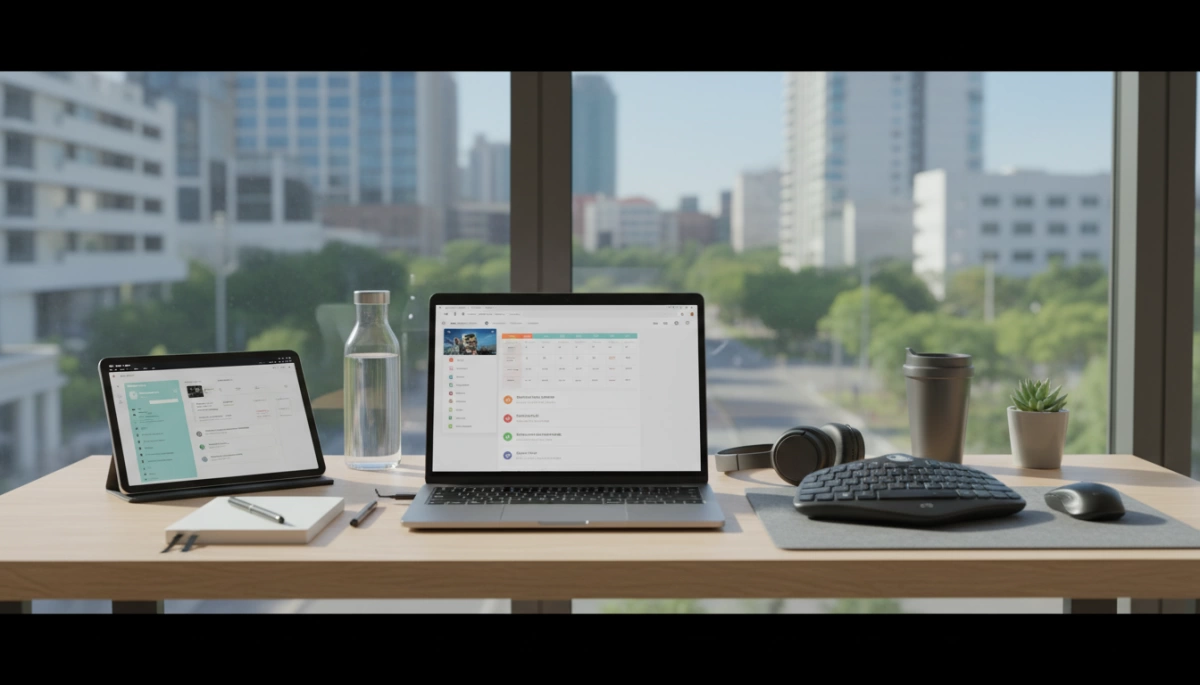
A digital nomad lifestyle only works if your day is boring in the right ways. I treat my workday like I’m in a normal office, just in a different country.
Simple daily routine framework:
- Morning (Focus):
- 60–120 minutes of deep work (no Slack, no email, no social)
- Same start time every weekday (even while traveling)
- Light movement: short walk, stretch, or quick workout
- Midday (Admin + errands):
- Calls, email, DMs, client updates
- Lunch outside (helps you learn the area and break up the day)
- Afternoon (Execution):
- Project work + deliverables
- Prep tomorrow’s top 3 tasks before you log off
- Evening (Life):
- Social time, language class, gym, or exploring
- Hard cutoff time for work to protect your energy
Non‑negotiables for a sustainable remote work lifestyle:
- Fixed start and stop times
- Daily movement
- Daily offline time (no screens for at least 1 hour)
Time zone management for remote work
If you work from anywhere, time zones can kill you if you’re not proactive.
How I handle time zones with clients and teams:
- Pick a “work window” overlapping with your main market
- Example: US clients → work 3 p.m.–11 p.m. in Europe, or early morning in Asia
- Set clear availability:
- Add your working hours in your email signature + Slack profile
- Use Calendly or TidyCal to auto-handle time zones
- Batch calls:
- Put all meetings on 2–3 days per week
- Protect at least 3 call‑free mornings for deep work
- Use tools:
- World Time Buddy / Timezone Ninja for scheduling
- Google Calendar with multiple time zones turned on
If a time zone makes you work 2 a.m.–6 a.m. regularly, that city doesn’t work for your remote work lifestyle—change locations, not your sanity.
Staying productive while traveling often
Constant movement destroys productivity. I treat travel like a side project, not the main event.
Rules I use to stay productive on the road:
- Slow travel as default: 1–3 months per city
- No travel on heavy work days: travel on Fridays or weekends, not launch days
- Arrival day routine:
- Get SIM / eSIM and test data
- Find a grocery store and a coffee shop with good Wi‑Fi
- Set up a basic workspace before anything else
- Work blocks > “catching up later”:
- 2–3 solid deep work blocks beat 10 hours of scattered work
If I can’t clearly answer “Where will I work tomorrow?” I don’t book the ticket.
Dealing with burnout and travel fatigue
Digital nomad life can burn you out faster than a normal job if you don’t respect your limits.
Signs you’re burning out:
- You’re in a beautiful place but stay inside scrolling
- Tiny problems (slow Wi‑Fi, noisy Airbnb) feel huge
- You resent clients or your laptop
How I reset:
- Stop moving: stay in one city at least 1–2 months
- Cut optional travel: no overnight buses, no 5 a.m. flights
- Simplify work:
- Pause new projects
- Raise rates instead of adding more clients
- Create “off” days:
- One day a week with no laptop (barring emergencies)
- Light routine: walk, read, workout, nothing complicated
Burnout usually means your travel speed, workload, or expectations are off. Adjust those before you blame the digital nomad lifestyle itself.
Essential tools, apps, and gear for digital nomads
I keep my setup simple, reliable, and easy to replace in the US or abroad.
Core work from anywhere gear:
- Laptop: Lightweight, long battery, 16GB RAM minimum
- Noise‑canceling headphones: For planes, cafes, and loud Airbnbs
- Portable laptop stand + compact keyboard/mouse: Saves your neck and wrists
- Universal travel adapter + small power strip
- Backup storage: SSD + cloud backup (Google Drive, Dropbox, iCloud)
Must‑have remote work tools & apps:
- Communication: Slack, Zoom, Google Meet
- Productivity: Notion / ClickUp / Trello, Google Calendar
- Time zones: World Time Buddy, Clock app with multiple time zones
- Security:
- VPN for remote work (Proton VPN, NordVPN, Surfshark)
- Password manager (1Password, LastPass)
- Money & banking for US nomads:
- US bank with low or no foreign transaction fees (Charles Schwab, Capital One 360)
- Multi‑currency accounts / online banking for travelers (Wise, Revolut)
- PayPal, Stripe, or similar for global payments
- Travel & logistics:
- Airalo / Nomad eSIM for data
- Google Maps (download offline maps)
- Coworker, Workfrom, or Google Maps reviews to check Wi‑Fi and workspaces
If a tool doesn’t clearly make me more productive, more secure, or more flexible, I don’t pack it. The lighter and simpler your setup, the easier it is to keep your digital nomad lifestyle sustainable.
Digital nomad health, insurance, and safety on the road
Digital nomad health insurance options
If you’re serious about a digital nomad lifestyle, real health coverage is non‑negotiable.
Common options for U.S. nomads:
- Travel medical insurance (short to mid-term)
- Good for trips up to 3–12 months
- Focuses on emergencies, not routine care
- Often required for digital nomad visas
- Global health insurance (long-term nomads)
- Works more like regular health insurance
- Covers hospital, outpatient, sometimes maternity
- Often lets you choose if the U.S. is included (huge cost difference)
- Keep U.S. coverage + add travel insurance
- Good if you return to the U.S. often or want a safety net at home
- Pair a high-deductible U.S. plan with a cheaper international policy
When you compare digital nomad insurance:
- Check country coverage, deductible, pre-existing condition rules
- Make sure remote work is allowed (some old-school plans don’t like “working abroad”)
- Look for direct billing so you’re not fronting huge hospital bills
Managing prescriptions, doctors, and checkups abroad
You can’t run a remote work lifestyle if you’re constantly stressed about your meds or basic care.
Prescriptions:
- Ask your U.S. doctor for:
- A 90-day supply (or as much as allowed)
- A printed prescription + generic drug names
- Check if your meds are legal in the country you’re visiting
- Keep meds in original containers in your carry-on
Doctors and checkups abroad:
- Use:
- Insurance provider’s doctor network
- Local expat groups, nomad communities, or Facebook groups for recommendations
- For basic stuff (rashes, infections, minor issues), many countries have cheap private clinics
- Schedule:
- Annual checkups when you’re back in the U.S. or in a country with solid healthcare
- Telehealth visits with your U.S. doctor for continuity
Basic safety habits in new cities
You don’t need to be paranoid, but you do need to be smart.
- Before you book:
- Research neighborhood safety, not just “best areas to stay”
- Read recent reviews for mentions of noise, break-ins, scams
- On arrival:
- Don’t flash laptops, phones, or cameras on the street
- Use Uber/Bolt/Grab or trusted local apps at night
- Keep a dummy wallet and separate stash of cards/cash
- For your gear:
- Use a laptop lock, and don’t leave gear unattended in cafés
- Back up your work to cloud storage daily
- Consider travel-friendly renters insurance or gadget coverage
Basic rule: if something feels off, trust it and move.
Mental health and emotional ups and downs
Digital nomad life isn’t an endless vacation—it comes with real emotional swings.
Common struggles:
- Loneliness between moves
- Anxiety about money, visas, or unstable clients
- Decision fatigue from constantly changing locations
Practical ways to stay grounded:
- Set a minimum stay (e.g., 1–3 months per city) to reduce chaos
- Keep a simple weekly routine: same coworking days, same workout days, same focus blocks
- Use therapy apps or online counseling that you can access from anywhere
- Stay connected with friends and family back home on a recurring schedule (same time weekly)
Your mental health is as critical as your Wi-Fi. If it starts to slide, treat it like a real problem, not a side effect.
Staying active and healthy while traveling
You don’t need a perfect fitness plan—you just need a simple one you can repeat in any country.
Easy ways to stay active:
- Book walkable neighborhoods so you’re moving daily
- Use day passes or monthly plans at local gyms or coworking spaces with gyms
- Save a bodyweight workout routine you can do in an Airbnb:
- Pushups, squats, lunges, planks, resistance bands
Daily health basics:
- Keep a regular sleep schedule tied to your work time zones
- Don’t live on delivery—aim for one decent meal a day (protein + veggies)
- Carry a small health kit:
- Painkillers, basic meds, bandages, electrolytes, any personal essentials
If you treat your body like a tool that powers your location independent living, your digital nomad lifestyle will feel a lot more sustainable long term.
Digital nomad challenges nobody markets to you
The digital nomad lifestyle looks cool on Instagram, but the unfiltered version is different. If you’re in the U.S. planning to work from anywhere, you need to see the whole picture.
Loneliness and rebuilding your social life
Constantly moving means you’re always “new” again.
- You say goodbye just as friendships get real.
- You spend more nights alone than people think.
- Group trips and coworking spaces help, but you still have to put yourself out there—every time, in every city.
If you’re not willing to DM strangers, show up to meetups, and join nomad communities, this lifestyle can get lonely fast.
Visa runs, bureaucracy, and admin stress
Behind every beach photo is a browser with 15 tabs open on visa requirements.
- Visa runs force you to move before you’re ready.
- Rules change fast; what worked last year doesn’t work this year.
- You’re tracking passport stamps, digital nomad visa options, onward tickets, and proof-of-funds.
Admin isn’t a side task—it becomes part of your remote work lifestyle.
Unstable Wi-Fi and disrupted workdays
This is the most underrated digital nomad challenge.
- “High-speed Wi-Fi” on Airbnb is often a lie.
- Power cuts, noisy cafés, and overloaded coworking spaces kill deep work.
- You end up tethering from your phone more than you expect.
If your income depends on calls or live sessions, you need backup plans: eSIMs, coworking passes, and a clear “no travel days on client days” rule.
Relationship struggles and dating on the move
Location independent living is not relationship friendly by default.
- Long-distance becomes common—even with people you met last month.
- One person usually compromises more on destinations and time zones.
- Dating apps get tiring when you’re leaving in 3 weeks.
Couples and solo travelers both feel it. You have to be very direct about expectations, timelines, and what “future” even means when you’re always moving.
When digital nomad life feels worse than a “normal” job
Some seasons of digital nomad life just suck—and they can feel worse than a 9–5.
- You’re stressed about client work, but also about housing, flights, and visas.
- Workdays stretch because you’re juggling time zones and broken routines.
- You feel guilty: you’re in a “dream” destination, but you’re burned out and not enjoying it.
This is when people quit. The way through is usually slowing down: fewer moves, longer stays, better routines, and treating this like a long-term lifestyle, not a permanent vacation.
If you’re serious about the digital nomad lifestyle, accept these challenges as part of the deal. Plan for them upfront, and you’ll handle the rough parts like an adult instead of getting blindsided by the glossy online version.
Community, friends, and networking as a digital nomad
If you chase the digital nomad lifestyle but ignore community, you burn out fast. Remote work and location independent living feel way better when you’re not doing it alone.
Finding digital nomad communities online
I always tell new nomads to lock in an online “base” first:
- Facebook groups: “Digital Nomads [City Name],” “Digital Nomads Around the World,” “Girls Love Travel” (for women), remote work lifestyle groups.
- Slack / Discord communities: Communities like Remote OK, Indie Hackers, niche nomad communities, and online business for digital nomads spaces.
- Reddit: r/digitalnomad, r/solotravel, r/remoteWork for unfiltered takes on destinations, digital nomad visas, housing, and coworking spaces abroad.
- Nomad platforms: Use Nomad List, Meetup, and Eventbrite to find digital nomad hubs and nomad coworking hubs before you land.
Join a few, comment, ask specific questions about cost of living for nomads, safety, Wi-Fi, and local nomad communities. You’ll often land in a city already knowing 3–5 people.
Local meetups, coworking events, and hubs
Once I land in a new digital nomad destination, my first move is to plug into in-person spaces:
- Coworking spaces abroad: Pay for at least a week. Go to member lunches, workshops, and happy hours. These are built for remote workers and work from anywhere jobs.
- Meetup & Eventbrite: Search “digital nomad,” “remote work,” “founder,” “freelancer,” “tech,” “online business” in that city.
- Language exchanges / interest groups: Great for meeting both locals and nomads in one place.
- Cafes near coworking spaces: They often turn into unofficial nomad hubs.
In the U.S. and abroad, I treat coworking spaces like a gym for my career and social life—worth the cost if you’re serious about long-term digital nomad sustainability.
How to make friends quickly without being weird
You don’t need to be ultra extroverted. You just need a simple “friend-making system”:
- Lead with context: “Hey, I’m new in town and working remotely. How long have you been here?” works almost anywhere.
- Use repeat places: Same cafe, same coworking spot, same workout class. Familiar faces turn into friends.
- Ask for micro-help: “Any tips on where to work from in this area?” opens doors naturally.
- Say yes early: For your first 2 weeks, say yes to most invites—dinners, coworking days, day trips.
The key: be normal, be curious, and don’t oversell your digital nomad lifestyle. People connect more with reality than with highlight reels.
Balancing nomad friends and local friends
A healthy remote work lifestyle mixes both:
- Nomad friends:
- Get your time zone struggles, online freelance work stress, and visa headaches.
- Great for swapping intel on best countries for digital nomads 2026, digital nomad visa requirements, and remote job boards.
- Local friends:
- Help you understand culture, neighborhoods, and what’s actually safe.
- Keep you grounded so life doesn’t feel like a permanent layover.
I aim for a 50/50 mix: nomads for shared lifestyle, locals for real life. That balance makes location independent living feel less like running and more like living.
Using community for opportunities and support
Your digital nomad community is your secret weapon:
- Work opportunities:
- Nomads share clients, remote jobs for travel, and online freelance work leads all the time.
- You’ll hear about new platforms, freelance platforms for nomads, and hybrid remote work options before they go mainstream.
- Support and safety:
- Need a doctor, a good digital nomad insurance recommendation, or help with international money transfers or online banking for travelers? Ask your community.
- Stuck with a visa run, landlord problem, or unstable Wi-Fi? Someone’s already solved it.
If you treat relationships like long-term investments—not quick networking—your digital nomad lifestyle gets easier, safer, and more profitable over time.
Sustainable and long-term digital nomad living
If you want a digital nomad lifestyle that actually lasts more than a year or two, you have to design it for sustainability from day one—not just chase cheap flights and Instagram shots.
Slow travel vs fast travel
Fast travel (new country every 1–2 weeks):
- Pros: Feels exciting, great for testing places.
- Cons: Burnout, higher costs, constant packing, poor productivity.
Slow travel (1–3 months per city):
- Pros:
- Lower cost of living (monthly deals, local prices)
- Easier to build routines, work out, eat better
- More stable internet + workspace
- Less stress with visas and logistics
- Cons:
- Fewer “new place” hits
- Takes longer to “see it all” (which is good, honestly)
If you want location independent living to last, slow travel wins. For most US-based digital nomads in 2026, I recommend:
- Stay 4–12 weeks per city
- Move based on seasons + work calendar, not FOMO
Avoiding burnout with smart travel planning
Nomad burnout is real. You can avoid most of it with basic rules:
Non-negotiables:
- Never travel on heavy work days
- Avoid back-to-back travel days
- Limit long-haul flights to a few times a year
- Plan 1 “admin day” per month for bills, banking, insurance, taxes
Simple planning framework:
- Work sprints: 6–8 weeks of focused work in one place
- Light travel: 1–2 weeks of movement with lower workload
- At least 1 full offline day per week (no laptop, no “quick check-ins”)
Your remote work lifestyle should feel more stable than your old office life, not more chaotic.
More sustainable and ethical nomad travel
As a US nomad landing in lower-cost countries, how you show up matters:
Sustainable travel habits:
- Choose slow travel over constant flights
- Use public transit, walking, biking when possible
- Stay in locally owned apartments or guesthouses when you can
- Don’t overuse short-term rentals in tight housing markets (research local context)
Ethical nomad basics:
- Pay fair prices, tip well where it’s normal
- Learn basic local phrases and norms
- Respect workspaces, coworking spaces, and neighborhoods (noise, parties, etc.)
- Avoid “poverty tourism” and disrespectful content
“Sustainable nomad travel” means your presence doesn’t trash the environment, the local housing market, or the community.
Building long-term stability as a digital nomad
To make work from anywhere jobs sustainable, you need stability behind the scenes:
Stability pillars:
- Income diversity:
- Mix remote job + freelance
- Or multiple clients instead of one big client
- Backup plans:
- One “safe base” city you can always return to
- A credit card with room for an emergency flight + short stay
Practical systems:
- Standard work hours (even if flexible)
- Clear time zone policy with clients/teams
- A simple weekly routine: work, gym, errands, social time
A semi-nomadic lifestyle (travel part of the year, base part of the year) is often the sweet spot for US nomads who want long-term stability.
Planning for the future: savings, retirement, and roots
Nomad life doesn’t mean ignoring your future. If anything, you need to be more intentional than a “normal” 9–5.
Money foundations for long-term nomads:
- Emergency fund: 3–6 months of living costs in a US-based high-yield savings account
- Retirement (for US nomads):
- Solo 401(k) or SEP IRA if you’re self-employed
- 401(k) / IRA if you have a US remote job
- Automatic investing into index funds every month
Thinking about roots:
- You can be nomadic and still:
- Keep a “home base” in the US (family, storage, or a small place)
- Plan for future kids, pets, or a place you might want to settle
- Reassess yearly:
- Do you still want full-time nomad life?
- Or a slowmad / part-time travel setup?
The goal isn’t to be a forever digital nomad just for the label. The goal is to use location independent living to build a life that’s flexible, financially solid, and actually feels good 5–10 years from now.
Family digital nomad lifestyle
Going digital nomad as a family or couple is 100% possible, but you have to treat it like a serious life design project, not a long vacation. I run my business fully online, and I’ve seen U.S. families and couples thrive on the road when they plan for money, structure, and communication first.
Digital nomad with kids
Traveling with kids changes your digital nomad lifestyle from “go anywhere” to “go where life actually works.”
Key things I see working for American families:
- Stick to slow travel: 1–3 months per place so kids can settle.
- Choose kid-friendly digital nomad destinations with parks, safe streets, and easy healthcare.
- Keep non‑negotiable routines: same wake time, meals, and bedtime even in new cities.
- Prioritize space over aesthetics: extra bedroom and living area beats the “Instagram view” every time.
Kids handle location independent living better when the parents are calm, predictable, and not constantly rushing to the next country.
Schooling and routines for family digital nomads
For U.S. families, schooling is the big question. Most digital nomad parents I know use a mix of:
- Homeschooling with U.S.‑aligned curricula (Time4Learning, Khan Academy, Outschool, etc.).
- Online schools that follow U.S. or IB programs.
- Local international schools if staying 6–12+ months in one place.
To keep your remote work lifestyle functioning:
- Block fixed “school hours” most weekdays.
- Use co-working + co-schooling: one parent works while the other handles school, then swap.
- Keep a weekly family planning session: travel, work calls, school goals, and downtime all in one shared calendar.
The routine is what makes long‑term digital nomad life feel safe and stable for your kids.
Couples as digital nomads
Long‑term travel can either tighten a relationship or blow it up. For couples, the digital nomad lifestyle just amplifies whatever is already there.
What I recommend:
- Divide roles: one handles travel logistics (flights, visas, housing), the other handles finances and planning.
- Set non‑negotiable work blocks where you both respect focus time.
- Plan solo time: cowork independently, take separate walks, have your own hobbies.
- Have a monthly “state of the union”: money, stress, what’s working, what’s not, where you want to go next.
If you can’t talk about money, expectations, and boundaries, full‑time work from anywhere will expose that fast.
Extra costs and logistics for families
Family digital nomad life isn’t cheap, especially coming from the U.S. You’ll need to budget more than a solo traveler.
Extra costs most people forget:
- Larger housing (2–3 bedrooms vs studios).
- Schooling / online programs / activities for kids.
- Family travel health insurance or specialized digital nomad insurance.
- Flights for everyone – a huge line item when you move often.
- Gear: laptops, tablets, backup devices, kids’ luggage, and sometimes car seats.
Logistics to plan:
- Countries with strong healthcare and easy access to pediatricians.
- Destinations with playgrounds, libraries, and safe neighborhoods.
- Digital nomad visa requirements that work for families (some visas allow dependents, some don’t).
This is where slow travel really saves money and sanity.
When to pause, settle, or change your setup
Long‑term location independent living doesn’t have to mean “forever on the move.” The most stable digital nomads I know treat their setup as flexible, not permanent.
Signs it might be time to pause or shift:
- You’re constantly stressed about visas, flights, or money.
- The kids are asking for more stability, friends, or a “home base.”
- One partner is clearly burned out, but nobody wants to admit it.
- Work quality is slipping because logistics are eating your time.
Options that work well for U.S. families and couples:
- Semi‑nomadic lifestyle: one home base (U.S. or abroad) plus 2–3 trips a year.
- Slowmad lifestyle: 6–12 months per country instead of constant moving.
- Seasonal nomad life: part of the year in the U.S., part of the year abroad.
You’re allowed to change the plan. Being a digital nomad is not about proving you can live out of a backpack forever; it’s about designing a remote work lifestyle that actually supports your family, your relationship, and your future.
Work from anywhere tips for your first trip
Your first digital nomad lifestyle trip doesn’t need to be epic. It needs to be simple and stable so you can actually work.
- Start with 4–8 weeks in one place, not a multi-country sprint.
- Pick a similar time zone to your main clients or team.
- Prioritize strong Wi-Fi and comfort over “Instagrammable.”
- Book refundable options when you can (flights + stays).
- Assume everything takes longer on the road: commuting, food, laundry, random issues.
How to choose your first digital nomad city
For your first work from anywhere test run, you want easy, safe, and predictable.
Look for:
- Short flight from the US: Mexico City, Playa del Carmen, Medellín, Lisbon, Valencia, Toronto, Montreal.
- Good cost of living for nomads: Under $2,000–$2,500/month for a simple lifestyle.
- Remote work infrastructure: Coworking spaces, cafés, solid fiber internet.
- Existing nomad communities: Check Facebook groups, Meetup, Reddit, Nomad List.
- Beginner-friendly factors:
- English is common
- Safe neighborhoods
- Simple visas for U.S. citizens
If this is your first digital nomad destination, pick “boring but reliable” over “exotic and chaotic.”
What to pack and what to leave at home
Think carry-on first. You’re not moving your entire life; you’re testing a location independent living setup.
Pack (core digital nomad packing list)
-
Work gear:
- Lightweight laptop + charger
- Mouse + foldable laptop stand
- Noise-canceling headphones
- Small extension cord / travel power strip
- USB hub + extra cables
- Compact webcam (if your laptop one is trash)
-
Connectivity + security:
- Unlocked smartphone
- VPN for remote work (NordVPN, ExpressVPN, etc.)
- 1–2 backup debit/credit cards
- Password manager app
-
Everyday basics:
- 7–10 days of clothes, neutral colors, easy to mix
- One pair versatile sneakers + one pair sandals/boots
- Travel-sized toiletries you can refill
- Lightweight rain jacket / layer
Leave at home
- Full-size luggage “just in case” piles
- Extra shoes, heavy jackets, multiple handbags
- Bulky gear you “might” use once
- Sentimental items you’d be crushed to lose
If you’re not sure you’ll use it weekly, skip it on your first trip.
Common first-timer mistakes to avoid
When you start the remote work lifestyle, these mistakes hit productivity fast:
- Changing cities every few days → You’ll feel like a traveler, not a worker.
- Booking based only on photos → Always ask hosts: Wi-Fi speed, desk, noise level.
- Ignoring time zones → 3 a.m. calls will burn you out quickly.
- Working only in cafés → Noisy, unreliable Wi-Fi, and you overpay for coffee.
- No backup internet → Get a local SIM or eSIM and hotspot plan.
- Zero routine → Sleeping in, exploring first, work later = missed deadlines.
Avoid these and your remote work productivity will stay strong from day one.
Simple first-month plan to stay sane and productive
Use your first month as a controlled test of work from anywhere jobs life, not a vacation.
Week 1: Settle + stabilize
- Arrive 2–3 days before any big meetings.
- Set up your workspace at home or a coworking space.
- Walk your neighborhood: grocery store, gym/park, café, pharmacy.
Week 2: Lock in your routine
- Fix your working hours that fit your team’s time zone.
- Set “no travel days” Monday–Friday.
- Try 1–2 coworking spaces and pick one.
Week 3: Test your social + lifestyle
- Join 1–2 local events or nomad meetups.
- Try one day trip on the weekend, not a full-on relocation.
Week 4: Review and adjust
- Track your income, expenses, and stress levels.
- Ask: did my work quality drop or stay the same?
- Decide: stay longer, change cities, or go home and regroup.
This keeps you productive, not overwhelmed.
How to know if digital nomad life is truly for you
By the end of your first month of location independent living, check in honestly:
You’re probably a fit if:
- Your work quality stayed solid or even improved.
- You like building routines in new places.
- You can handle small daily frictions (Wi-Fi issues, language, logistics) without melting down.
- You felt energized, not constantly anxious about money or safety.
You may want to slow down or rethink if:
- You’re always stressed about income or time zones.
- You need more stability, a home base, or community than constant travel allows.
- Your health, sleep, or relationships took a real hit.
There’s no “right” answer. You can be a semi-nomadic or slowmad traveler, do 1–2 long trips a year, or build an online freelance work or remote job that lets you choose your own balance.
Test, measure, adjust. That’s how you figure out if the digital nomad lifestyle actually works for you.
FAQ: digital nomad basics people actually ask
How much money do I need to be a digital nomad?
For most U.S.-based travelers, a realistic starting range:
- Emergency fund:
- Minimum: $3,000–$5,000 (bare minimum)
- Safer: 3–6 months of expenses in cash
- Monthly digital nomad budget:
- Budget hubs (Mexico, Colombia, Thailand): $1,500–$2,500/month
- Mid-range (Portugal, Spain, Costa Rica): $2,500–$3,500/month
- Premium (US, Canada, Western Europe): $3,500–$5,000+/month
You don’t need to be rich. You do need steady income, a clear budget, and a buffer for surprises (visas, flights, medical, tech breakdowns).
Can I be a digital nomad without freelance or tech skills?
Yes. The digital nomad lifestyle is not only for coders and designers. You can do location independent work in roles like:
- Customer support / chat support
- Virtual assistant / online operations
- Sales, outreach, appointment setting
- Teaching English online or tutoring
- Content moderation, data entry, basic admin
- Remote roles in your current industry (HR, project management, accounting, etc.)
If you’re starting from scratch:
- Pick one digital skill (writing, sales, support, marketing, basic design)
- Learn via low-cost online courses
- Start with entry-level remote jobs or freelance gigs and build from there
Tech skills help, but they’re not mandatory for a remote work lifestyle.
Do I need a digital nomad visa to start?
Often, no—a normal tourist visa is enough at the beginning, as long as you respect local laws and visa rules.
General guidance (not legal advice):
- Many countries let U.S. citizens stay 30–90 days on a tourist visa
- Digital nomad visas are better if:
- You want to stay 6–12+ months in one country
- You need legal proof of residence for banking, schooling, or leasing
- Always check:
- Visa length
- Income requirements
- Health insurance rules
You can test the digital nomad lifestyle with shorter tourist stays, then apply for a digital nomad visa if you find a place you want to settle longer.
Is it safe to travel solo as a digital nomad?
It can be, if you treat safety like part of your job. For solo digital nomads (especially from the U.S.):
Basic safety habits:
- Book good neighborhoods and read recent reviews for safety and Wi-Fi
- Arrive during the day whenever possible
- Use Uber/Bolt/known apps, not random taxis
- Don’t flash laptops, phones, or jewelry in busy areas
- Keep passport + backup cards in a separate secure place
- Share your rough itinerary and address with someone you trust
Also:
- Join nomad communities and coworking spaces
- Learn the local scams and red-flag areas before you go
- Trust your gut—if a place feels off, leave
Solo nomad life isn’t risk-free, but with basic precautions, it’s manageable and often safer than people assume.
How long does it take to become location independent?
Most people underestimate the timeline. From the U.S., a realistic range:
- Fast track: 3–6 months
- You already have a remote-capable job or in-demand skill
- You switch your current role to remote or land a remote job quickly
- Standard path: 6–18 months
- You build skills, portfolio, and first clients
- You shift from office or hybrid to fully remote work
- Slower but stable: 18–24+ months
- You’re changing careers, upskilling, or paying down debt before leaving
You’re ready to start the digital nomad lifestyle when you have:
- A consistent income source (job, freelance, or online business)
- 3–6 months of savings
- A clear monthly budget and a plan for time zones, taxes, and health insurance
Location independent living is a planned move, not a leap of faith.