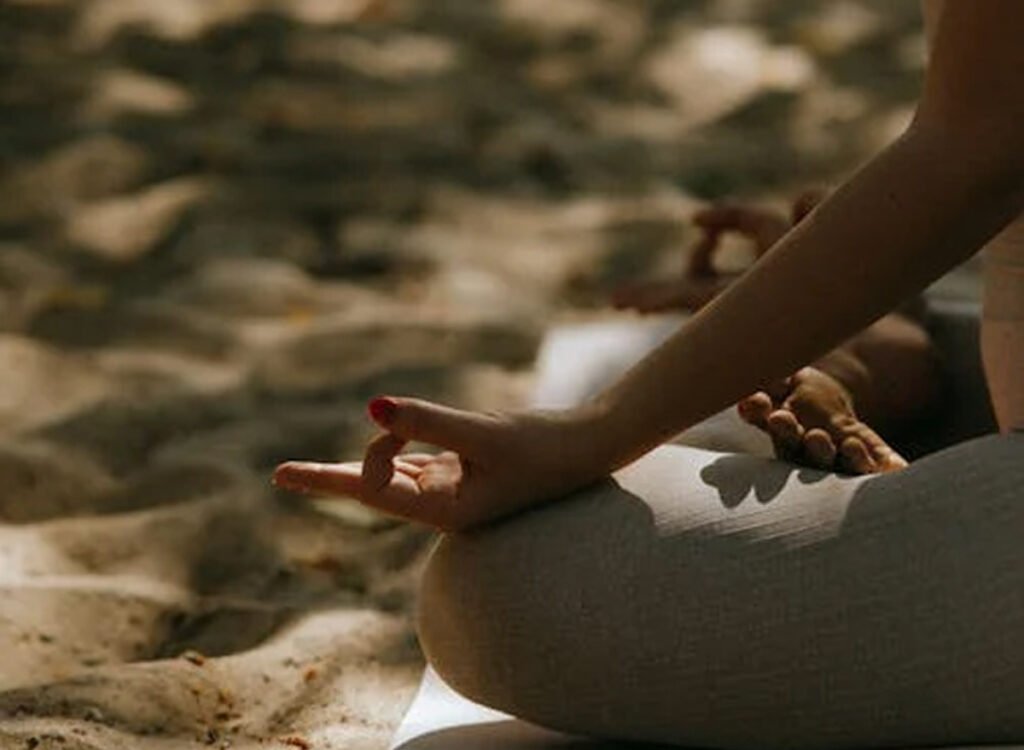
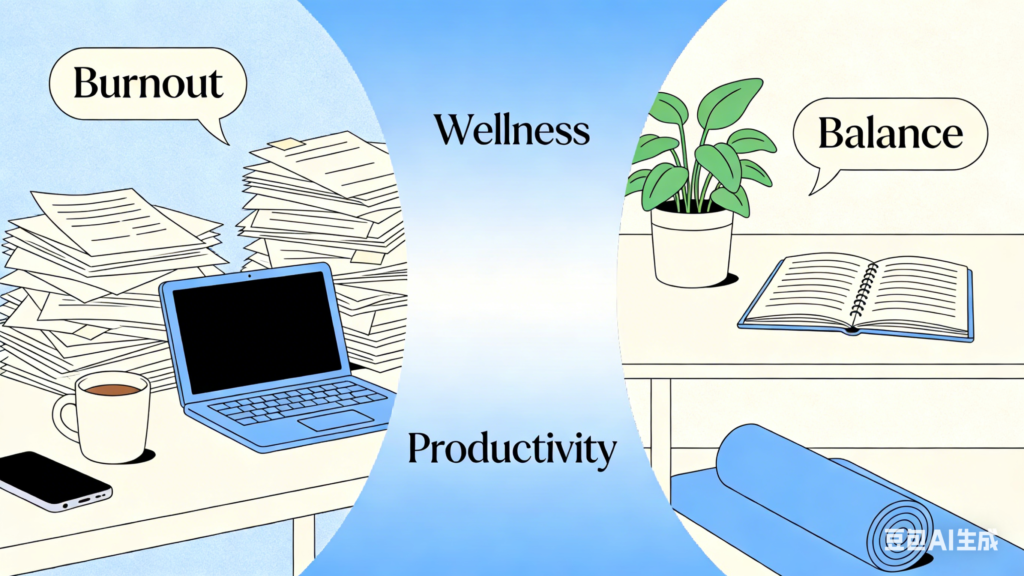
In today’s fast-paced world, burnout has become an increasingly common experience. Long work hours, constant digital connectivity, and the pressure to stay productive can slowly drain both mental and physical energy.
A few years ago, I found myself trapped in that cycle. Living in a busy Western city, balancing work deadlines, social obligations, and endless notifications, I began to feel exhausted and unmotivated. Productivity dropped, creativity disappeared, and even simple tasks felt overwhelming.
That was when I realized something had to change. My journey from burnout to balance didn’t happen overnight, but through intentional lifestyle changes, I discovered a healthier and more sustainable approach to both wellness and productivity.
Recognizing the Signs of Burnout
Burnout rarely appears suddenly. Instead, it develops gradually through months—or even years—of chronic stress.
For many professionals across North America and Europe, the signs can be surprisingly similar:
- Constant fatigue, even after rest
- Difficulty concentrating
- Lack of motivation or enthusiasm for work
- Increased stress and anxiety
- Feeling disconnected from personal goals
I remember sitting in a coffee shop in downtown Chicago, staring at my laptop screen, realizing I had been working for hours without making real progress. That moment became a turning point.
Taking the First Step Toward Change
The first step toward recovery was simple but powerful: taking a break.
Instead of pushing harder, I decided to step away from the constant work routine and spend time outdoors. Traveling to quiet natural destinations—coastal towns, national parks, and mountain trails across the United States and Canada—gave my mind the space it needed to reset.
Walking through forests, breathing fresh air, and disconnecting from daily pressures helped restore a sense of calm and clarity.
Nature has a remarkable way of reminding us that productivity isn’t about constant effort—it’s about sustainable energy.
Rebuilding Healthy Habits
True recovery from burnout required more than a short vacation. It meant rebuilding daily habits that support both wellness and productivity.
Here are some of the changes that made the biggest difference.
1. Creating a Balanced Morning Routine
Instead of starting the day by checking emails, I began with simple habits:
- Light stretching or yoga
- A short walk outdoors
- A healthy breakfast and coffee
- Setting clear priorities for the day
This calm start helped reduce stress and improve focus throughout the day.
2. Prioritizing Physical Health
Exercise quickly became one of the most important parts of my routine. Whether it was jogging along a riverside trail, visiting a local gym, or practicing yoga at home, regular movement helped restore both energy and mental clarity.
Studies across Europe and the United States consistently show that physical activity improves productivity, creativity, and emotional resilience.
3. Learning the Power of Deep Work
Instead of multitasking constantly, I began using focused work sessions.
By dedicating blocks of uninterrupted time to a single task, productivity increased significantly. Turning off notifications and limiting digital distractions made it easier to complete meaningful work in less time.
This approach not only improved efficiency but also reduced mental exhaustion.
The Role of Mindfulness and Mental Wellness
Another important part of the journey was developing mindfulness.
Practices such as meditation, journaling, and quiet reflection helped create space between stressful thoughts and daily responsibilities. Instead of reacting to every challenge immediately, I learned to respond with greater awareness and calm.
Many wellness experts in Western countries now emphasize mindfulness as a key strategy for reducing burnout and improving long-term mental health.
Finding a Sustainable Definition of Productivity
One of the biggest lessons from this journey was redefining productivity itself.
For a long time, I believed productivity meant working longer hours and completing more tasks. In reality, sustainable productivity comes from balance.
True productivity means:
- Maintaining physical and mental health
- Focusing on meaningful work
- Allowing time for rest and recovery
- Staying connected with personal values and goals
When these elements work together, productivity becomes natural rather than forced.
Final Thoughts
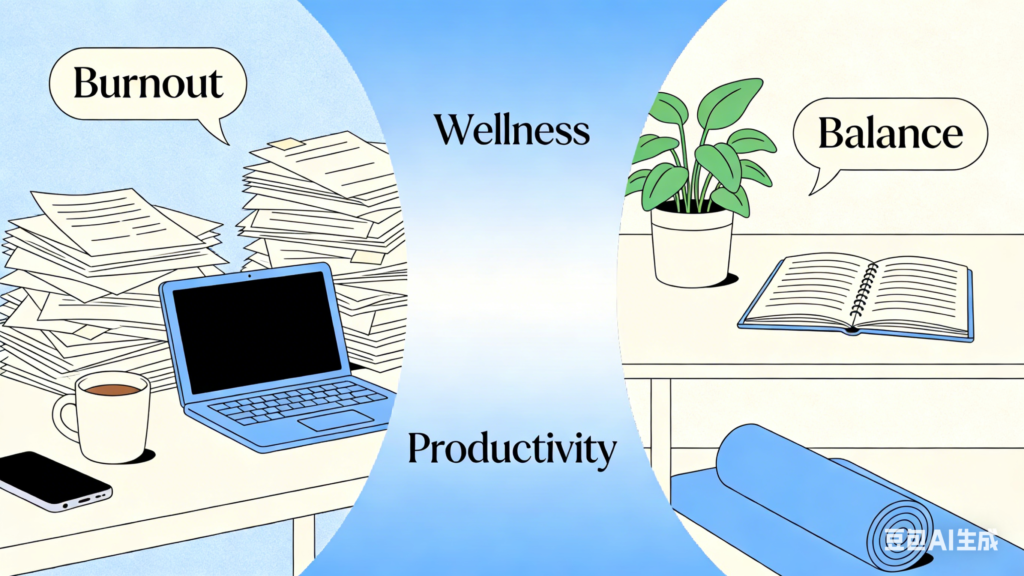
Burnout is a challenge faced by millions of professionals across the modern world. Yet it can also become an opportunity to reassess priorities and build a healthier lifestyle.
My journey from burnout to balance taught me that wellness and productivity are not opposing goals—they actually support each other.
By slowing down, reconnecting with nature, building healthier routines, and practicing mindfulness, it’s possible to regain both energy and motivation.
In the end, the path to a productive life may not be about doing more, but about living and working with greater balance. 🌿✨