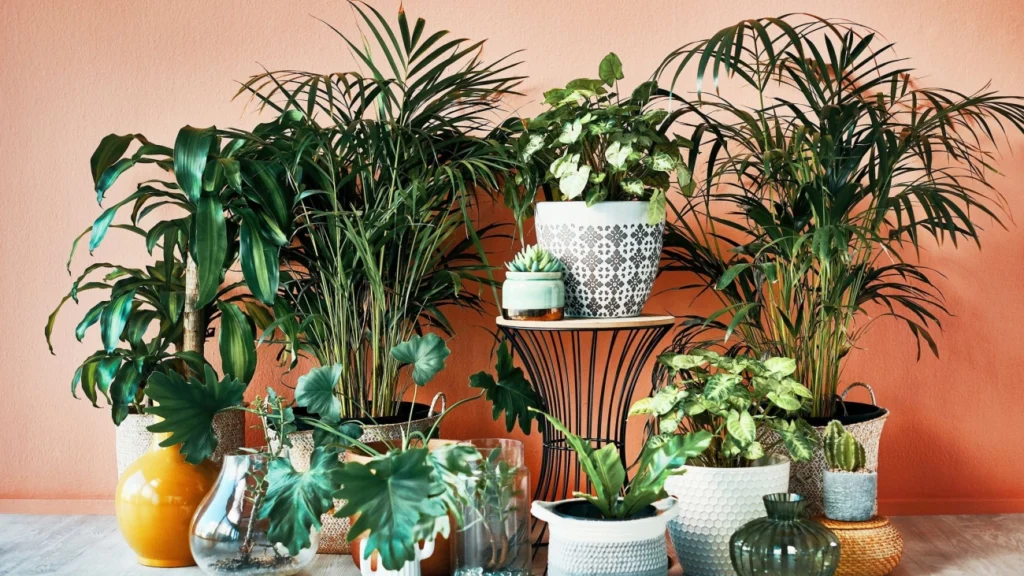
If your home still feels a little flat no matter how you decorate, you’re probably missing one thing: indoor plants.
The right indoor plants don’t just look pretty. They make your space feel fresh and natural—softening hard edges, adding lush greenery, and even helping to improve air quality and your mood.
But with so many options out there, which are actually the best indoor plants for a modern home in 2026—especially if you need low maintenance, low light, or pet friendly houseplants?
That’s exactly what this Lalulu guide is about.
You’re going to see which air purifying houseplants, easy indoor plants for beginners, and trending houseplants 2026 are truly worth bringing home—plus simple tips to keep them thriving in real-life spaces like apartments, bedrooms, and busy living rooms.
So if you’re ready to turn your place into a calm, green oasis (without turning your life into full-time plant care), keep reading.
Why Indoor Plants Make Your Home Feel Fresh and Natural
Ever walk into a room with plants and notice it just feels cleaner, calmer, and more “alive”? That’s the power of the best indoor plants for home—they don’t just sit there, they quietly change the whole vibe.
How Plants Change the Vibe of a Room
Indoor plants instantly:
- Soften hard lines from furniture and screens
- Add color, texture, and movement (leaves sway, new growth appears)
- Make spaces feel more inviting, personal, and lived-in
Even one snake plant, pothos, or peace lily can shift a room from “stale” to fresh and natural. Plants signal that a space is cared for, and that changes how you feel in it.
Biophilic Design: Why Greenery Calms You
Biophilic design is just a fancy way of saying we feel better when we’re connected to nature. Our brains are wired for:
- Green tones and organic shapes – they read as safe and familiar
- Living things – they reduce stress and make us feel grounded
- Natural patterns – leaves, vines, and foliage calm visual tension
Bringing in fresh greenery for home taps into that instinct. It’s one of the simplest biophilic home design tricks: add plants, and stress drops.
Air, Humidity, and Mood Benefits
While plants won’t replace an air purifier, many air purifying houseplants (like snake plants, spider plants, and peace lilies) can help:
- Slightly improve air quality by absorbing some indoor pollutants
- Increase humidity a bit in dry rooms, which can help your skin and throat
- Boost mood and focus just by being there—studies link houseplants to better concentration and lower stress
For indoor plants for bedroom or home office, even a few low maintenance houseplants can make the space feel cleaner and more breathable.
Fresh vs. Cluttered: Avoiding the Messy “Indoor Jungle” Look
Plants should make your home feel fresh, not chaotic. To avoid the messy jungle vibe:
-
Pick a simple palette
- Stick to mostly green foliage with a few variegated plants
- Too many colors and patterns = visual clutter
-
Use intentional groupings
- Cluster 3–5 plants of different heights instead of scattering one plant everywhere
- Mix a tall statement plant, a medium tabletop plant, and a trailing plant
-
Match plant size to room size
- Small apartment? Choose compact, low maintenance indoor plants
- Larger living room? Add a statement indoor plant like a monstera or rubber plant
-
Leave negative space
- Not every corner needs a plant
- Empty space around plants makes them look styled, not stuffed
When you’re deliberate with placement and variety, your home feels natural and airy, not like an overgrown greenhouse.
Best Indoor Plants for a Fresh, Natural Home in 2026
In 2026, the best indoor plants for home are the ones that look good, stay alive without drama, and fit real life in the U.S.—small apartments, busy schedules, pets, and all.
How I Picked These Indoor Plants
I focused on:
- Low maintenance houseplants for busy people
- Beginner friendly houseplants (hard to kill, very forgiving)
- Plants that work in low light indoor spaces and bright ones
- Mix of air purifying indoor plants, humidity loving indoor plants, and modern decor plants
- Good availability at big box stores, local nurseries, and online in the U.S.
Classic vs. Trending Indoor Plants in 2026
Classic “can’t go wrong” picks:
- Snake plant – top air purifying houseplant, nearly indestructible
- Pothos – easy indoor trailing plant for shelves and hanging pots
- Spider plant – beginner friendly, playful, and great in hanging baskets
- Peace lily – clean, fresh look and great for indoor air
- ZZ plant – low light indoor plant that handles neglect
Trending houseplants in 2026:
- Monstera deliciosa – statement plant for that “indoor jungle style decor”
- Rubber plant – glossy, sculptural foliage for modern living rooms
- Philodendron varieties – heartleaf, Brasil, and other trailing types
- Chinese evergreen – bold, patterned leaves for darker corners
- Areca palm – light, airy “resort at home” vibe
Quick Overview: Which Indoor Plant Fits Which Home
| Home / Lifestyle Type | Best Indoor Plants That Fit |
|---|---|
| Busy, often traveling | Snake plant, ZZ plant, pothos |
| Low light apartment / urban spaces | ZZ plant, Chinese evergreen, pothos, snake plant |
| Pet friendly houseplants needed (safer picks) | Spider plant, Boston fern, areca palm, some calathea |
| Minimalist indoor plant decor | Snake plant, rubber plant, aloe vera |
| Indoor jungle style decor | Monstera, pothos, philodendron, Boston fern |
| Small apartments & studios | Pothos, spider plant, aloe, Chinese evergreen |
| Best plants for living room statement | Monstera, rubber plant, areca palm |
| Indoor plants for bedroom / stress relief | Snake plant, peace lily, spider plant |
If you want a fresh, natural home without overthinking it, start with: snake plant + pothos + spider plant. That combo covers air quality, low maintenance, and modern natural decor in almost any U.S. home or apartment.
Snake Plant: Easiest Air Purifying Hero
If you want one plant that just works, the snake plant is it. It’s one of the best indoor plants for home because it looks clean and modern, barely needs attention, and quietly helps improve indoor air quality.
Why snake plant works in almost any home
Snake plants fit almost every U.S. lifestyle and space:
- Low maintenance houseplant – perfect if you travel, work long hours, or forget to water.
- Handles different light – bright, medium, even low light indoor plant conditions.
- Works with most decor – minimalist, modern, boho, or small apartments.
- Great for beginners – one of the easiest indoor plants that are hard to kill.
Light and watering basics
To keep a snake plant happy and fresh:
- Light:
- Best: bright, indirect light near a window.
- Okay: low light corners, offices, hallways.
- Water:
- Let soil dry completely between waterings.
- In most U.S. homes, water about every 2–4 weeks.
- In winter, water even less.
- Soil & pot:
- Use well‑draining soil (cactus/succulent mix works great).
- Make sure the pot has drainage holes to avoid root rot.
Best spots: bedroom, hallway, office corners
Snake plants are perfect when you want fresh greenery for home without the fuss:
- Bedroom:
- Slim, vertical shape works by the nightstand or dresser.
- Often recommended as an air purifying indoor plant for bedroom.
- Hallway/entryway:
- Holds up to drafts and changing light.
- Makes a clean, modern first impression.
- Office corners:
- Handles low light office conditions and missed waterings.
- Great for stress relief and a more natural vibe at your desk.
Pros, cons, and pet safety notes
Pros:
- One of the best low maintenance indoor plants
- Tolerates low light and inconsistent watering
- Tall, sculptural foliage looks polished, not cluttered
- Great starter for an easy indoor plants for beginners collection
Cons:
- Can get root rot if overwatered
- Growth is slower in very dark rooms
- Some varieties can get top‑heavy and need a heavier pot
Pet safety (important if you have cats or dogs):
- Snake plants are mildly toxic to pets if chewed or eaten (can cause vomiting, drooling, or upset stomach).
- In a U.S. home with pets, I’d:
- Place snake plants out of easy reach (plant stands, corners, behind furniture).
- Choose pet friendly houseplants for low areas where pets roam.
- Call your vet or a pet poison hotline if your pet eats any plant and acts off.
If you want one plant that’s stylish, sturdy, and low effort, the snake plant is easily one of the best low maintenance indoor plants you can bring into your home.
Pothos: Trailing Greenery for Shelves and Walls
Pothos is one of the best low maintenance indoor plants you can bring into your home. If you’re a beginner or a busy person in the U.S. just trying to make your space feel fresher, pothos is the easiest win.
Why Pothos Is Perfect for Beginners
Pothos is basically a “forgiving mode” plant:
- Handles missed waterings
- Bounces back from a bit of neglect
- Grows fast, so you see results quickly
- Works in apartments, dorms, and homes of any size
Basic care:
| Care Factor | What Pothos Likes |
|---|---|
| Water | When top 1–2″ of soil is dry |
| Light | Bright, indirect is ideal; tolerates low light |
| Temp | Room temp, 65–80°F |
| Difficulty | Very easy (beginner friendly houseplant) |
Low Light and Low Maintenance Benefits
If you live in a low light apartment or have darker corners, pothos is your friend:
- Survives low light indoor conditions (just avoid deep, no-window rooms)
- Doesn’t need daily attention
- Works well as a low maintenance houseplant for busy people
Just remember: more light = faster growth and better variegation.
Styling Pothos on Shelves, Cabinets, and Hanging Planters
Pothos is made for trailing indoor plants for shelves and walls. I use it a lot in city apartments because it fills vertical space fast:
- Shelves: Let vines spill down bookcases or media units
- Cabinets: Place a pot on top of kitchen cabinets for a soft, green edge
- Hanging planters: Hang near a window for that indoor jungle vibe without clutter
- Wall hooks: Guide vines along small hooks or a trellis for a natural wall feature
Styling tip: keep the pot simple (white, black, terracotta) so the foliage does the talking.
Different Pothos Varieties to Try
You don’t have to stop at one. Pothos has a lot of trending houseplant varieties that still stay easy-care:
| Variety | Look & Vibe | Best Spot |
|---|---|---|
| Golden Pothos | Green with yellow streaks; classic look | Living room, office shelves |
| Marble Queen | Heavy white variegation; brighter look | Brighter rooms to keep variegation |
| Jade Pothos | Solid deep green; super tough | Lower light spots, hallways |
| Neon Pothos | Bright chartreuse; modern and bold | Minimalist decor, white spaces |
| Manjula / N’Joy | Mixed white/green; more decorative | Feature shelves, hanging baskets |
If you want fresh greenery for home without stress, pothos is one of the best indoor plants for home—hard to kill, easy to style, and perfect for building that natural, relaxed look.
Peace Lily: Fresh, Clean, and Calm
If you want your place to feel fresh without a lot of effort, a peace lily is one of the best indoor plants for home use.
How peace lilies make a room feel fresher
Peace lilies instantly clean up the look of a room:
- Crisp white flowers + deep green leaves make spaces look cleaner and more intentional
- They bring in that soft, spa-like, natural vibe without looking like a wild indoor jungle
- They’re compact, so they work in small apartments, condos, and city homes
They’re one of the top air purifying houseplants, which makes them great if you spend a lot of time indoors.
Humidity and air purifying perks
Peace lilies are humidity loving indoor plants, so they actually help your space feel less dry:
- Gently boost humidity, which can help with dry skin, sinuses, and static in winter
- Filter common indoor pollutants (like from cleaning products and furniture)
- Great as air purifying indoor plants for bedroom, bathroom, or office
I don’t treat them as a replacement for an air purifier, but they’re a nice natural bonus.
Watering schedule and wilting signals
Peace lilies are clear communicators, which makes them easy indoor plants for beginners:
- Check weekly: water when the top inch of soil is dry
- If you forget, the plant will dramatically wilt, then bounce back within hours after watering
- Avoid keeping soil soaking wet; that leads to root rot
Use room temperature water and make sure the pot has drainage holes. This alone prevents most problems.
Best rooms for peace lilies (bedroom, bathroom, entryway)
Peace lilies are some of the best plants for living rooms and bedrooms, but they really shine in a few key spots:
- Bedroom: calming, low-light friendly, great near a window with filtered light
- Bathroom: loves steam from showers, perfect for that “fresh, hotel spa” look
- Entryway: a medium-size peace lily in a clean pot makes a strong, natural first impression
If you want an indoor plant for a fresh and natural home that looks peaceful, improves the vibe, and doesn’t ask for much, a peace lily earns its spot on the list of best low maintenance indoor plants in the U.S. right now.
ZZ Plant: Low Light, Low Effort Greenery
If you’re busy, travel a lot, or just forget to water, the ZZ plant is one of the best low maintenance indoor plants you can put in your home.
Why ZZ plant is ideal for busy people
The ZZ plant (Zamioculcas zamiifolia) is basically built for real life in the U.S.:
- Handles inconsistent schedules and dry apartments
- Doesn’t need daily attention or special gear
- Stays compact and neat, so it works in small apartments and home offices
It’s a go-to if you want easy indoor plants for beginners that still look high-end.
ZZ plant in low light + missed waterings
ZZ is one of the best low light indoor plants:
- Light:
- Thrives in low to medium light
- No direct sun – it can scorch the leaves
- Great for corners, hallways, and rooms with just a window across the room
- Water:
- Water about every 2–4 weeks, letting soil dry out fully
- Thick rhizomes store water, so it survives missed waterings
- If leaves start yellowing and mushy, you’re watering too much
If you want indoor plants that are hard to kill, this one earns the title.
Modern decor and sculptural foliage
ZZ plants hit that modern indoor plant look a lot of people want:
- Shiny, dark green leaves = clean, polished vibe
- Upright, arching stems = sculptural foliage that works with minimalist decor
- Looks great in:
- Matte white, black, or concrete-style planters
- Office corners, side tables, and console tables
- Paired with a snake plant or rubber plant for a modern, natural corner
They fit right into natural home decor without making your place look like a jungle.
Toxicity and placement tips
One important note: ZZ plants are toxic if chewed.
- Not pet friendly houseplants – keep away from cats, dogs, and small kids
- Place on:
- High shelves
- Sturdy plant stands
- Console tables out of reach
- If a pet chews on it:
- Rinse their mouth with water
- Watch for drooling, vomiting, or irritation
- Call your vet or a pet poison hotline if you’re worried
If you need a non toxic indoor plant for pets, pick spider plant, parlor palm, or some peperomias instead. But if you want a low maintenance houseplant for busy people that thrives in low light, the ZZ plant is one of the best indoor plants for home use right now.
Spider Plant: Airy, Playful, and Beginner Friendly
Spider plants are one of the best indoor plants for home if you want something fun, easy, and actually useful.
Spider plant benefits for indoor air
Spider plants are classic air purifying houseplants. They help:
- Reduce some indoor pollutants (like formaldehyde from furniture and cleaners)
- Add a light boost of humidity to dry, heated or air-conditioned rooms
- Make a space look fresher and more “alive” with minimal effort
They’re not a magic air filter, but for a low maintenance indoor plant, they pull their weight.
Hanging baskets and shelf styling ideas
I like spider plants for indoor jungle style decor because they naturally arch and spill over the pot:
- Hanging baskets near a bright window for that waterfall look
- On a living room shelf or bookcase so the leaves drape down
- In a macramé hanger in a corner to soften sharp lines and empty spaces
- Above a kitchen sink or island, as long as they still get bright, indirect light
They’re perfect trailing indoor plants for shelves if you want playful, not messy.
How to care for spiderettes (baby plants)
Spider plants send out long stems with baby plants (spiderettes) on the end:
- Wait until the spiderette has a few small roots starting
- Snip it off and place it in water or directly into moist potting soil
- Keep the soil lightly damp for 1–2 weeks while it establishes
- Once it’s rooted and growing, treat it like a normal plant
Spiderettes are an easy way to propagate indoor plants and fill your home (or share with friends) for free.
Best rooms and light needs
Spider plants are beginner friendly houseplants that fit most U.S. homes:
- Light: Bright, indirect light is ideal; they can handle low light indoor conditions, but growth slows
- Best rooms:
- Living room shelves and media centers
- Bedroom dressers or nightstands away from direct sun
- Home office shelves and window ledges
- Bright bathrooms (they like the extra humidity)
Keep them out of harsh, direct midday sun (especially in South- or West-facing windows) so the leaves don’t scorch. For a best low maintenance indoor plant that still looks lively and fresh, spider plants are an easy win.
Monstera Deliciosa: Statement Indoor Plant for a Natural Centerpiece
Why Monstera Feels So Lush and Tropical
Monstera deliciosa is the ultimate statement indoor plant if you want that “instant indoor jungle” look without a ton of effort. Those big split leaves instantly make a living room feel:
- Lush, tropical, and relaxed
- More natural and organic (great for biophilic design)
- Visually “expensive” even in a simple apartment
One good-sized monstera can replace three smaller plants and still give you that fresh greenery for home vibe.
Light, Support, and Watering Basics
To keep monstera thriving indoors in the U.S.:
-
Light:
- Best: bright, indirect light near a window
- Avoid: harsh, hot direct sun (it burns the leaves)
- Works well in most living rooms with a decent window
-
Watering:
- Water when the top 1–2 inches of soil are dry
- Always use a pot with drainage holes
- Yellow leaves = probably overwatering; crispy edges = likely underwatering or too much sun
-
Support:
- Give it a moss pole or stake as it grows
- This keeps it upright and turns it into a true sculptural foliage plant
Styling Monstera as a Living Room Focal Point
To use monstera as a natural centerpiece or statement indoor plant:
- Place it in a simple, modern pot to let the leaves stand out
- Set it:
- Beside the sofa
- Near a TV console
- In an empty corner you want to soften
- Pair with:
- A neutral rug and light walls for a minimalist indoor plant look
- A plant stand to give it height in small apartments
It’s one of the best plants for living room decor if you want a big visual payoff.
When and How to Repot Monstera Deliciosa
Monstera is not fussy, but it does need room to grow:
-
When to repot:
- Roots circling the bottom or growing out of drainage holes
- Soil dries out extremely fast
- Usually every 1–2 years
-
How to repot:
- Choose a pot 1–2 inches wider than the current one
- Use a well-draining indoor soil mix (potting soil + perlite works for most homes)
- Water well after repotting and keep it in bright, indirect light
Cared for right, monstera deliciosa becomes a long-term low maintenance indoor plant that makes your home feel fresh, natural, and pulled together.
Rubber Plant: Glossy, Sculptural Foliage
A rubber plant is one of the best indoor plants for home if you want a polished, modern, natural look without a lot of fuss. The big, glossy leaves instantly make a room feel styled and intentional—perfect for U.S. apartments, living rooms, and home offices where you want “clean, not cluttered.”
How Rubber Plants Upgrade Your Space
Rubber plants work well in:
- Modern or minimalist decor – sculptural foliage looks like living art
- Living rooms and entryways – strong vertical shape = instant statement plant
- Urban apartments – adds fresh greenery without the “indoor jungle” chaos
They read as high-end natural home decor but are still relatively low maintenance compared to fussier tropical indoor plants.
Light Needs for Deep, Rich Leaf Color
To keep that dark, glossy foliage, light is key:
- Best light: bright, indirect light near a window (east or north windows are ideal)
- Can handle: some gentle morning sun, but avoid harsh afternoon sun that burns leaves
- Too little light signs: stretching, smaller leaves, dull color, dropping lower leaves
If your home is on the darker side, place your rubber plant as close to the brightest window as possible or use a simple grow light.
Pruning: Tall Statement vs. Bushy Plant
You can shape a rubber plant to match your style:
-
For a tall, tree-like look:
- Let the main stem grow, remove only dead or damaged leaves
- Rotate the pot every few weeks so it grows straight
-
For a bushy, fuller plant:
- Snip the top growth (just above a leaf node) in spring or early summer
- New branches will grow below the cut, creating a fuller shape
- You can root cuttings in water or soil to grow more plants
Always use clean, sharp scissors or pruners, and avoid getting the milky sap on your skin (it can be irritating).
Pot Size and Soil Basics
Rubber plants don’t like sitting in soggy soil, so setup matters:
-
Pot choice:
- Pot with a drainage hole is non-negotiable
- Start slightly larger than the root ball; don’t jump to a huge pot
-
Soil mix:
- Use a well-draining indoor plant mix, or:
- 2 parts all-purpose potting soil
- 1 part perlite or coarse sand
- Optional: a bit of bark for extra drainage
- Use a well-draining indoor plant mix, or:
-
Repotting:
- Every 1–2 years or when roots circle the pot
- Move up just 1–2 inches in diameter each time
Dialing in light, pruning, pot size, and soil turns a rubber plant into a low maintenance houseplant for busy people that still looks high-end and intentional in any U.S. home.
Boston Fern: Soft, Humid, and Fresh
Why Boston ferns feel like a mini forest at home
Boston ferns instantly soften a room. The frilly fronds add:
- Fresh, natural texture that breaks up hard lines and flat walls
- A “mini forest” vibe that works especially well in smaller spaces and apartments
- A light, airy look that pairs well with modern, boho, or coastal decor
For U.S. homes that feel a bit dry or boxy, a Boston fern is one of the best indoor plants to make your home feel lush, calm, and alive without going full indoor jungle.
Humidity needs and how to meet them
Boston ferns are classic humidity loving indoor plants. In most U.S. homes, the air is too dry—especially with AC or heating on. Aim for 50–70% humidity. You can hit that by:
-
Best options (most effective):
- Place the fern in a bathroom or kitchen near a window
- Use a small humidifier nearby (ideal for apartments)
- Group it with other humidity loving houseplants
-
Helpful extras (but not enough alone):
- Set the pot on a pebble tray with water (pot above water level)
- Light misting in the morning (don’t soak the fronds)
If the tips turn crispy or brown, your fern almost always needs more humidity, not more water.
Best spots: bathrooms and kitchens
Boston ferns are some of the best indoor plants for bathroom and kitchen spaces in the U.S.:
-
Bathroom:
- Near a bright, indirect light window
- Loves steam from showers
- Avoid placing directly in the shower spray
-
Kitchen:
- On a counter, plant stand, or hanging planter away from stove heat
- Near a bright window but not in harsh direct sun
- Great for softening corners or open shelving
Skip dark, windowless rooms; even humidity can’t replace light.
Common Boston fern mistakes and quick fixes
1. Crispy, browning fronds
- Cause: Dry air, too much direct sun, or forgetting to water
- Fix:
- Move to bright, indirect light
- Add a humidifier or bathroom placement
- Keep soil evenly moist, not soggy
2. Yellowing leaves and droopy plant
- Cause: Overwatering or poor drainage
- Fix:
- Make sure pot has drainage holes
- Use a light indoor plant soil mix
- Let the top inch of soil dry before watering again
3. Fern dropping a lot of fronds after you bring it home
- Cause: Shock from transport, dry indoor air, or a big light change
- Fix:
- Trim dead fronds cleanly
- Place in a stable spot with consistent light and humidity
- Avoid moving it around every few days
If you want fresh, natural home decor with real impact, Boston ferns are one of the best low maintenance indoor plants to try—especially if you already use a humidifier or have a bright bathroom or kitchen to work with.
Philodendron: Versatile Green for Any Room
Philodendron is one of the best indoor plants for home if you want something forgiving, modern, and easy to style. It works in apartments, suburban homes, and offices—pretty much anywhere you want a fresh, natural vibe without a lot of work.
Climbing vs. Trailing Philodendron Types
Philodendron comes in two main looks that fit different decor styles:
-
Climbing philodendron (needs support)
- Grows upward on a moss pole, trellis, or wall grid
- Great as a statement indoor plant in a corner or next to a TV stand
- Good picks: Philodendron hederaceum, Philodendron ‘Brazil’
-
Trailing philodendron (hanging or shelf plant)
- Cascades down from shelves, bookcases, or hanging planters
- Perfect trailing indoor plants for shelves and small apartments
- Good picks: Heartleaf Philodendron, Philodendron ‘Micans’
Both types are evergreen indoor plants that keep your space looking lush year-round.
Light and Watering Sweet Spot
Philodendron is one of the best easy indoor plants for beginners because it’s not fussy:
-
Light
- Loves bright, indirect light
- Handles medium and low light better than many tropical indoor plants
- Avoid harsh, direct sun that can burn leaves
-
Water
- Water when the top 1–2 inches of soil feel dry
- Keep soil lightly moist, not soggy
- If leaves yellow all over: probably overwatering
- If leaves curl or droop and soil is bone dry: needs water
Use a well-draining indoor plant soil mix and a pot with drainage holes to avoid root rot.
Shelf, Wall, and Hanging Styling Ideas
Philodendron fits almost any natural home decor setup:
-
On shelves
- Let vines spill over the edge of a living room bookshelf or media console
- Pair with books, candles, and small decor for a balanced look
-
On walls
- Train climbing types on a wire grid or wall-mounted trellis
- Great for urban apartment indoor plants where floor space is tight
-
Hanging
- Use ceiling hooks or wall brackets with hanging planters
- Perfect near bright windows in living rooms, bedrooms, or home offices
This plant is ideal if you want a softer, indoor jungle style decor without your space feeling cramped.
Beginner Friendly Philodendron Varieties
If you’re just getting into beginner friendly houseplants, start simple:
- Heartleaf Philodendron – classic, tough, and hard to kill
- Philodendron ‘Brazil’ – green with yellow variegation, great for a color pop
- Philodendron ‘Micans’ – velvety, deep green leaves with a rich, modern look
These are low maintenance indoor plants that work well in US homes with normal indoor light, busy schedules, and limited space. If you want fresh greenery that’s flexible, forgiving, and easy to style, philodendron is one of the best low maintenance indoor plants you can bring home.
Areca Palm: Airy Tropical Vibes Indoors
If you want your place to feel a little more “vacation in Miami” and a little less “plain apartment,” the areca palm is one of the best indoor plants for a fresh, natural home.
What Makes Areca Palm Feel “Resort-Like”
Areca palm instantly softens a room and gives those airy tropical vibes indoors because of its:
- Feathery, arching fronds that move slightly with air flow
- Light, bright green color that reads fresh instead of heavy
- Ability to fill empty corners without looking bulky or cluttered
- Natural “hotel lobby” look that works with modern, boho, and coastal decor
If you’re going for natural home decor plants that feel upscale but relaxed, areca palm is an easy win.
Light and Watering Care Basics
Areca palm isn’t hard, but it does have preferences. For most U.S. homes and apartments:
-
Light:
- Best: Bright, indirect light near an east or west window
- Avoid: Harsh afternoon sun directly through glass (fronds burn easily)
- Low light: It will survive, but it’ll get thin and sad over time
-
Water:
- Keep the soil lightly moist but not soggy
- Water when the top 1–2 inches of soil are dry
- Use pots with drainage holes to avoid root rot
- In winter, water less often as growth slows
-
Bonus tip: Use filtered or distilled water if your tap water is very hard; brown tips on fronds often come from minerals and salts.
Using Palms to Soften Corners and Walls
Areca palm is perfect for living rooms, bedrooms, and home offices where you want a softer, more natural vibe:
-
Place a medium or large palm in:
- Bare corners to break up sharp angles
- Next to a TV stand or media console to balance tech with greenery
- Behind a sofa or accent chair to create a relaxed, “lounge” feel
-
Style ideas:
- Pair with a neutral planter (white, tan, black) for a clean modern look
- Use a basket cover around the pot for a warmer, boho feel
- Group with smaller plants at the base (like pothos or a small snake plant) for a layered, natural corner
Pet Safety and Common Care Issues
For a lot of U.S. households, pets are part of the deal. The good news:
-
Pet safety:
- Areca palm is non-toxic to cats and dogs (ASPCA-listed)
- It’s one of the better pet friendly houseplants if your pets like to explore
-
Still, set it up smart:
- Use a heavier pot so big cats or dogs don’t knock it over
- Keep it where pets can’t dig in the soil (or use decorative stones on top)
-
Common care issues and quick fixes:
- Brown tips: Usually low humidity, hard water, or underwatering
- Mist occasionally, use a humidifier, or switch to filtered water
- Yellowing fronds: Often overwatering or poor drainage
- Let soil dry more between waterings and check for standing water
- Sparse growth: Not enough light
- Move closer to a bright window with indirect sun
- Brown tips: Usually low humidity, hard water, or underwatering
If you want a low maintenance houseplant for busy people that still gives strong tropical indoor plant energy, areca palm is one of the best indoor plants for home use in the U.S. right now.
Aloe Vera: Sculptural and Functional
Aloe vera is one of the best indoor plants for home if you like a clean, modern look and don’t have time for fussy care.
Why Aloe Fits Modern, Minimal Spaces
Aloe has a sculptural, architectural shape that works with:
- Minimalist, modern, and Scandinavian-style decor
- Small apartments and city studios
- Neutral rooms that need one bold plant instead of a bunch of clutter
It looks great as a standalone statement plant—no “indoor jungle” needed.
Sun, Soil, and Watering Needs
Aloe is a low maintenance indoor plant as long as you treat it like what it is: a desert plant.
Light:
- Loves bright, direct sun (south or west window is ideal)
- Can handle some bright, indirect light, but may stretch and get leggy in low light
Soil & Pot:
- Use a cactus/succulent mix or potting soil mixed with perlite/sand
- Always pick a pot with drainage holes
Watering:
- Water deeply but rarely (about every 2–3 weeks indoors, less in winter)
- Let soil dry out completely between waterings
- If the leaves get mushy, you’re overwatering; if they shrivel, water a bit more
Using Aloe Gel Safely at Home
Aloe is one of the few indoor plants that’s actually useful day to day.
You can:
- Use the inner clear gel on minor burns and sunburn
- Use it as a basic soothing skin gel (patch test first)
Basic safety:
- Only use the clear inner gel, not the yellow sap (latex) near the skin of the leaf—it can irritate skin and stomach
- Don’t eat it or let kids treat it like a snack
- If you have sensitive skin, always test a small area first
Best Locations: Kitchen Windowsill or Sunny Desk
In most U.S. homes, these are ideal spots for aloe vera:
- Kitchen windowsill
- Great light in most houses and apartments
- Easy to snip a leaf if you get a small kitchen burn
- Sunny home office desk
- Adds fresh greenery without taking over the space
- Handles long weekends away—perfect for busy people
If you need a hard to kill indoor plant that looks clean, modern, and actually does something for you, aloe vera earns its spot every time.
Chinese Evergreen: Low Light Color Pop
Chinese evergreen is one of the best low light indoor plants if your place is a bit dim but you still want color. I like it for U.S. apartments and homes where windows face north or get blocked by other buildings.
How Chinese Evergreen Brightens Darker Rooms
Chinese evergreen instantly lifts a room that feels dull or shadowy:
- Variegated leaves reflect light and make corners look less heavy
- Works great in hallways, offices, basements, and bedrooms
- Stays compact and neat, so it’s perfect for small apartments and tight spots
If your room feels flat, one Chinese evergreen can be enough to add fresh, natural energy.
Variegated Leaves and Modern Decor
This plant fits right into modern indoor plant ideas:
- Comes in silvers, greens, and sometimes pink or red accents
- Looks clean and structured, not wild or messy
- Pairs well with white pots, black metal stands, or wood furniture
- Great as a living room shelf plant or next to a TV stand for contrast
I use it as a color pop where I don’t want a big “jungle” look but still want natural home decor plants.
Light, Water, and Temperature Needs
Chinese evergreen is one of the best low maintenance indoor plants if you follow a few basics:
Light:
- Thrives in low to medium, indirect light
- Avoid strong, direct sun – it can burn or fade the leaves
- Variegated types keep color better with at least some brightness
Water:
- Let the top 1–2 inches of soil dry before watering
- In most U.S. homes, that means about every 1–2 weeks
- Use a pot with drainage to avoid root rot
Temperature:
- Likes 65–80°F – normal U.S. indoor temps
- Keep away from cold drafts, AC vents, and doors that blast winter air
Toxicity Notes and Safe Placement
Chinese evergreen is toxic to pets and kids if chewed:
- Can cause mouth irritation, drooling, or stomach upset
- Avoid placing it where cats or dogs like to nibble
- Smart spots: desk corners, plant stands, shelves, or console tables out of reach
If you have curious pets or toddlers, either keep this plant high up or go with pet friendly houseplants in floor spots.
Pet Friendly and Non Toxic Indoor Plant Picks
If you’ve got pets at home, you can still get that fresh, natural vibe without stressing about what they’re chewing on. Here’s how I handle pet friendly houseplants in a real-life, cats-and-dogs household.
Easy Pet Friendly Indoor Plants (Safer Picks)
These non toxic indoor plants are generally considered safer for cats and dogs (still avoid letting pets chew them like salad):
- Spider Plant – Great air purifying houseplant, fun leaves, harmless if a cat bats at it.
- Parlor Palm / Areca Palm – Soft, tropical indoor plants that improve air quality and stay pet safe.
- Boston Fern – Humidity loving indoor plant; ideal for bathrooms and away from floor-level chewing.
- Calathea (prayer plants) – Colorful foliage, good for low light indoor plant spots.
- Haworthia – A small, sculptural succulent that fits modern decor and small apartments.
Tip: Even with pet friendly houseplants, try to limit chewing. Plants = decor, not snacks.
How to Check If a Plant Is Toxic
Before any new plant comes home, I treat toxicity like a non‑negotiable checklist:
- Look it up on ASPCA: Search “[plant name] ASPCA” – they list toxic vs. non toxic indoor plants for cats, dogs, and horses.
- Check multiple sources: Don’t trust just one blog; confirm with at least two reliable sites.
- Read the plant tag: Some brands now label “pet friendly” or “toxic” right on the pot.
- Ask at purchase: Good local plant shops in the U.S. usually know which are safe for pets.
What to Do If a Pet Chews on Leaves
If your cat or dog chews a houseplant, here’s the basic playbook:
- Step 1 – Identify the plant: Take a picture and note the plant name.
- Step 2 – Check toxicity fast: Use ASPCA or call your vet.
- Step 3 – Watch for symptoms: Vomiting, drooling, wobbling, swollen mouth, or acting “off” = call the vet or emergency clinic.
- Step 4 – Call poison help if needed:
- ASPCA Animal Poison Control (U.S.): (888) 426‑4435 (fees may apply).
- Step 5 – Remove the plant or move it higher so it doesn’t happen again.
Never try to make your pet vomit unless a vet tells you to.
Pet Friendly Styling Tips and Placement Ideas
You can still have fresh greenery for home and indoor plants for small apartments without creating a hazard zone:
- Go vertical:
- Use wall shelves, hanging planters, and window shelves for trailing indoor plants like spider plants and Boston ferns.
- Use no‑go zones:
- Put plants behind baby gates, on high bookcases, or in rooms your pets don’t freely access.
- Choose sturdy pots:
- Heavy ceramic or weighted planters so a running dog or curious cat doesn’t knock them over.
- Mix textures at safe heights:
- Keep pet friendly houseplants (spider plant, parlor palm, Boston fern) lower;
- Place toxic plants (if you have them) high, out of reach, or skip them altogether.
- Train early:
- Use “leave it,” double‑sided tape on shelves, or motion‑activated sprays to teach pets that plant zones aren’t play zones.
If you want a stress‑free setup, build your collection around non toxic indoor plants first, then add any “spicier” plants only where you’re sure pets can’t reach them.
Best Indoor Plants for Low Light Apartments
If you live in a low light apartment, you can still have a ton of fresh greenery at home—you just need the right indoor plants and the right spots.
Signs Your Home Is Actually “Low Light”
Most U.S. apartments are lower light than people think. You’re probably low light if:
- Your windows face north or are blocked by other buildings/trees
- You need lights on during the day to feel comfortable
- You can’t see a sharp shadow when you hold your hand under the light (just a fuzzy one)
- Sun never directly hits the floor or walls, even at noon
If that sounds like your place, choose low light indoor plants instead of sun lovers.
Top Low Light Indoor Plants from This List
These are some of the best indoor plants for low light apartments from the plants we’ve talked about:
- Snake Plant (Sansevieria) – One of the best low maintenance indoor plants, handles very low light and missed waterings
- ZZ Plant – Perfect for busy people, survives in offices and dark corners
- Pothos – Great trailing indoor plant for shelves; does well in medium to low light
- Chinese Evergreen (Aglaonema) – Made for low light rooms, adds color in darker spaces
- Peace Lily – Prefers medium light but still does okay in low light, just fewer flowers
These are all low maintenance houseplants for busy people and are hard to kill if you don’t overwater.
Where to Place Plants in Dim Rooms
In low light spaces, placement matters more than the plant:
-
Close to windows
- Within 3–6 feet of a window, even if it’s north-facing
- Side of the window, not buried deep in the room
-
Corners with artificial light
- Near floor lamps or desk lamps with LED bulbs
- Great for snake plants, ZZ plants, and Chinese evergreen
-
Hallways and entryways
- Put tougher plants (snake plant, ZZ plant) in spots that feel “too dark” for anything else
- Rotate plants every few weeks so none sit in the worst area forever
Think “as bright as possible without direct sun” for most low light indoor plants.
Alternatives If Your Space Is Extremely Dark
If your apartment is truly cave-level dark (no decent windows, basement units, zero direct sun), full-time live plants will struggle. You’ve got a couple of smart options:
-
Use grow lights
- Clamp-on or strip grow lights work great in small apartments
- Aim for 10–12 hours of light a day for most indoor plants that are hard to kill
- Place plants 6–18 inches from the light, depending on brightness
-
Choose the toughest plants only
- Snake plant, ZZ plant, and some pothos varieties can handle very low light with a grow light boost
- Water less often; low light + wet soil = root rot
-
Mix real and faux greenery
- Use a few real air purifying houseplants near your best window
- Fill deeper, darker corners with high-quality faux plants for that natural home decor look
If you’re in a very dark urban apartment, think of plants as a supplement to your space, not the main source of light and air. With the right low light plants and smart placement, you can still get that fresh, natural vibe without fighting the lighting in your home.
Easy Indoor Plants for Beginners
If you’re just starting with houseplants, keep it simple. The best indoor plants for home beginners are tough, forgiving, and look good even if you don’t baby them.
Beginner-proof indoor plants (and why they work)
These easy indoor plants for beginners handle missed waterings, weird light, and busy schedules:
- Snake Plant (Sansevieria) – Handles low light, dries out between waterings, great low maintenance indoor plant for any room.
- Pothos – Fast-growing trailing indoor plant for shelves, does well in low to medium light, shows you when it’s thirsty by slightly drooping.
- ZZ Plant – Ideal low light indoor plant, survives in offices and apartments with minimal sun.
- Spider Plant – Tough, kid-friendly, easy to grow in hanging baskets, good starter air purifying houseplant.
- Aloe Vera – Likes bright light, drinks rarely, perfect for a sunny kitchen window or desk.
These plants are hard to kill because they:
- Tolerate inconsistent watering
- Deal with lower light in U.S. apartments
- Bounce back quickly if you mess up
Small starter list for first-time plant parents
If you’re in a small apartment or rental, start with 3–4:
- 1 x Snake Plant (bedroom or living room)
- 1 x Pothos (shelf or hanging planter)
- 1 x Spider Plant (kitchen or office)
- 1 x ZZ Plant (hallway or low light corner)
This gives you:
- Upright sculptural foliage
- Trailing greenery for natural home decor
- Air purifying indoor plants without high effort
Common beginner mistakes (and how to avoid them)
Most people in the U.S. don’t kill plants from “no green thumb” – they kill them with love. Watch out for:
- Overwatering
- Use pots with drainage holes
- Water only when the top 1–2 inches of soil are dry
- Dump excess water from saucers
- Wrong light
- “Low light” doesn’t mean “no light”
- Bright, indirect = near a window, but not harsh direct sun
- No drainage
- Avoid decorative pots with no drainage or drill/add a nursery pot inside
- Too many plants too fast
- Learn with a few low maintenance houseplants for busy people before buying more
How to level up to trickier indoor plants
Once you’ve kept your beginner plants happy for 6–12 months, you can step up gradually:
- Level 1 (super easy): Snake Plant, Pothos, ZZ Plant, Spider Plant, Aloe
- Level 2 (still manageable): Peace Lily, Philodendron, Chinese Evergreen
- Level 3 (a bit pickier): Boston Fern, Areca Palm, Monstera, Rubber Plant
Leveling up tips:
- Add one new plant at a time so you can learn its habits
- Track watering on your phone (simple reminders work)
- Notice how different spots in your home (north vs. south window) change growth
Start small, keep it simple, and choose indoor plants that are hard to kill. Once you’re comfortable with the basics, you can build up to a full, fresh, natural indoor plant collection without the frustration.
Indoor plants for different rooms
Best indoor plants for living room freshness
Your living room sets the tone, so I treat it as the main “green zone.”
Great picks:
| Plant | Why it works | Best spot |
|---|---|---|
| Monstera deliciosa | Big, tropical, statement plant | Corner by a bright window |
| Areca palm | Airy, resort vibe, softens edges | Next to TV console or sofa |
| Rubber plant | Glossy, sculptural foliage | Beside armchair or entry to living room |
| Snake plant | Low maintenance air purifier | Empty corners, near outlets, balconies |
Tips:
- Mix one tall statement plant with 2–3 smaller pots for a fresh, not cluttered, look.
- Use plant stands or a ladder shelf to keep the floor clean and modern.
Calming bedroom plant ideas
For bedrooms, I lean into quiet, low‑maintenance, air‑purifying houseplants.
Best indoor plants for bedroom calm:
| Plant | Benefit | Notes |
|---|---|---|
| Snake plant | Great air purifier, handles low light | Ideal for corners and next to dresser |
| Peace lily | Feels clean and serene, loves medium light | Watch for droop as a watering cue |
| Pothos | Soft trailing greenery, easy care | High shelf or wall planter |
| Areca palm (small) | Gentle, tropical vibe | Keep a few feet from window drafts |
Guidelines:
- Avoid strong scents or plants that trigger allergies.
- Keep larger plants away from headboard to avoid a cramped feel.
Kitchen plants, herbs, and windowsill greenery
Kitchens in the U.S. often have the best bright windowsills—perfect for functional and fresh greenery.
Good indoor plants for kitchen and windowsills:
| Plant / Herb | Why I like it | Placement |
|---|---|---|
| Aloe vera | Sculptural + useful gel | Sunny sill away from stove heat |
| Basil, mint, parsley | Fresh herbs for cooking | South or west-facing window |
| Spider plant | Handles temp swings, filters air | Top of fridge or open shelf |
| Small pothos | Trails nicely, hides cables | Cabinet tops, floating shelves |
Tips:
- Use small terracotta pots to keep roots dry.
- Group herbs in a tray so you can move them easily when you cook or clean.
Bathroom plants that love humidity
Bathrooms are prime real estate for humidity loving indoor plants.
Best indoor plants for bathroom use:
| Plant | Loves humidity? | Light need |
|---|---|---|
| Boston fern | Yes – looks like a mini forest | Bright, indirect light |
| Peace lily | Thrives in steamy bathrooms | Medium, indirect light |
| Spider plant | Enjoys extra moisture | Bright to medium light |
| Small philodendron | Handles shifts well | Bright, indirect light |
Bathroom tips:
- If the bathroom has no window, rotate plants out weekly to a brighter room.
- Use hanging pots or shower‑rod planters to save counter space.
Entryway plants that make a strong first impression
I use entryway plants as a simple branding moment for the home—fast way to make it feel fresh and natural.
High-impact entryway houseplants:
| Plant | Vibe | Best use |
|---|---|---|
| Snake plant | Clean, modern, vertical | Narrow entry corners |
| ZZ plant | Sleek, low light, low effort | Apartments with dim foyers |
| Areca palm (medium) | Resort-like welcome | Wider entry or stair landing |
| Chinese evergreen | Color pop in low light | Against a wall or console table |
Styling ideas:
- Pair one tall plant with a small tray of keys + candle for a simple, polished look.
- Use basket planters near the door for softer, natural home decor that still feels tidy.
How to Choose the Right Indoor Plants for Your Lifestyle
Picking the best indoor plants for home is less about what’s trending and more about what fits your actual life. I always treat plants like “roommates” — if they don’t match your habits, they won’t last.
Questions to Ask Before Buying a Plant
Ask yourself this before you grab any new houseplant:
| Question | Why it matters | Good fit examples |
|---|---|---|
| How much light does this spot get? | Light makes or breaks most plants. | Snake plant, ZZ plant, pothos for low light. |
| How often am I home to water? | Busy = low maintenance houseplants. | ZZ plant, snake plant, Chinese evergreen. |
| Do I have pets or kids? | You may need non toxic indoor plants. | Spider plant, areca palm, Boston fern. |
| What’s my budget per plant? | Big “statement plants” cost more. | Start small; level up later. |
| Do I want slow or fast growth? | Fast growers need more trims/repots. | Pothos, philodendron grow fast; ZZ slow. |
Match Plants to Your Schedule and Habits
Be honest about your routine. Then pick low maintenance indoor plants that match:
- Always busy / travel a lot:
- Go for ZZ plant, snake plant, Chinese evergreen.
- Water every 2–3 weeks, sometimes less.
- Work from home / love daily care:
- Try monstera, Boston fern, areca palm, peace lily.
- You’ll enjoy misting, rotating, and trimming.
- Forgetful with watering:
- Choose aloe vera, snake plant, rubber plant, ZZ plant.
- Like routines and structure:
- Peace lily, spider plant, pothos respond clearly when they need water or light tweaks.
Space and Pot Size Planning
Plan your space first, then pick the best indoor plants for that footprint.
| Space type | Ideal plants | Pot / layout tips |
|---|---|---|
| Small apartments | Pothos, spider plant, aloe, Chinese evergreen | Use hanging pots, shelves, narrow stands. |
| Corners & blank walls | Monstera, areca palm, tall rubber plant | Use heavier floor pots with trays. |
| Desks & nightstands | Snake plant, small ZZ, mini philodendron | 4–6″ pots with drainage. |
| Window sills | Aloe, herbs, spider plant, succulents | Shallow pots that fit the ledge safely. |
Simple rule:
- Start with smaller pots (4–8″).
- Move up just 1–2 sizes when roots fill the pot.
Balance Looks, Care Level, and Budget
You don’t need a full indoor jungle style decor on day one. Build it smart:
- Looks:
- Want clean, modern? Pick snake plant, rubber plant, ZZ plant, aloe (great for minimalist indoor plant decor).
- Want lush, tropical? Add monstera, areca palm, philodendron, Boston fern.
- Care level:
- Mix 80% easy indoor plants for beginners (snake plant, pothos, ZZ, spider plant)
- 20% “fun challenge” plants (ferns, big palms) once you’re ready.
- Budget:
- Start with 2–3 affordable beginner friendly houseplants.
- Buy smaller plants; let them grow instead of paying for full-size.
If you line up your lifestyle, space, and budget before buying, you’ll end up with low maintenance houseplants for busy people that actually thrive instead of dying on your shelf.
Simple Care Tips to Keep Indoor Plants Fresh and Natural
Keeping the best indoor plants for home looking fresh is mostly about a few simple habits. Here’s how I handle watering, light, soil, and quick check-ins so my plants stay healthy without turning into a full-time job.
How to Water Without Overwatering
Overwatering kills more low maintenance indoor plants than anything else.
Use this rule: water deeply, less often.
- Check first: Stick your finger 1–2 inches into the soil.
- Dry? Water.
- Still damp? Wait a few days.
- Water slowly: Add water until it runs out of the drainage holes, then empty the saucer.
- Match to plant type:
- Succulents / cactus / snake plant / ZZ plant: Let soil dry out almost completely.
- Tropical plants (pothos, philodendron, monstera): Let the top inch or two dry.
- Thirsty plants (peace lily, ferns): Keep soil lightly moist, not soggy.
- Season matters: In U.S. homes, plants usually need less water in winter, more in spring/summer.
Light Basics: Bright, Indirect, and Low Light
Indoor plants for a natural vibe live or die by light. Here’s the simple breakdown:
- Bright, direct light: Right in front of a sunny south or west window.
- Great for: aloe vera, some succulents, some cacti.
- Bright, indirect light: A few feet back from a sunny window, or filtered by a sheer curtain.
- Best for most air purifying houseplants: pothos, philodendron, monstera, rubber plant, areca palm.
- Low light: Rooms with no direct sun, north-facing windows, or several feet away from any window.
- Better for low light indoor plants: snake plant, ZZ plant, Chinese evergreen, some pothos.
Quick test:
If you can comfortably read a book in that spot during the day without a lamp, you have at least “medium” light.
Soil Mix, Drainage, and Repotting
Good soil and drainage keep indoor plants from rotting.
- Always use pots with drainage holes. No exceptions. If you love a decorative pot with no hole, keep the plant in a plastic nursery pot and drop it inside.
- Basic indoor mix that works for most plants:
- 2 parts all‑purpose potting mix
- 1 part perlite or pumice for drainage
- Repot when:
- Roots circle the bottom or poke out of the drainage holes
- Plant dries out super fast even after a full watering
- Soil looks compacted and doesn’t absorb water well
- Timing: Repot every 1–2 years, usually in spring for most beginner friendly houseplants.
Fertilizer Basics for Healthy Growth
Fertilizer keeps indoor plants that improve air quality growing strong, but more is not better.
- Use a balanced, water‑soluble houseplant fertilizer (like 10‑10‑10 or 20‑20‑20) at half strength.
- Feed only during active growth: usually spring through early fall.
- Skip or reduce in winter when most plants slow down.
- Don’t fertilize stressed plants (wilting, yellowing from overwatering, pests). Fix the problem first.
Quick Daily and Weekly Plant Check Routines
A simple routine keeps even low maintenance houseplants for busy people looking fresh.
Daily 30-second check (or every few days):
- Walk by and look for:
- Droopy leaves (might need water or better light)
- Crispy tips (often low humidity or underwatering)
- Yellow, mushy leaves (often overwatering)
Weekly 5–10 minute check:
- Test soil moisture before watering.
- Rotate pots a quarter turn so plants grow evenly toward the light.
- Wipe leaves with a soft, damp cloth on larger foliage (monstera, rubber plant, peace lily).
- Check for pests: look under leaves for tiny bugs or sticky spots.
These simple care steps work across most of the best indoor plants for home—whether you’re growing air purifying indoor plants for bedroom, low light apartment plants, or easy indoor plants for beginners. Stick to this baseline, and your home will stay fresh, green, and natural without turning into a high-maintenance indoor jungle.
Humidity and Air Quality Boosting Plants
Which plants actually help with humidity
If your home feels dry (hello, winter heat and AC), a few humidity loving indoor plants can help nudge the air in the right direction. These plants release moisture as they transpire:
- Boston Fern – Classic “mini jungle” fern, great for bathrooms and kitchens.
- Areca Palm – One of the best houseplants for humidity control; big impact in living rooms.
- Peace Lily – Adds moisture and works well as an air purifying houseplant.
- Spider Plant – Easy, kid-friendly vibe and steady moisture release.
- Philodendron (many types) – Lush foliage and solid humidity boost in most rooms.
They won’t replace a humidifier, but grouped together they can make a dry room feel more comfortable.
Easy ways to raise humidity indoors
I keep it simple and “set and forget” whenever possible:
- Group plants: Create a small cluster or “green corner” so their humidity overlaps.
- Use pebble trays: Tray + pebbles + water under the pot (pot sitting on pebbles, not in water).
- Move plants to humid rooms: Bathrooms, kitchens, and laundry areas are perfect for humidity loving indoor plants.
- Switch to softer watering tools: Bottom watering trays and occasional light misting (for plants that like it, not succulents).
Pairing plants for better air quality
Some indoor plants that improve air quality pull more toxins than others. For a normal U.S. home or apartment, I like these combos:
- Bedroom: Snake Plant + Peace Lily = air purifying indoor plants for bedroom that tolerate low to medium light.
- Living room: Areca Palm + Rubber Plant + Pothos = fresh, “natural home decor plants” with better airflow.
- Home office: ZZ Plant + Spider Plant = tough, low maintenance indoor plants that still help the air feel cleaner.
The mix of tall, bushy, and trailing plants gives you both better coverage and a stronger “fresh greenery for home” look.
When plants alone are not enough
In a typical U.S. home with forced air heat, AC, and city pollution, indoor plants for clean air can only do so much. If you have allergies, asthma, or very dry air, I treat plants as a bonus, not the main solution:
- Use a humidifier for serious dryness or winter heat.
- Add an air purifier with a HEPA filter for dust and pollution.
- Ventilate regularly: crack a window when weather and local air quality allow.
- Dust plant leaves so they can actually breathe and do their job.
Plants are great, but for real air quality improvements, it’s plants plus good ventilation, filtration, and humidity control.
Styling Indoor Plants for a Natural Home Look
Indoor plants can make your place feel fresh and intentional, not like random “plant clutter.” Here’s how I style indoor plants for a natural home look that works in real U.S. homes and apartments.
Mix Tall, Medium, and Trailing Plants
Aim for a mix so your space looks layered, not flat.
- Tall “anchors” (statement indoor plants)
- Monstera, rubber plant, areca palm, large snake plant
- Use in corners, beside the sofa, next to media consoles
- Medium “support” plants
- Peace lily, ZZ plant, Chinese evergreen, philodendron
- Place on side tables, consoles, low stools, plant stands
- Trailing “softeners” (trailing indoor plants for shelves)
- Pothos, philodendron, spider plant, string-of-hearts
- Let them spill off shelves, bookcases, and cabinets
Rule of thumb: 1 tall + 2–3 medium + 1 trailing in a room is usually enough for a fresh, natural vibe without going full indoor jungle.
Use Shelves, Plant Stands, and Hanging Pots
You don’t need a huge house to style plants well; you just need vertical space.
- Shelves & bookcases
- Put medium plants on eye-level shelves
- Add trailing plants on the top shelf to drape down
- Plant stands
- Raise shorter plants so they visually “talk” to your furniture
- Great for snake plants, rubber plants, and ZZ plants
- Hanging pots
- Perfect for small apartments and urban homes
- Hang pothos, spider plant, or ferns in corners, near windows (but not blocking light)
Stick to 2–3 pot colors (white, tan, black, or terracotta) to keep the look clean and modern.
Combine Textures and Leaf Shapes
This is where your space starts to feel designed, not random.
- Mix leaf sizes
- Big leaves: monstera, rubber plant, peace lily
- Small leaves: ferns, spider plant, trailing philodendron
- Mix textures
- Glossy: rubber plant, ZZ plant, Chinese evergreen
- Matte or soft: ferns, areca palm, some philodendron
- Mix shapes
- Upright: snake plant, areca palm
- Round/oval: rubber plant, peace lily
- Split or dramatic: monstera, some philodendron
When in doubt, pair one bold statement plant with simpler foliage around it so nothing competes.
“Green Corner” vs. Plants Spread Throughout
Both work; it depends on your home and how much visual calm you want.
Green Corner (indoor jungle style, but controlled)
- Pick one area: living room corner, near a bright window, or by a balcony door
- Layer:
- 1 tall plant on the floor
- 2–3 medium plants on stands or a bench
- 1–2 trailing plants on a shelf or hanging nearby
- This works great in small apartments where you want one strong natural focal point.
Plants Spread Throughout the Home (minimalist indoor plant decor)
- Place 1–2 plants per room: living room, bedroom, kitchen, bathroom
- Use:
- A snake plant or peace lily in the bedroom
- Herbs or aloe on a sunny kitchen windowsill
- A fern or pothos in the bathroom (if there’s some light)
- This keeps your home feeling fresh and natural without looking busy.
Keep it simple: if the room starts to feel cluttered, remove one plant or one stand. The best indoor plants for home decor should make the space feel calm, not crowded.
Small Space and Apartment Plant Ideas
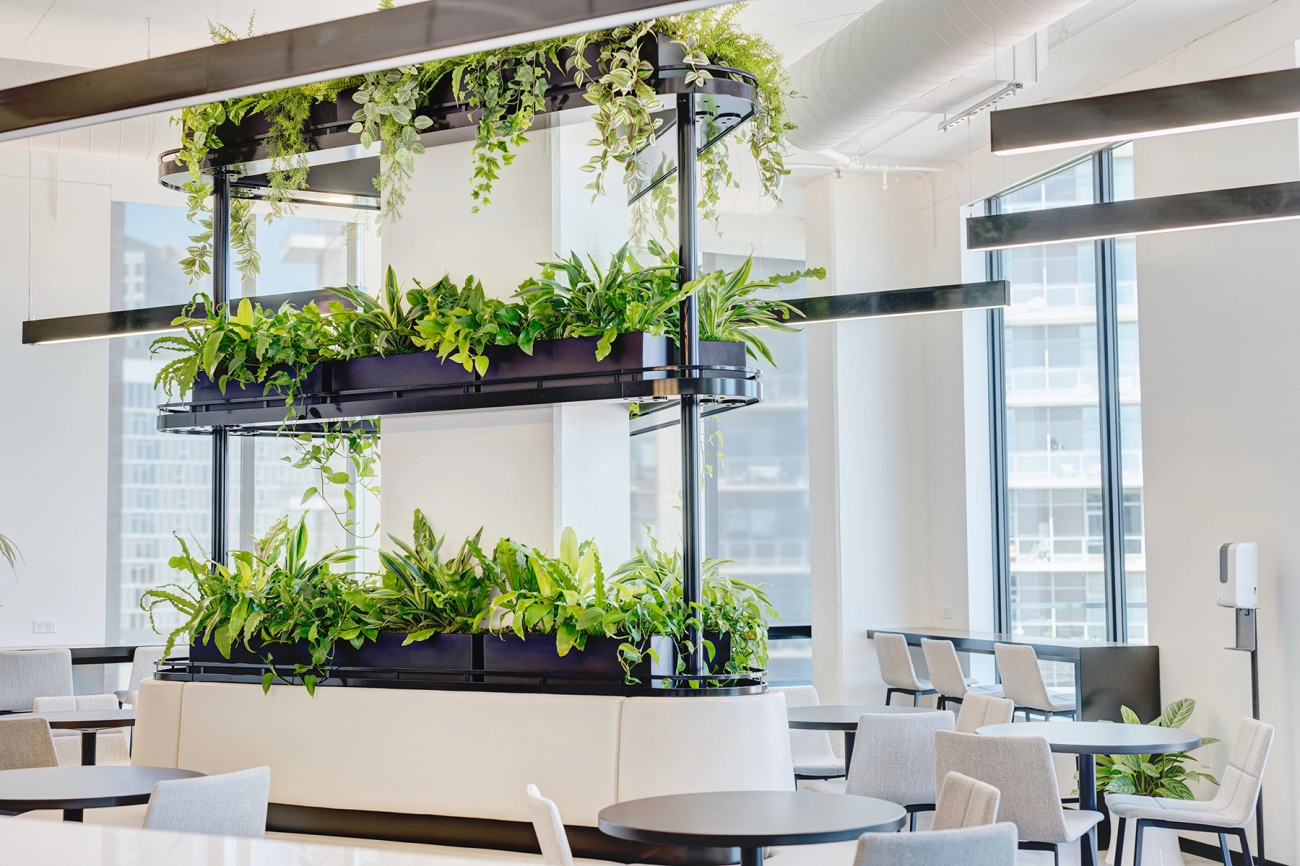
Living in a small apartment doesn’t mean you can’t have the best indoor plants for a fresh, natural home. You just need smart styling and compact, low maintenance indoor plants that won’t turn your place into a cluttered jungle.
Vertical Plant Styling & Hanging Options
To get that indoor jungle style decor without losing floor space, I go vertical:
- Wall shelves & picture ledges for trailing indoor plants like pothos, philodendron, and spider plant
- Ceiling hooks for hanging indoor plants over a sofa, desk, or dining nook
- Over-the-sink or window rods with S-hooks for small hanging pots (perfect for herbs and low light indoor plants)
- Tall, narrow plant stands to stack 2–3 pots in one footprint
This keeps fresh greenery for home decor at eye level while floors stay open and easy to clean.
Compact Plants That Stay Tidy
For small apartments and studios, stick with indoor plants that stay compact and don’t sprawl:
- Snake plant (short varieties): upright, sculptural foliage, great for corners
- ZZ plant: slow-growing, super low maintenance, ideal for busy people
- Aloe vera: sculptural and functional, great for sunny desks and sills
- Chinese evergreen: compact, colorful foliage for low light spaces
- Small peace lily or mini monstera if you want a softer, more natural vibe in your living room
These are some of the best low maintenance indoor plants that look modern and don’t eat your square footage.
Using Window Sills, Carts, and Narrow Spaces
In most U.S. apartments, the best “real estate” for indoor plants is:
- Window sills – line with small pots (herbs in the kitchen, succulents or aloe in bright windows, low light plants a bit pulled back)
- Rolling plant carts – park near a window by day, roll out of the way when you need space
- Narrow console tables or shoe racks in entryways – perfect for snake plant, pothos, or a compact areca palm
- Top of the fridge or cabinets – great for trailing pothos or philodendron in kitchens
This setup makes it easy to keep indoor plants for small apartments healthy while still living comfortably.
How to Avoid a Cramped, Cluttered Look
To keep things clean and intentional instead of “messy jungle”:
- Pick a color palette for pots – for example, all white, tan, or black for a minimalist indoor plant decor vibe
- Limit plant types per room – 2–3 main species repeated looks more curated and less chaotic
- Mix heights smartly – one tall plant, one medium, one trailing in a corner is enough
- Leave negative space – every shelf doesn’t need a plant; skip a spot so the eye can rest
- Choose quality over quantity – 5 healthy, well-placed houseplants beat 20 random pots everywhere
Done right, even a tiny urban apartment can feel airy, natural, and calm with just a few of the best indoor plants for home.
Beginner Friendly Indoor Plant Starter Kit
If you’re starting from zero, here’s the exact indoor plant starter kit I’d build for a fresh, natural home without a ton of work.
Core starter plants from this guide
Pick 3–5 of these beginner friendly houseplants to start:
- Snake plant – low maintenance, great air purifying houseplant, perfect for bedroom or living room
- Pothos – easy trailing indoor plant for shelves, handles low light in apartments
- Spider plant – pet friendlier than most, great hanging plant, helps freshen indoor air
- ZZ plant – one of the best low maintenance indoor plants for busy people and low light
- Peace lily – clean, fresh look; tells you when it needs water by drooping
This mix works well for most U.S. homes: a couple in brighter windows, a couple in lower light corners.
Basic tools and supplies you actually need
Skip the fancy stuff. For houseplant care for beginners, this is enough:
- Pots with drainage holes (no drainage = root rot risk)
- Lightweight indoor potting mix (not garden soil)
- Watering can with a narrow spout
- Moisture meter or your finger to test soil (1–2 inches down)
- Fertilizer labeled for indoor plants (slow-release or liquid)
- Tray or saucers to protect furniture and floors
That’s it. This covers 90% of indoor plant troubleshooting you’ll ever need early on.
A simple weekly care routine
Use this basic indoor plant watering guide and check-in schedule:
Once a week:
- Check each plant’s soil:
- Water when the top 1–2 inches are dry (most plants)
- Snake plant and ZZ plant: let soil dry almost completely
- Dump any extra water from saucers after 10–15 minutes
- Wipe dust off leaves with a damp cloth
- Quick light check:
- Pale, stretched leaves = needs more light
- Crispy, bleached spots = too much direct sun
Once a month:
- Light feed with indoor plant fertilizer (spring–early fall)
- Rotate pots a quarter turn so they grow evenly toward the light
When to add more plants to your collection
Don’t rush the “indoor jungle” look. In a U.S. apartment or home, I’d do this:
- Wait 4–6 weeks – if your first plants look stable (no major yellowing, drooping, or pests), you’re ready to add 1–2 more
- Add new plants room by room:
- Living room: add a statement indoor plant like a small monstera or rubber plant
- Bedroom: one more low light indoor plant or air purifying plant
- Cap it at the number you can check in once a week without skipping
- If you’re forgetting to water or move plants for light, pause buying and dial in your routine first
Build slow, keep it simple, and you’ll end up with a clean, natural-looking space, not a stressed-out, overwatered jungle.
FAQ: Indoor Plants for a Fresh and Natural Home
Best indoor plant for air purification
If I had to pick one, I’d go with snake plant for air purification. It’s tough, low maintenance, and fits almost any room. Other strong air purifying houseplants:
- Peace lily (needs a bit more care)
- Spider plant
- Areca palm
Just remember: plants help, but they don’t replace good ventilation or an air purifier.
Safest indoor plants for pets and kids
If you’ve got cats, dogs, or little kids, stick with non toxic indoor plants like:
- Spider plant
- Parlor palm / Areca palm
- Boston fern
- Calathea
- Peperomia
Always double-check on ASPCA’s plant list before buying. If a plant is toxic, keep it high, out of reach, or skip it.
How often to water common houseplants
I don’t follow a strict calendar. I follow the soil:
- Most low maintenance indoor plants: about every 7–14 days
- Succulents / cactus / snake plant / ZZ plant: every 2–4 weeks
- Thirstier plants (ferns, peace lily): about 1–2 times a week
Rule I live by: check the top 1–2 inches of soil. If it’s dry, water. If it’s still damp, wait.
How long indoor plants can live indoors
With decent care, most houseplants can live for years, many for 5–20+ years.
- Snake plant, rubber plant, philodendron: can last decades
- Ferns and peace lilies: often several years with consistent humidity and watering
Their lifespan indoors mostly depends on light, watering habits, and repotting when they’re root-bound.
Can indoor plants really change how a room feels?
Yes, completely. A few best indoor plants for home can:
- Make a space feel fresher, softer, and more natural
- Cut that “all plastic and screens” vibe
- Boost mood and focus (biophilic design is a real thing, not just a trend)
Even one statement plant (like a monstera or rubber plant) can change the whole energy of a living room.
How to know when a plant needs more or less light
Needs more light:
- New leaves are small or pale
- Stems are stretching and leaning toward the window
- Growth is slow or stalled
Needs less light / is getting burned:
- Brown, crispy leaf edges or spots on the side facing the window
- Faded or bleached-looking leaves
- Plant wilts fast even though the soil isn’t dry
If something looks off, I usually move the plant closer or farther from the window in small steps and watch it for a week.