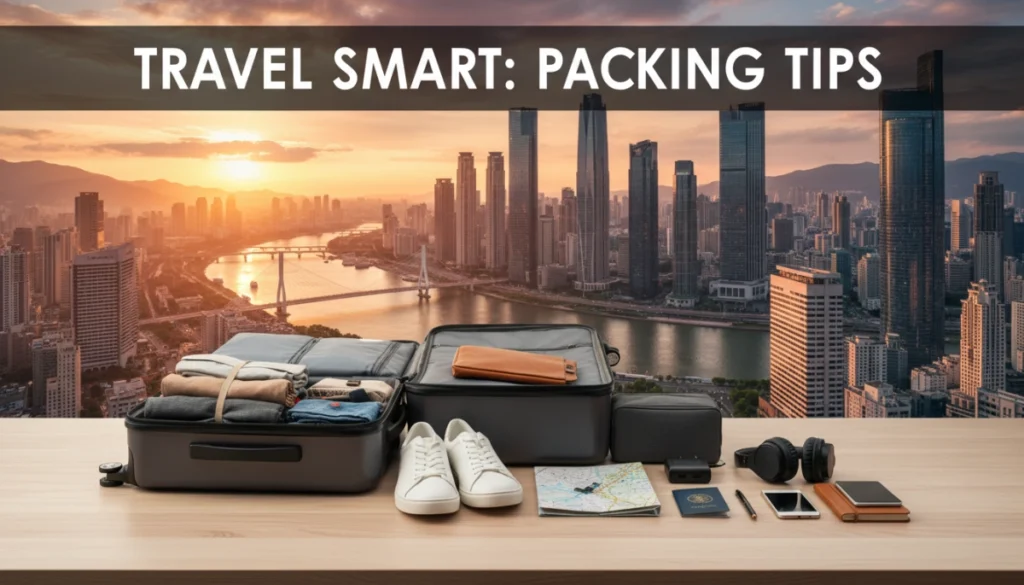
You’ve probably searched “travel packing tips” after one too many trips that started with a chaotic suitcase, an overweight bag fee, or realizing your charger is still on the kitchen counter.
We get it.
The good news? Packing doesn’t have to be stressful, heavy, or last-minute ever again.
In this guide, we’ll show you how to:
- Build a smart travel packing list that actually fits your trip
- Use simple packing hacks (like packing cubes, roll vs fold clothes, and overpacking solutions) to stay organized
- Go from “I need options” to confident packing light, carry-on packing, and even one bag travel
- Create a minimalist, mix-and-match setup for any trip—international travel, weekend getaways, or longer adventures
At lalulu, we’re obsessed with turning suitcase chaos into calm, practical systems. If you want stress-free packing, a lighter bag, and more energy for your actual vacation, you’re in the right place.
Let’s start packing smarter—so you can start traveling better.
Why Packing Light Wins Every Time
You don’t hate travel. You hate dragging a heavy suitcase, digging for stuff you “might need,” and paying surprise baggage fees at the airport. That’s why packing light isn’t a cute idea—it’s the foundation of stress-free travel.
The Real Downsides of Overpacking
Overpacking feels safe, but it quietly ruins your trip:
| Problem | How It Actually Hits You |
|---|---|
| Baggage fees | Extra charges for checked bags and overweight luggage |
| Physical hassle | Hauling, lifting, and guarding heavy bags everywhere |
| Slower movement | Harder to use public transit, stairs, or walk longer blocks |
| Decision fatigue | Too many outfit choices = more time staring at your bag |
| More to lose | Extra items = more chances to forget or misplace things |
Every “just in case” item steals space, time, and energy you could use enjoying your trip.
Benefits of Minimalist, One-Bag Travel
Packing light is not about suffering; it’s about freedom. With minimalist travel packing and one bag travel, you:
- Move faster through airports (often skip check-in and baggage claim)
- Keep everything within reach in one carry-on or backpack
- Make getting ready each day quick and painless
- Stress less about lost luggage
- Feel physically lighter and more relaxed
You’re not lowering your standards—you’re raising your freedom.
Shift from “Options” to “Versatility”
The mindset shift is simple:
- Old mindset: “I need options for every possible scenario.”
- New mindset: “I need versatile pieces that work in many scenarios.”
Ask yourself for each item:
- Can I wear/use this at least 2–3 times on this trip?
- Does it work with at least 2 other items I’m packing?
- If I lost it, would the trip fall apart? If not, it’s not essential.
Simple Rules to Avoid Overpacking
Use these packing light rules so you don’t rely on willpower:
| Rule | What It Means |
|---|---|
| 3-Outfit Rule | Pack 3 main outfits you can remix, not 7 totally separate looks |
| 2-Shoe Rule | Wear 1 pair, pack 1 pair (max 2 total) |
| 20/20 Rule | If you can buy it for under $20 in under 20 minutes, leave it |
| Wear Your Bulkiest | Wear your heaviest shoes and outer layer on travel days |
When in doubt, remove 1–2 items you’re “not sure about.” You’ll almost never miss them.
Packing light isn’t a flex—it’s a practical travel packing tip that makes every step of your trip easier.
Build your custom packing strategy
Match packing to your trip type
Your travel packing list should change based on where you’re going, not “just in case.” I keep it simple:
- City trips:
- Dark jeans or chinos, casual sneakers, 1 nicer pair of shoes
- Neutral tops that work day-to-night
- Light jacket or blazer you can dress up or down
- Beach vacations:
- 2–3 swimsuits you can rotate
- One cover-up that doubles as a casual dress
- Sandals + one pair of sneakers for walking
- Lightweight layers for breezy nights
- Business travel:
- One capsule wardrobe for work: 2–3 tops, 2 bottoms, 1 blazer
- One pair of dress shoes that match all outfits
- Simple, non-wrinkly fabrics
- Adventure trips:
- Quick-dry shirts, shorts, and socks
- Packable rain jacket
- Trail shoes or hiking boots plus one casual pair
This is how I avoid overpacking while still feeling prepared.
Adjust for trip length (without extra bulk)
I don’t pack “one outfit per day.” I pack laundry-friendly pieces and repeat:
- Weekend trip: 1–2 bottoms, 2–3 tops, 1 outer layer
- 4–7 days: 2–3 bottoms, 4–5 tops, 1–2 dresses/one-pieces, 1–2 outer layers
- 8+ days: Same as a 1-week trip + plan to do laundry once
More days doesn’t mean more bulky extras. It means smarter rotation.
Check weather and local norms first
Before anything goes in my suitcase, I check:
- Weather apps (high/low temps, rain, wind)
- Local norms (churches, temples, business culture, nightlife dress codes)
This keeps me from packing pointless layers or outfits I’ll never wear.
Capsule wardrobe for travel packing
A capsule wardrobe for travel is my go-to minimalist travel packing trick:
- Choose 1–2 main colors + 1 neutral (black, navy, tan, white)
- Every top matches every bottom
- Limit patterns so mix-and-match stays easy
- Add 1–2 statement pieces (scarf, shirt, or dress) for variety
This makes one bag travel and carry-on only packing actually realistic.
Plan outfits around shoes and outer layers
Shoes and jackets are bulky, so I plan outfits around them first:
- Pick 2–3 pairs of shoes max:
- Walkable pair (sneakers or flats)
- Dressier pair (loafers, heels, or nicer flats)
- Optional activity shoe (hiking, beach sandals)
- Choose 1–2 outer layers that match everything:
- Denim jacket, blazer, or lightweight puffer depending on season
Once shoes and outer layers are locked, I build the rest of my travel packing list so everything works with those anchors. This keeps my suitcase organized, my outfits easy, and my packing light.
Create a Smart Travel Packing List
A smart travel packing list saves time, cuts stress, and keeps you from overpacking. I use one core list for every trip and tweak it for the destination, season, and trip type. Build it once, reuse it forever.
Core Travel Packing List You Reuse Every Trip
Create a master list in Notes, Google Docs, or a printable checklist and duplicate it for each trip.
Break it into simple categories:
- Clothing & shoes
- Toiletries & health
- Electronics & chargers
- Documents & money
- Extras / “save the day” items
This becomes your reusable vacation packing checklist and keeps packing light and consistent.
Clothing and Footwear Essentials for Most Trips
Think capsule wardrobe for travel: neutral, mix-and-match, and layered.
For a typical 3–7 day trip (adjust quantities, not categories):
- Tops: 3–5 neutral shirts/tees, 1 nicer top
- Bottoms: 2–3 total (jeans/chinos/shorts), all go with every top
- Layers: 1 light jacket or cardigan, 1 hoodie or sweater (seasonal)
- Underwear & socks: 4–7 pairs (quick-dry if you’ll wash)
- Sleepwear: 1 set
- Workout / lounge: 1 set if you’ll actually use it
- Shoes:
- 1 pair comfortable walking shoes (non‑negotiable)
- 1 pair “upgrade” shoes (flats/loafers/sandals depending on trip)
- Swimwear: 1 swimsuit if there’s any chance of a pool or beach
I plan outfits around shoes and outer layers first, then fill in the rest. This is key for minimalist travel packing and one bag travel.
Toiletries, Health, and Personal Care Must-Haves
Keep a small travel toiletries kit always ready so you’re not starting from zero each time.
Toiletries basics:
- Travel-size toothbrush, toothpaste, floss
- Travel-size face wash, moisturizer, SPF
- Deodorant (solid if you’re doing carry-on only)
- Razor + small shaving cream or multi-use soap
- Comb/brush, hair ties, travel-size hair product
- Minimal makeup + remover wipes or mini cleanser
Health / personal care:
- Daily meds (plus 2–3 extra days), in original labeled containers
- Basic pain reliever, allergy meds, anti-diarrheal
- A few bandages + blister pads
- Hand sanitizer, lip balm, tissues
- Travel-size disinfecting wipes (plane, hotel surfaces)
This keeps things lean but covers almost everything you’ll realistically need.
Electronics, Chargers, and Important Travel Documents
This is where most people forget something important. I keep these in my personal item, not my checked bag.
Electronics:
- Phone + charging cable
- Small power bank
- Headphones/earbuds
- Laptop or tablet (only if you’ll truly use it)
- Universal power adapter for international travel packing
Documents & money:
- Passport (if needed) + a photo of it saved digitally
- Driver’s license / ID
- Credit/debit cards + some cash (including small bills)
- Boarding passes (digital + paper backup if you like)
- Hotel / rental car confirmations
- Insurance info (health + travel, if you have it)
These are your essential travel items—they don’t leave your sight.
Extras That Save Trips
These small things don’t take much space but solve big problems.
- Snacks: protein bars, nuts, dried fruit (especially for US airport delays)
- Small first aid kit: bandages, alcohol wipes, mini antibiotic ointment
- Small tools:
- Compact multi-tool (checked bag only) or mini scissors
- Luggage lock
- Foldable tote bag (for groceries or overflow)
- Laundry helpers: a few detergent sheets or travel packets, sink stopper, travel clothesline if you’re gone longer
These are your overpacking solutions: tiny items that prevent buying overpriced stuff on the road.
Tweak Your Packing List for Seasons and Destinations
Use your core travel packing list and tweak, don’t rebuild.
Cold weather:
- Swap: fewer tops, more layers
- Add: hat, gloves, scarf, thermal base layer
- Choose: one warm, packable coat instead of multiple jackets
Hot weather / beach vacation packing list:
- Add: extra lightweight tees/tanks, second swimsuit, cover-up
- Add: sun hat, sunglasses, reef-safe sunscreen, flip-flops
- Choose: breathable fabrics, quick-dry shorts
Business travel packing:
- Add: 1–2 work outfits that mix and match
- Neutral blazer that works with multiple outfits
- Polished shoes that you can still walk in
International travel packing:
- Add: plug adapter, offline maps/apps downloaded
- Consider local dress norms (shoulders/knees covered, etc.)
You’re adjusting the edge items, not the whole system.
Turn It Into a Simple Vacation Packing Checklist
Once your core is set, make it brainless:
- Turn categories into checklist boxes (use Notes, Notion, Google Keep, or a printable)
- Save different versions: “Weekend Trip Packing List,” “Beach Trip,” “Business Trip”
- Use the same order every time so you pack fast and spot gaps
The goal is a repeatable, stress-free packing system: same structure, small tweaks. No more starting from scratch and no more stuffing random “just in case” items into your suitcase at the last minute.
Choose the right luggage and gear
Picking the right luggage is half of stress-free packing. I treat my bags like tools: if they work, travel is easy; if they don’t, everything feels harder.
Carry-on only vs checked luggage
I use this simple rule:
Go carry-on only when:
- Trip is 1–10 days
- You don’t need bulky gear (ski, dive, filming)
- You can do minimalist travel packing and laundry
- You want to avoid lost bags and baggage fees
Go checked bag when:
- You’re packing for 2+ people in one bag (family travel)
- You need special gear (adventure travel, events)
- You’re bringing liquids over TSA limits
- You’re okay with waiting at baggage claim
| Trip Type | My Pick |
|---|---|
| Weekend trip | Carry-on only |
| 1-week city or beach trip | Carry-on + personal item |
| Business travel (short) | Carry-on only |
| Long international travel | Carry-on + 1 checked |
| Adventure / camping / winter | Usually checked |
Best suitcase and backpack features
For easy travel organization, I look for:
Carry-on suitcase (hard or soft sided):
- 20–22″ size (fits US overhead bins)
- 4 spinner wheels that roll smoothly
- Compression straps inside
- One large main compartment (not over-segmented)
- Durable zippers + lockable zippers
Travel backpack (for one-bag travel):
- 30–40L size
- Full clamshell opening (opens like a suitcase)
- Padded laptop sleeve
- Hip belt + sternum strap (if you’ll walk a lot)
- Grab handles on top and side
How to pick the right personal item
Your personal item is prime real estate. I treat it like a mobile office + survival kit.
Good options:
- Slim backpack
- Soft tote with zipper
- Underseat roller (if it truly fits under the seat)
Look for:
- Dedicated laptop/tablet sleeve
- Front pocket for passport, phone, boarding pass
- Interior pockets for chargers, pens, small items
- Trolley sleeve to slide over suitcase handle
What I keep in my personal item:
- Passport, wallet, boarding passes
- Phone, chargers, power bank, AirPods
- Meds, snacks, refillable water bottle (empty through security)
- Light layer (hoodie, scarf)
- “Just in case” kit: toothbrush, mini deodorant, lip balm, eye mask
Must-have organizers (packing cubes, compression bags, shoe bags)
Organizers are the secret weapon of every smart travel packing list.
Packing cubes (non-compression):
- Best for suitcase organization ideas
- Separate clothes by category: tops / bottoms / underwear
- Make it easy to unpack and repack fast
Compression cubes:
- Good for bulky but soft items (sweaters, hoodies)
- Use for winter trips or longer travel
- Don’t overstuff (wrinkles + heavy bag)
Shoe bags:
- Keep dirt off clothes
- Use for shoes, sandals, or even laundry
Ziploc / small pouches:
- Cords and chargers
- First aid + meds
- Small toiletries (if not in a dedicated kit)
Travel organization tips to keep everything easy to find
I organize my bag by zones, not random stuffing:
- Top / quick access: jacket, toiletries (if needed for security), snacks
- Middle: clothes in packing cubes
- Bottom: heavier items like shoes
- Outside pockets: umbrella, wipes, hand sanitizer
- Personal item: all valuables + essentials
Simple rules:
- Same type of item always goes in the same spot
- Never bury your essential travel items deep in the suitcase
- Use different color cubes or labels for quick ID
Space-saving gear that actually helps (and what to skip)
Helpful space-savers:
- Compression packing cubes (for bulky clothes)
- Collapsible tote bag for extra shopping or beach days
- Thin, quick-dry travel towel (for hostels, camping, beach trips)
- Flat, foldable water bottle
Stuff I usually skip:
- “Travel-sized” gimmick gadgets you never use
- Heavy toiletry bags with built-in hangers if you pack light
- Too many separate organizers (they eat space and add weight)
Bottom line:
Invest once in a solid carry-on suitcase, a smart personal item, and a few packing cubes. That combo, plus a tight vacation packing checklist, is what makes packing light and carry-on only packing actually doable.
Proven packing techniques and hacks
How to pack a suitcase step by step
Here’s the simple, no-drama way I pack a suitcase for stress-free travel:
-
Start with a flat base
- Lay shoes, toiletry bag, and any heavy items at the bottom near the wheels.
- Keep weight low so your suitcase stands up and is easier to roll.
-
Layer in packing cubes
- Use packing cubes (tops in one, bottoms in another, underwear/socks in a small one).
- Put bulkier cubes at the bottom, lighter ones on top.
-
Fill gaps and dead space
- Slide smaller items (belts, chargers in a pouch, scarves) into corners and edges.
- Stuff anything soft into open spaces so nothing shifts around.
-
Add “last to use” items on top
- Sleepwear, one change of clothes, light jacket, or a foldable tote go last so they’re easy to grab.
-
Side pocket strategy
- Exterior pockets: flip-flops, umbrella, lightweight shopping bag.
- Interior mesh pocket: travel packing list, documents copies, flat items.
This approach works for carry-on packing and checked bags, and keeps your stuff organized when TSA or security opens your suitcase.
Roll vs fold clothes: when each method works best
Both work; I use both depending on the item and the trip:
-
Roll clothes when:
- You’re tight on space in a carry-on only setup.
- You’re packing t-shirts, casual tops, leggings, gym clothes, shorts, pajamas.
- You want quick visibility in your packing cubes.
-
Fold clothes when:
- You need to keep structure: blazers, button-downs, chinos, dress pants, nice dresses.
- You care more about fewer wrinkles than squeezing every inch of space.
-
Hybrid method (what I actually do):
- Roll all casual/knit items into cubes (tops in one cube, bottoms in another).
- Fold structured items flat and lay them on top or use the bundling technique below.
Using packing cubes to organize outfits and categories
Packing cubes are the easiest travel organization win. I treat them like drawers:
-
By category:
- Cube 1: Tops
- Cube 2: Bottoms
- Cube 3: Underwear/socks/sleepwear
- Cube 4 (small): Workout gear / swimwear
-
By outfit:
- For short trips, I pack one cube = 2–3 complete outfits (top + bottom + underwear).
- Makes getting dressed fast and cuts decision fatigue.
-
By person (for family travel):
- Each kid or adult gets a different color cube.
- Makes shared suitcases way less chaotic.
Tip: Don’t overstuff cubes. They’re for organization first, compression second. Overpacking cubes leads to a suitcase that won’t close.
Bundling technique for fewer wrinkles
If I’ve got business travel packing or nicer clothes, I use a simple bundle:
- Lay a jacket or blazer flat on the bed.
- Place shirts or dresses on top, alternating directions (collars at opposite ends).
- Add pants folded in half on top of that stack.
- Put a small “core” in the middle (like a packing cube with underwear).
- Wrap each layer gently around the core, one by one.
Result: a compact clothing bundle with fewer deep folds and less wrinkling than tight rolling or sharp folding. I slide this bundle on top of my cubes in the suitcase.
Smart space savers: filling shoes, using dead space, layering
I don’t bother with gimmicky packing hacks, but these space savers actually work:
-
Fill your shoes
- Stuff socks, belts, chargers in a pouch, or small toiletries bags inside shoes.
- Use shoe bags so clothes don’t touch soles.
-
Use dead space
- Fill corners near the handle tubes with rolled tees or underwear.
- Slide flat items (documents in a folder, slim laptop sleeve) against the lid.
-
Layer instead of bulk
- Pack thin layers: one light sweater + light jacket beats a huge hoodie.
- Choose quick-dry fabrics so you can wash and rewear instead of bringing extras.
-
Wear the bulkiest items
- On travel day: wear the heaviest shoes and outer layer (boots, sneakers, jacket).
- Saves serious space in your suitcase.
Overpacking solutions when your bag is already full
If your suitcase is maxed out, here’s how I course-correct fast:
-
Pull out duplicates
- Remove extra jeans, extra “just in case” shoes, or third hoodie.
- Most US travelers wear the same few pieces on repeat anyway.
-
Swap bulky for compact
- Replace big bottles with travel-size or solid toiletries.
- Swap thick towels with a compact microfiber travel towel (or skip if you’re in hotels).
-
Use compression smartly
- Use compression packing cubes for soft items like tees and underwear.
- Don’t compress structured clothes (they’ll wrinkle badly).
-
Shift strategy
- Move heavy non-essentials to a checked bag if needed, but keep essential travel items (meds, documents, one change of clothes) in your carry-on.
-
Be ruthless with your travel packing list
- Ask: “Will I definitely use this more than once?” If not, it stays home.
Dialing in these proven packing techniques makes packing light, one bag travel, and stress-free packing way more realistic—even if you’ve always been an overpacker.
Toiletries and liquids without the mess
TSA liquid rules + international basics
If you’re in the U.S., TSA’s 3-1-1 rule still runs the show for carry-on packing tips:
- Liquids, gels, creams, pastes, aerosols: max 3.4 oz (100 ml) each
- All must fit in one clear quart-size bag
- One bag per person in your personal item or carry-on
Outside the U.S., most airports follow the same 100 ml rule, but some are stricter on:
- Non-clear toiletry bags
- Oversized containers that are half-full (they usually still get tossed)
When in doubt, keep anything “liquid-ish” under 3.4 oz and visible.
Build a lean travel toiletry kit
I keep my travel packing list for toiletries the same for almost every trip:
Essentials only:
- Face: small cleanser, moisturizer with SPF
- Teeth: travel toothbrush, travel toothpaste, floss
- Body: small body wash or bar soap, deodorant
- Hair: mini shampoo/conditioner or bar, small styling product
- Basics: razor with cover, small comb/brush
- Health: meds, pain reliever, bandages, a few wipes
Rule: if the hotel or Airbnb normally has it (body wash, lotion, hair dryer), I don’t pack it unless I really care about the brand.
Decanting into travel-size containers
Instead of buying endless travel minis, I just refill my own:
- Use 2–3 oz leak-proof bottles for shampoo, conditioner, and body wash
- Contact lens cases for thick stuff (eye cream, face moisturizer)
- Tiny jars for serums, hair pomade, or sunscreen touch-ups
- Label everything with tape + marker so you’re not guessing in the bathroom
Tip: A week-long trip rarely needs more than 1–1.5 oz of any product. Don’t overfill.
Solid alternatives to cut liquid clutter
Solid products are a cheat code for minimalist travel packing and getting through TSA faster:
- Shampoo bars & conditioner bars
- Bar soap instead of body wash
- Solid deodorant
- Solid perfume or perfume stick
- Solid cleansing balm for face wash/makeup removal
These don’t count as liquids, so they free up space in your quart-size bag and are easier for carry-on only packing.
How to stop leaks in your bag
Liquid explosions are what ruin a stress-free packing setup. I use a few simple packing hacks:
- Tape the caps (masking or painter’s tape) on anything that twists
- Use the “plastic wrap trick”:
- Unscrew cap → place a small piece of plastic wrap over the opening → screw cap back on
- Pack all liquids in a sealed waterproof pouch or zip-top bag
- Always store liquids upright in your suitcase or packing cubes when possible
- Skip old, flimsy bottles – use silicone, screw-top travel bottles only
Split toiletries: carry-on vs checked luggage
For smart travel organization:
Always in carry-on / personal item:
- Daily meds and prescriptions
- Contact lenses, glasses
- Toothbrush + travel toothpaste
- Mini face wash or wipes
- Lip balm, small hand cream
- One-day backup kit (if your bag is delayed)
Better in checked luggage (if you have it):
- Full-size or extra liquid refills
- Aerosols (hair spray, big sunscreen cans)
- Anything over 3.4 oz
If I’m going carry-on only, all liquids live in:
- One quart-size TSA bag (pulled out at security)
- One dry pouch for solid items (bar soap, razor, toothbrush, etc.)
This setup keeps my travel toiletries kit lean, leak-free, and easy to grab on every trip.
Carry-on packing tips and personal item setup
How to pack only a carry-on for short trips
For most 2–5 day trips, carry-on only is enough if you stay strict:
- Pick one main color palette (black/gray/navy or tan/white/olive) so everything mixes.
- Limit shoes to 2 pairs: 1 on your feet (comfy), 1 in your bag (dressy or sport).
- Use packing cubes to separate: tops, bottoms, underwear/sleepwear.
- Wear your bulkiest items (sneakers, jeans, hoodie or light jacket) on the plane.
- Stick to multipurpose items:
- Lightweight jacket that works for day and night
- Dress that can be casual or dressed up
- Workout shorts that double as sleep shorts
This is the core of minimalist travel packing, one bag travel, and stress-free carry-on packing.
What must always go in your carry-on vs checked bag
Use this as your quick travel packing list rule:
Always in your carry-on / personal item:
- Passport/ID, wallet, cash, and cards
- Phone, laptop/tablet, and main chargers
- Medications and key health items
- One full change of clothes and underwear
- Essential toiletries that fit TSA liquid rules (toothbrush, travel-size toothpaste, contacts, etc.)
- High-value items: jewelry, camera, hard drives, important documents
Okay to put in checked luggage:
- Bulk toiletries over 3.4 oz
- Extra shoes and clothes
- Non-essential backup gear
- Souvenirs, bulk snacks, non-valuable items
If you can’t afford to lose it or live without it for 48 hours, it stays with you, not in checked.
Setting up your personal item for easy access
Your personal item (backpack or tote) should be your mobile command center:
Pick the right bag:
- Fits under the seat (airline rules-friendly)
- Has a laptop sleeve and a few zip pockets
- Opens wide so you’re not digging for stuff
Front or top pocket (quick access in transit):
- Passport/ID and boarding pass
- Phone, AirPods/headphones
- Lip balm, hand sanitizer, tissues
- Pen and a small notepad
Main compartment (organized):
- Laptop/tablet in padded sleeve
- Small tech pouch: chargers, cables, power bank, adapters
- Snacks and empty water bottle (fill after security)
- “Just in case” kit (more on this below)
Think: everything you’ll touch at the airport, on the plane, and at your seat should be reachable without unpacking half your bag.
Packing a small “just in case” kit
This is your mini emergency kit that lives in your personal item:
- Health & comfort:
- Pain reliever, allergy meds, motion sickness meds
- Bandaids, blister patches
- Travel-size tissues, hand wipes
- Clothing backup:
- Fresh underwear
- One extra T-shirt or top
- Foldable packable tote or small nylon bag
- Tech essentials:
- Phone charger + short cable
- Power bank
- Universal adapter for international travel
- Other useful extras:
- Small snack (nuts, granola bar)
- Tiny stain remover wipe
- Travel-size deodorant
This kit saves you if your luggage is delayed, your flight is canceled, or you spill coffee on yourself mid-trip.
Protecting valuables, documents, and electronics
I always treat security as part of my travel packing tips:
- Use a slim document holder for:
- Passport, ID, boarding passes
- Credit cards and a bit of emergency cash
- Copies of reservations and key addresses
- Digitize everything:
- Screenshot boarding passes and bookings
- Store copies of ID, passport, and cards in secure cloud storage
- Protect electronics:
- Padded sleeves for laptop/tablet
- Keep all tech in your personal item, not overhead if possible
- Don’t leave electronics loose in seat pockets
For extra peace of mind, use AirTags/Tile in your carry-on and personal item so you always know where they are. This simple setup keeps your essentials safe, easy to reach, and ready the second you land.
Packing for different types of trips
Weekend getaway & short city breaks
For a quick weekend trip, I always treat it like a “carry-on only” drill. You don’t need much.
Weekend trip packing list:
- 1 small carry-on + personal item
- 2–3 tops, 1–2 bottoms that all mix and match (capsule wardrobe mindset)
- 1 pair of versatile shoes (white sneakers or flats)
- Light jacket or hoodie you can wear on the plane
- Mini travel toiletries kit in a TSA-friendly bag
- Essentials: chargers, wallet, ID, meds, minimal makeup
Stick to neutrals + 1 accent color so every outfit works. If you’re only gone 2–3 nights, you don’t need “backup” outfits; you need versatile pieces.
Beach vacation packing tips & swimwear strategy
For beach trips, don’t overpack clothes—you’ll live in swimwear and cover-ups.
Beach vacation packing list basics:
- 2–3 swimsuits you actually like (mix tops and bottoms if possible)
- 2 cover-ups that double as dresses
- 1 pair of sandals + 1 casual shoe (sneakers or slides)
- Lightweight shorts, tanks, 1 breezy dress
- Sun protection: hat, sunglasses, reef-safe sunscreen, SPF lip balm
- Waterproof pouch for phone and cash
I like a “swimsuit rotation”: one drying, one wearing, one clean. It keeps packing light and still feels fresh.
Business travel packing & work outfits
Business travel is where minimalist travel packing really shines. Your goal: sharp, repeatable outfits that don’t wrinkle and don’t take up space.
Business travel packing tips:
- Base colors: black, navy, or gray so everything matches
- 2–3 tops + 1–2 bottoms that create 4–6 outfits
- 1 blazer or structured layer you can wear on the plane
- 1 pair of dress shoes that are actually walkable
- Carry-on packing only if possible (no lost suits)
- Tech & essentials: laptop, chargers, business cards, printed copies of key docs
I plan business outfits around shoes and jacket first, then plug in tops and accessories to keep it streamlined.
International travel packing (adapters, money, cultural dress)
International travel packing is less about “more stuff” and more about smart choices.
International travel packing essentials:
- Universal travel adapter + USB-C/USB-A ports
- Backup credit card + small amount of local currency
- Photocopies or digital copies of passport and ID
- Respectful clothing: shoulders/knees covered where needed, one modest outfit for religious sites
- Comfort items for long flights: neck pillow, eye mask, earplugs
- Basic meds (pain reliever, stomach meds, prescriptions)
Always check local weather and cultural norms before you pack. That’s how you stay comfortable and avoid sticking out in the wrong way.
Adventure & outdoor trips (quick-dry clothes, compact gear)
For adventure and outdoor trips, your keywords are lightweight, quick-dry, and compact.
Adventure travel gear checklist:
- Quick-dry shirts, underwear, and socks
- 1–2 hiking pants/shorts that move well
- Packable rain jacket or windbreaker
- Layering system: base layer, mid layer, shell
- Lightweight hiking shoes (wear them, don’t pack them)
- Refillable water bottle or hydration bladder
- Small headlamp, basic first-aid kit, travel towel
Skip heavy “just in case” gear. Focus on multi-use items and clothing you can wash and dry overnight.
Family & kid-friendly packing adjustments
Family travel packing is about systems, not more stuff. I treat it like running a small operation.
Family travel packing tips:
- One packing cube per person, color-coded
- Shared toiletries kit instead of one per person
- Outfit per day for kids + 1–2 extra, all pre-rolled in cubes
- Snacks, wipes, meds, and a change of clothes in your personal item
- Small “busy kit” for kids: crayons, small toys, downloaded shows
- Laundry strategy: plan to do a quick wash on longer trips to pack less
For U.S. families, especially flying with kids, carry-on packing tips matter a ton: keep meds, diapers, wipes, snacks, and one full kid outfit in your personal item so delays don’t wreck the day.
Last-minute travel packing tips before you close the suitcase
24–48 hour pre-trip review checklist
In the last 24–48 hours, I run through a quick stress-free packing checklist so I’m not scrambling at the airport:
- Confirm logistics
- Flight time, terminal, and airline app installed
- Hotel / Airbnb address saved offline
- Transportation from the airport (Uber, Lyft, train, or shuttle) planned
- Money + access
- Cards unlocked for international travel
- Some cash on hand (small bills)
- Phone + tech
- Boarding pass downloaded
- Offline maps + key reservations/screenshots saved
- All chargers and power bank packed in carry-on
This simple travel checklist keeps the trip start smooth and helps avoid last-minute panic.
Weeding out “just in case” items
Right before I close the suitcase, I do one ruthless pass to stop overpacking:
- Pull out everything you haven’t worn in the last 3–4 trips (extra jeans, extra dress, extra pair of shoes).
- Ask: “Will I definitely use this once?” If the answer is “maybe,” it stays home.
- Keep only one backup per category for essential travel items:
- 1 extra T-shirt
- 1 extra pair of underwear/socks
- 1 light layer
This is one of the best overpacking solutions: fewer “just in case” items = lighter, easier, more minimalist travel packing.
Weighing your luggage and avoiding baggage fees
In the U.S., baggage fees hit fast if you’re even a little over:
- Use a small luggage scale at home (they’re cheap and worth it).
- Aim to stay 2–4 lbs under your airline’s weight limit so souvenirs don’t push you over on the way back.
- If you’re close to the limit:
- Move heavy items (jeans, jackets, chargers) to your carry-on or personal item.
- Wear your heaviest shoes and outerwear to the airport.
This simple checked vs carry-on luggage strategy saves money and keeps check-in stress-free.
Final check of documents, IDs, and essentials
Before I zip up, I do a quick must-not-forget check. These always go in my carry-on or personal item, never in checked luggage:
- Passport (if international), driver’s license, credit/debit cards
- Phone, chargers, and power bank
- Boarding passes (digital + 1 printed backup if you like)
- Medications (in original containers), glasses/contacts
- Travel documents: hotel details, car rental, important addresses
I keep these in a small organizer or flat pouch at the top of my personal item for easy access during TSA and boarding.
Quick repack tips if you bought too much on the trip back
If you shopped more than planned and your suitcase is suddenly full, here’s how I fix it fast:
- Reorganize with intention
- Put heaviest items at the bottom of the suitcase (near the wheels).
- Use packing cubes or compression bags to tighten clothes.
- Move weight to your personal item
- Put dense items (books, electronics, toiletries) into your backpack/tote.
- Ship or leave items
- In the U.S., USPS/UPS/FedEx can be cheaper than overweight fees for heavy stuff.
- Donate bulky, low-value items you don’t really need.
These simple packing hacks keep your bag closing, your luggage within airline rules, and your travel packing list under control, even on the way home.
Sustainable and intentional packing
Eco-friendly packing choices and reusable items
When I pack now, I aim for sustainable, minimalist travel packing that still works in real life. A few easy wins that make a big difference:
- Skip disposables, go reusable:
- Refillable travel toiletries kit (silicone bottles, metal tins)
- Collapsible water bottle or insulated bottle
- Lightweight tote bag for groceries and shopping
- Reusable cutlery set and straw if you eat on the go a lot
- Choose durable gear, not fast-fashion travel junk:
- A solid carry-on suitcase or travel backpack you’ll use for years
- Neutral, quality capsule wardrobe for travel instead of cheap “vacation-only” outfits
- Pack multiuse items:
- Large scarf: blanket, wrap, pillow
- Packing cubes that double as drawer organizers
- Quick-dry towel: beach, shower, yoga, picnic
How packing light reduces your travel footprint
Packing light isn’t just about comfort; it actually lowers your impact:
- Less weight = slightly less fuel burned per passenger
- You buy fewer “emergency” items because you packed intentionally
- You’re more likely to carry-on only, skipping extra plastic wraps, baggage tags, and carts
My rule: if it doesn’t earn its spot by being used multiple times, it doesn’t go.
Avoiding single-use plastics in your travel routine
You don’t have to be perfect—just swap the biggest offenders:
- Say no to hotel minis when you can:
- Bring your own refilled bottles of shampoo/conditioner/body wash
- Pack reusables where plastic sneaks in:
- Water bottle instead of buying multiple plastic bottles
- Reusable snack bags or small containers instead of zip-top bags
- Keep a small “reusable kit” in your personal item: bottle, tote, utensils
Buying less “travel stuff” and using what you already own
In the U.S., it’s easy to get sucked into buying tons of “travel accessories.” I try to flip that:
- Shop your closet first:
- Use your regular athleisure as travel outfits
- Everyday crossbody bag as your personal item or daypack
- Upgrade only where it really matters:
- One good carry-on suitcase, one solid backpack, quality shoes
- Ask: “Will I use this at home too?”
- If the answer’s no, I usually skip it
Mindful souvenir strategy so your bag still closes
Souvenirs add up fast and turn into overpacking on the way home. Here’s how I keep it under control:
- Set a souvenir rule:
- One useful item you’ll actually use (mug, kitchen item, clothing you’d wear weekly)
- Or small, flat items: postcards, art prints, magnets, jewelry
- Buy consumables:
- Local snacks, coffee, spices, sauces—things you’ll enjoy, then they’re gone
- Use a souvenir budget + space budget:
- I leave a small area in my suitcase or one packing cube half-empty on the way out
- Skip heavy decor and random trinkets:
- If it’s hard to pack or fragile, I usually let it go
Sustainable, intentional packing comes down to this: pack light, pack reusable, and pack what you’ll truly use—not what the ads say you “need.”